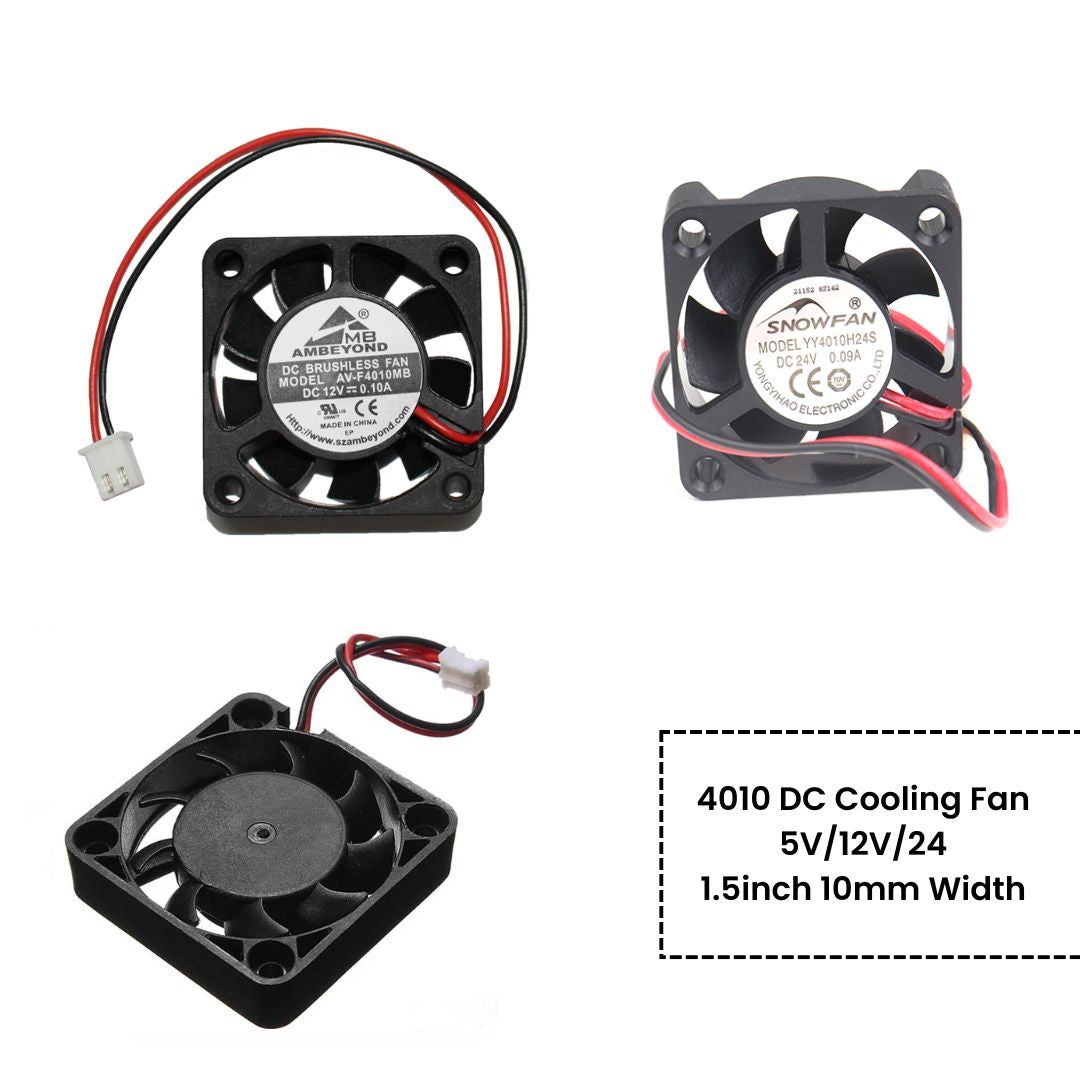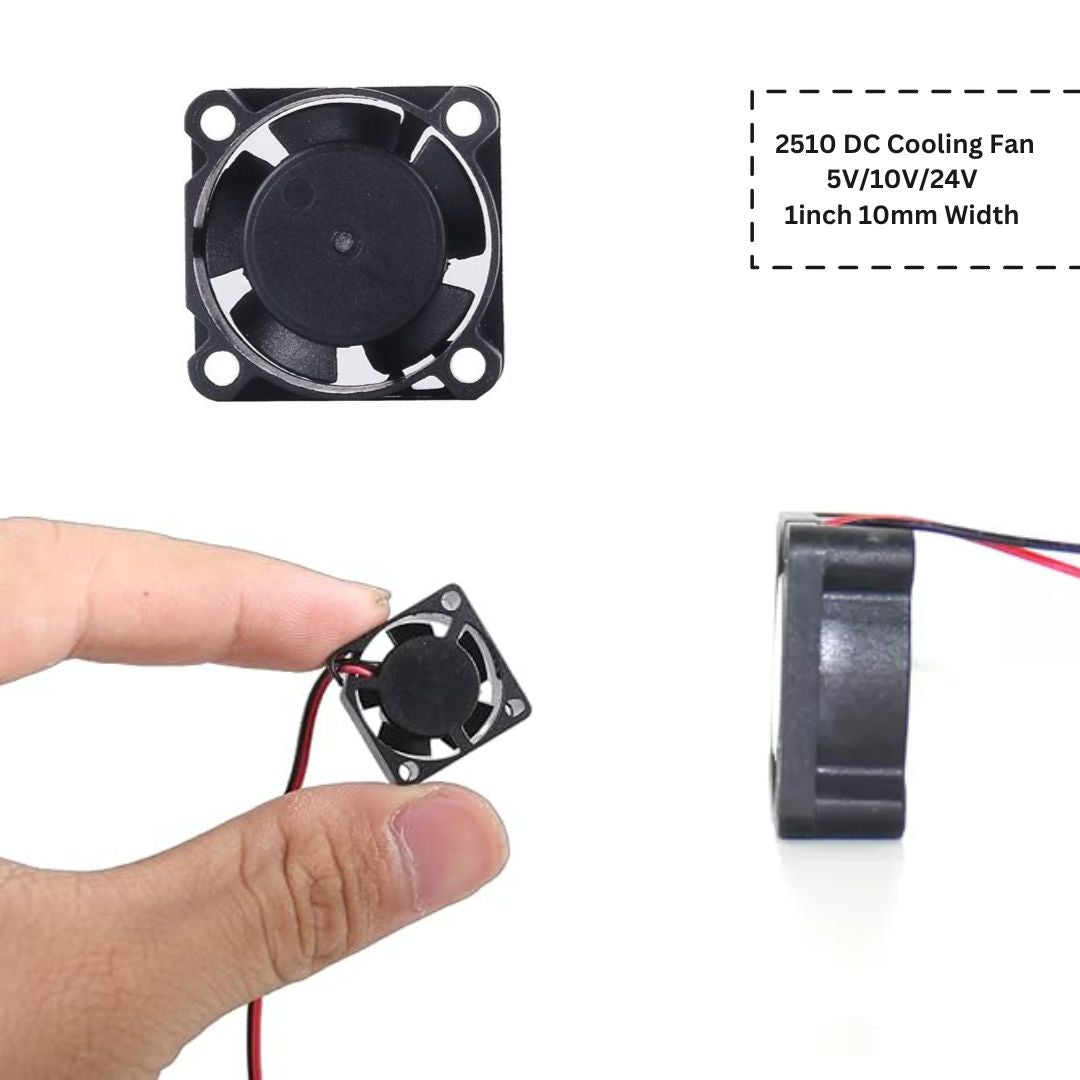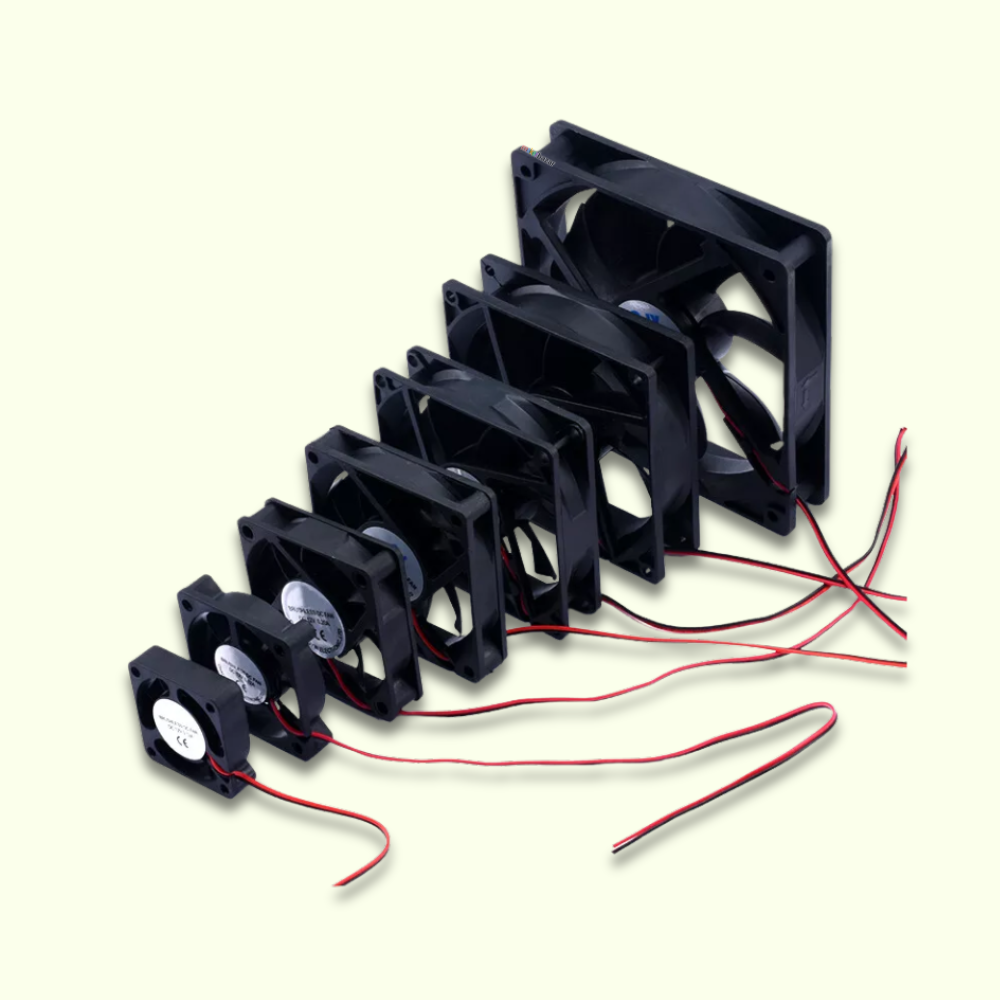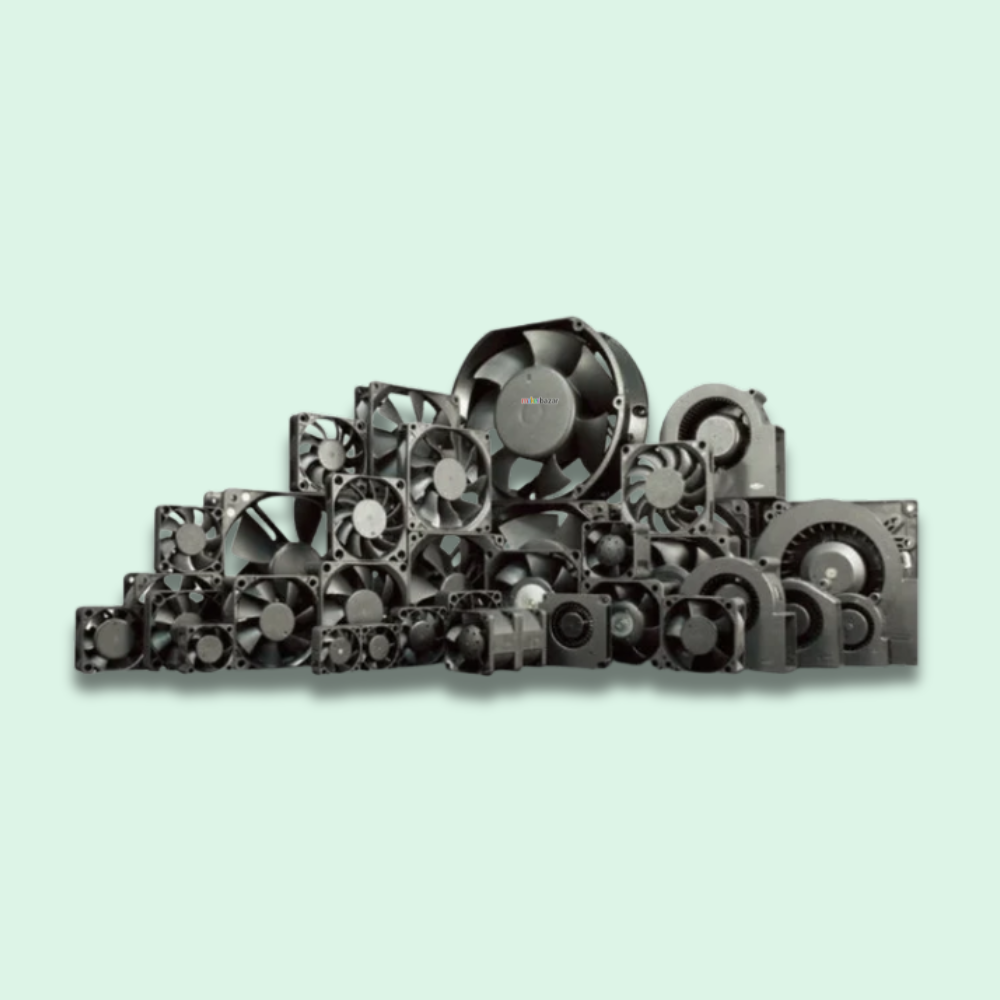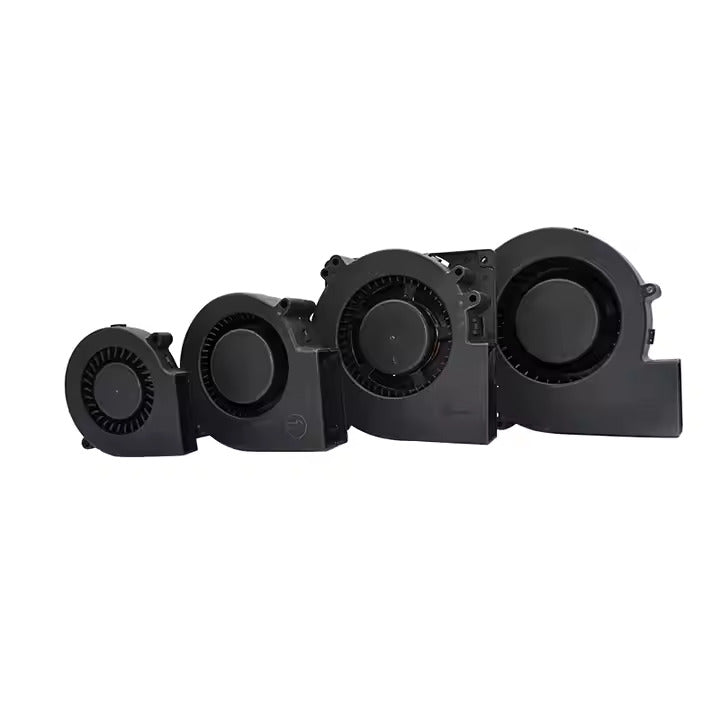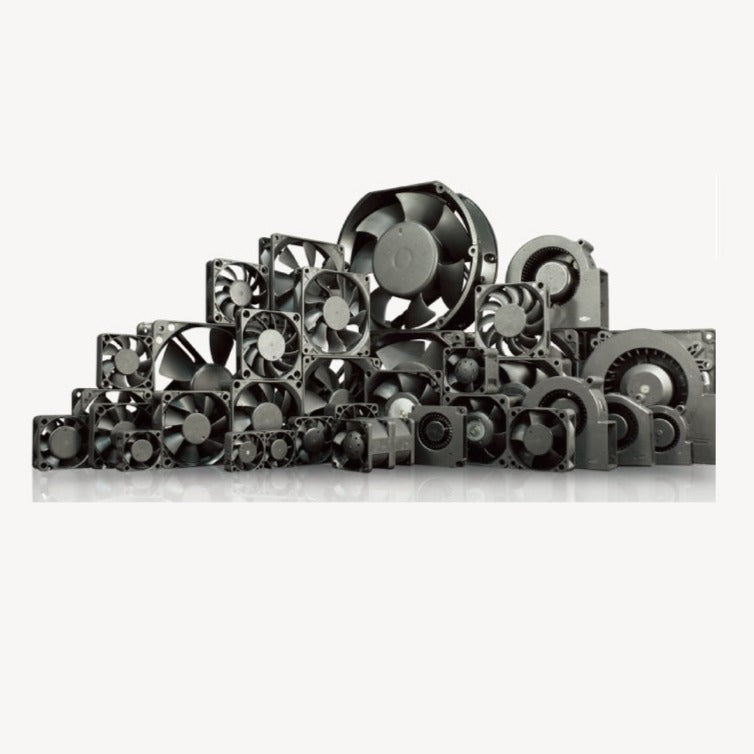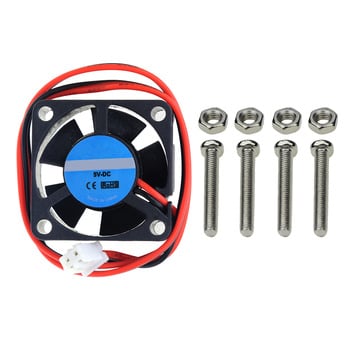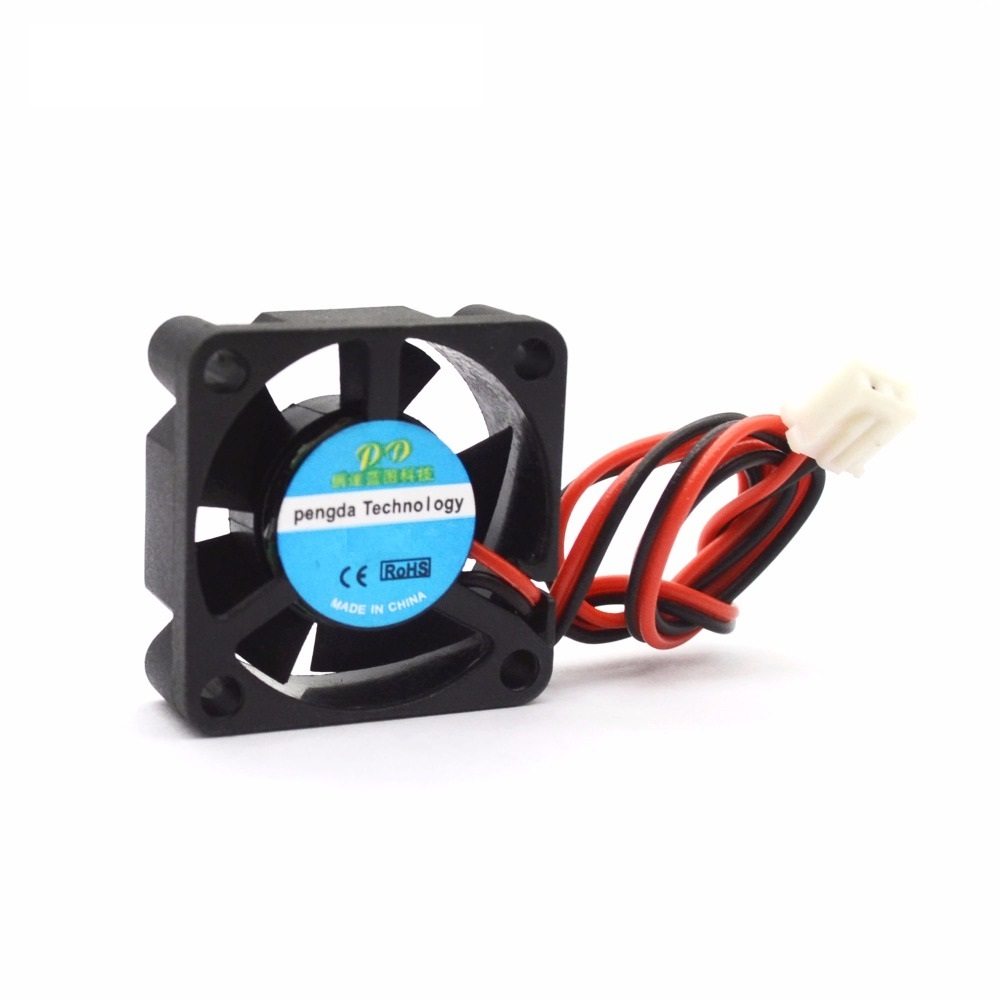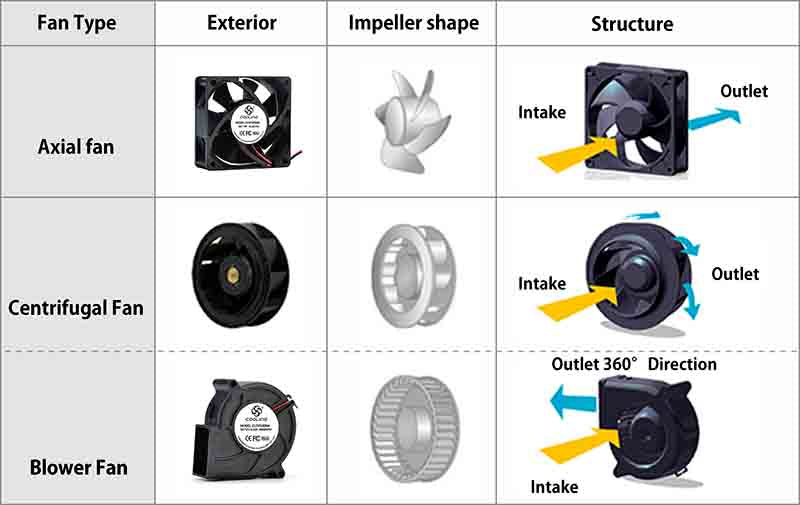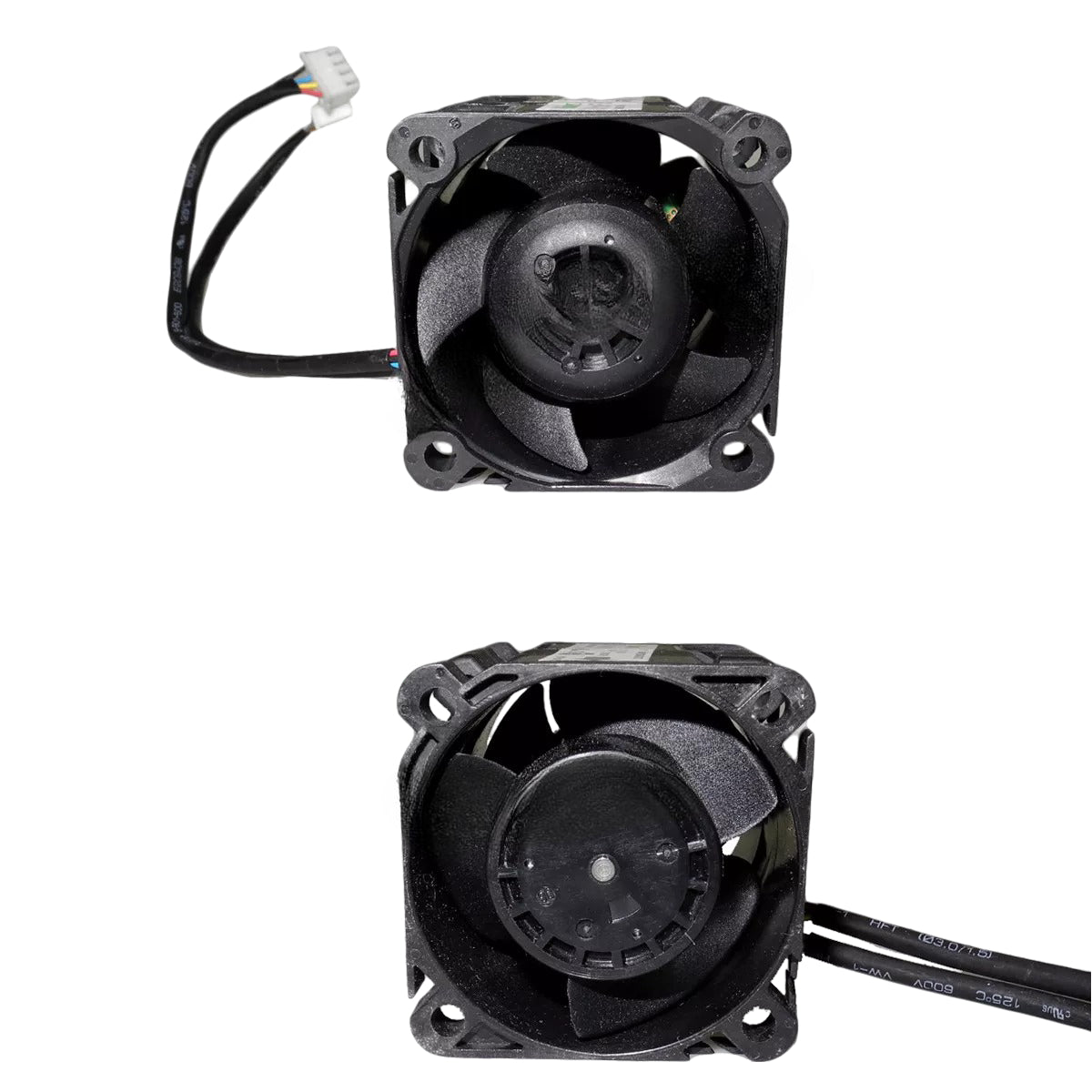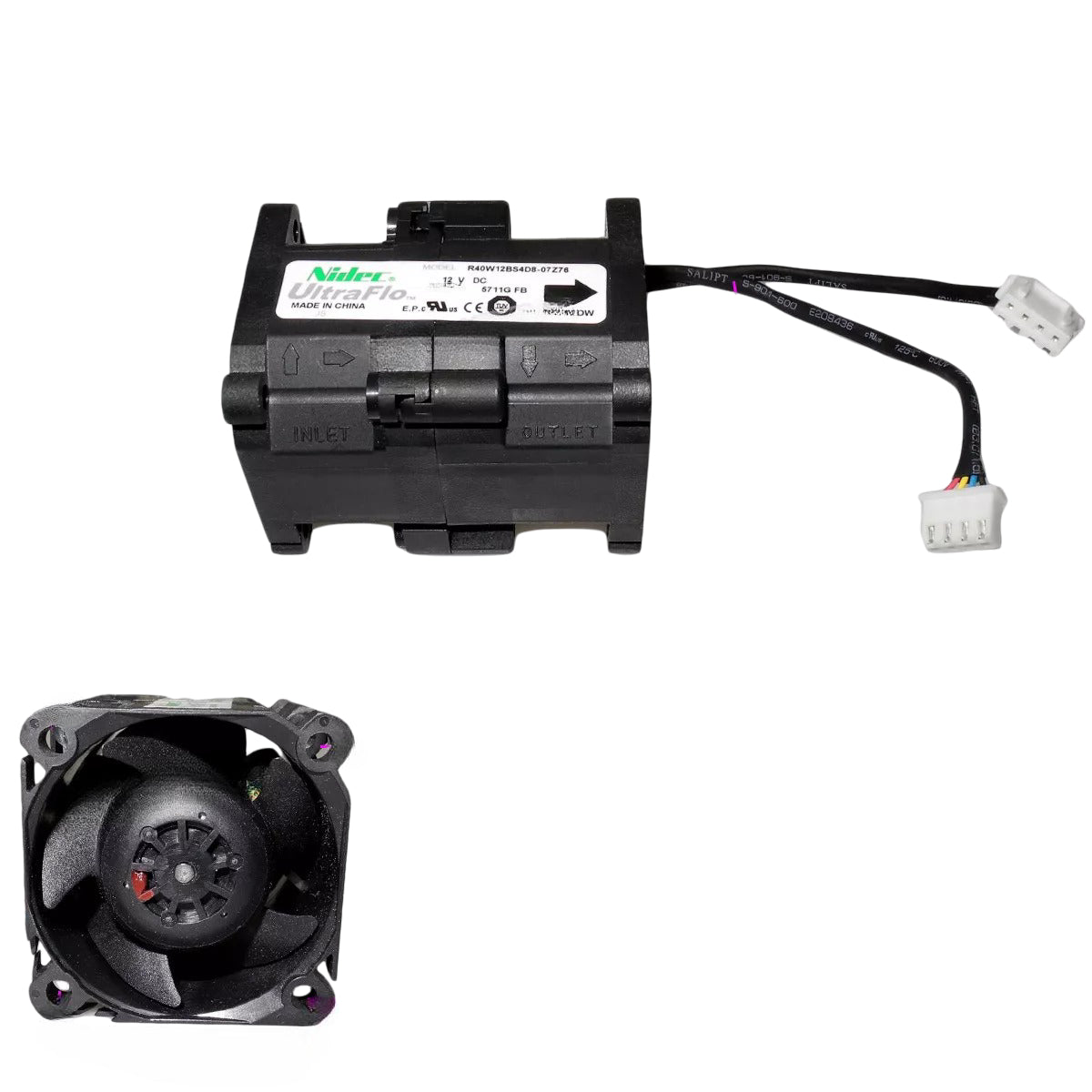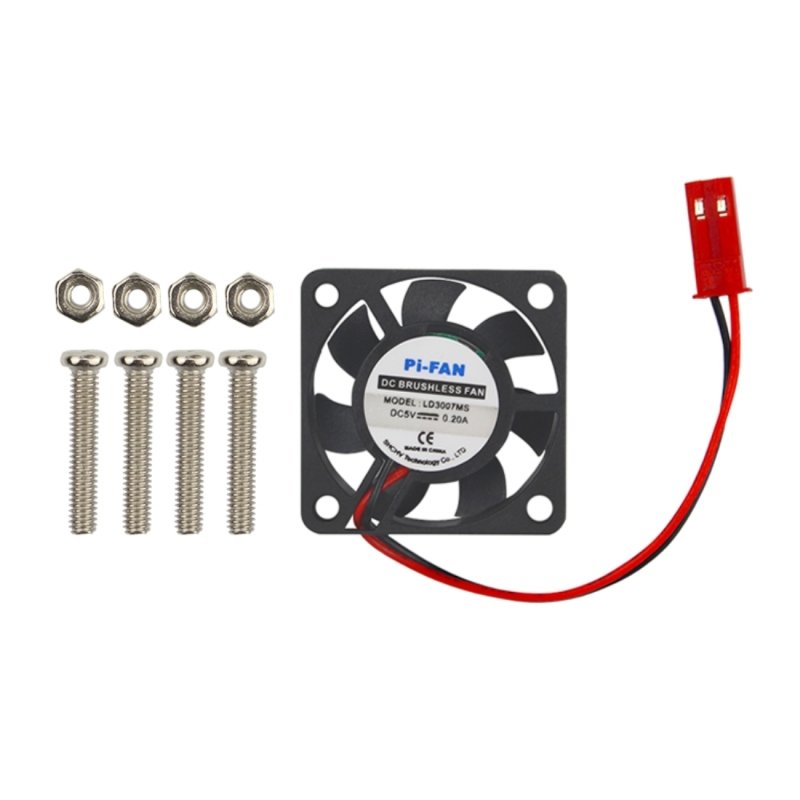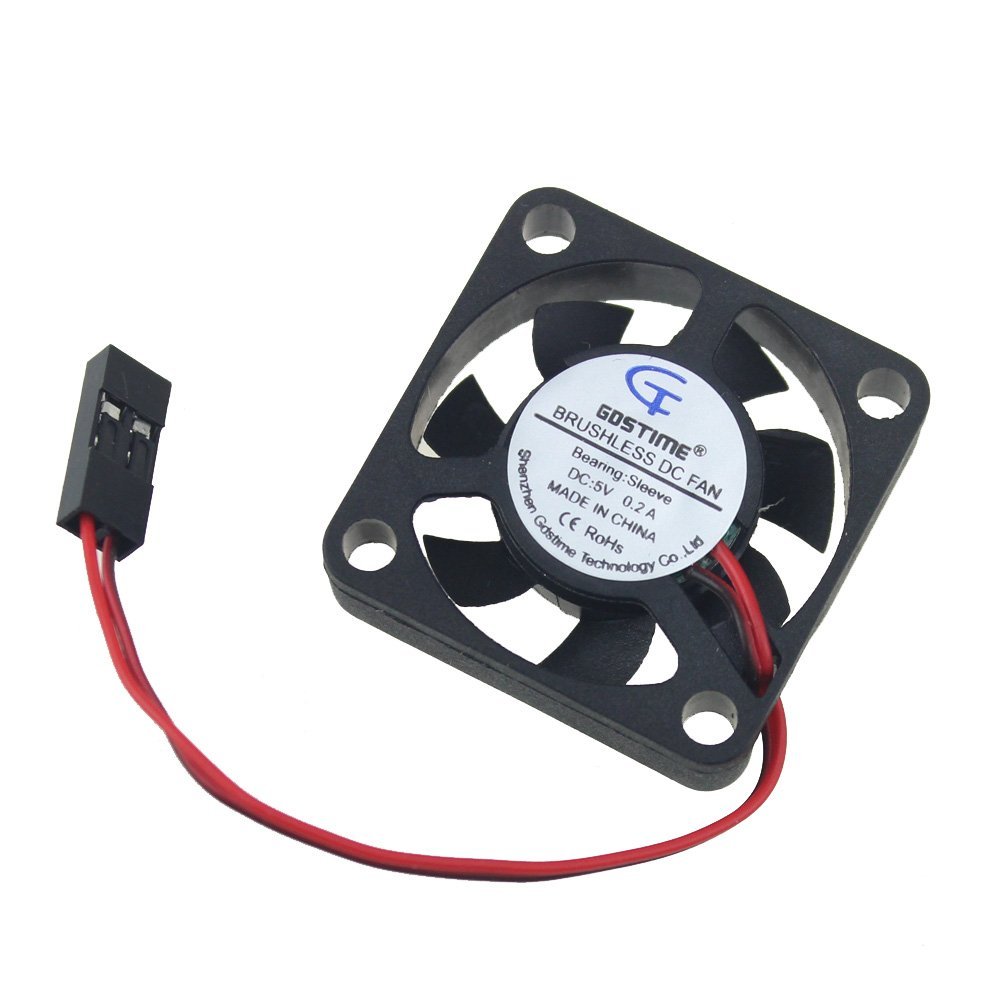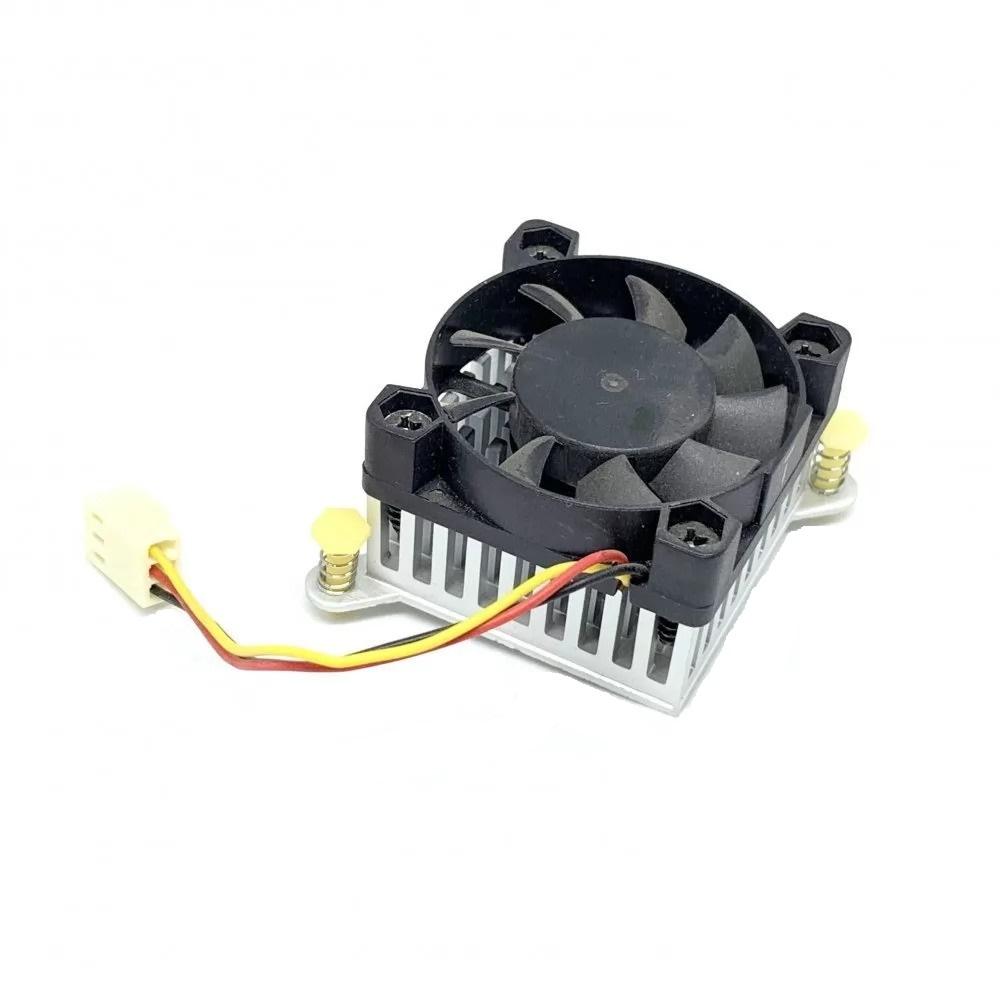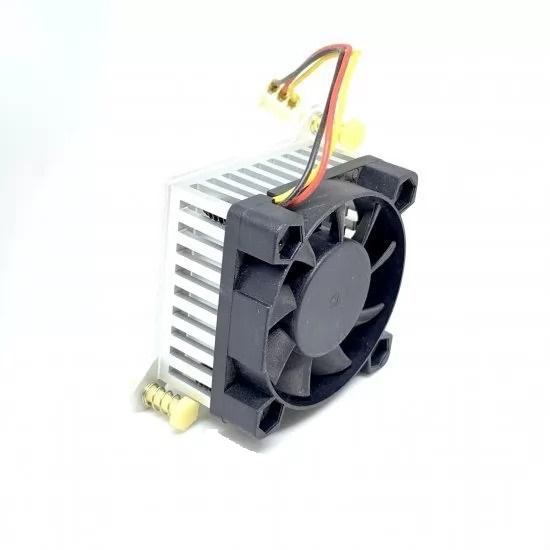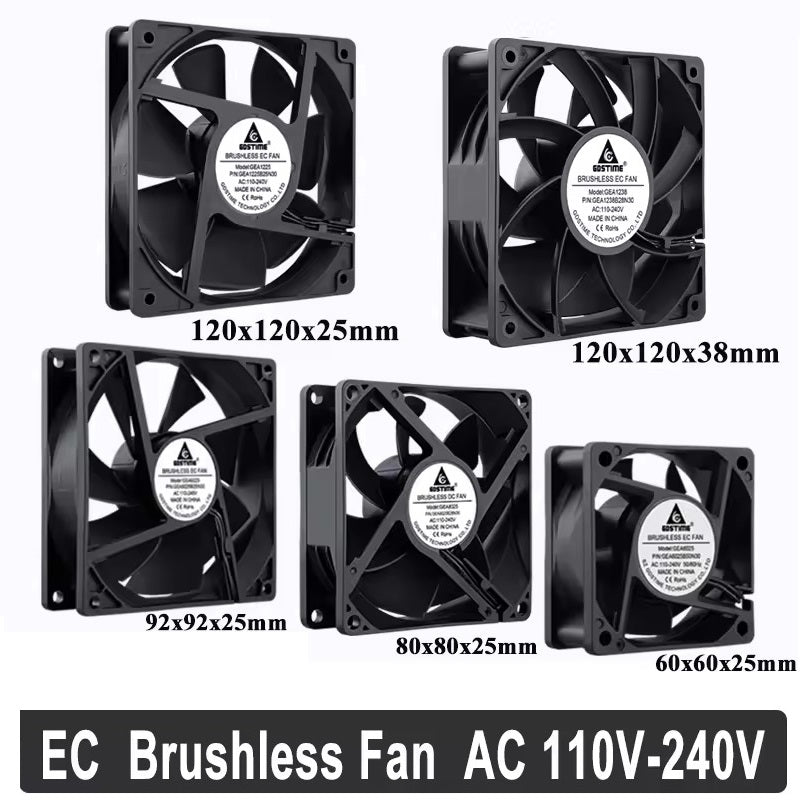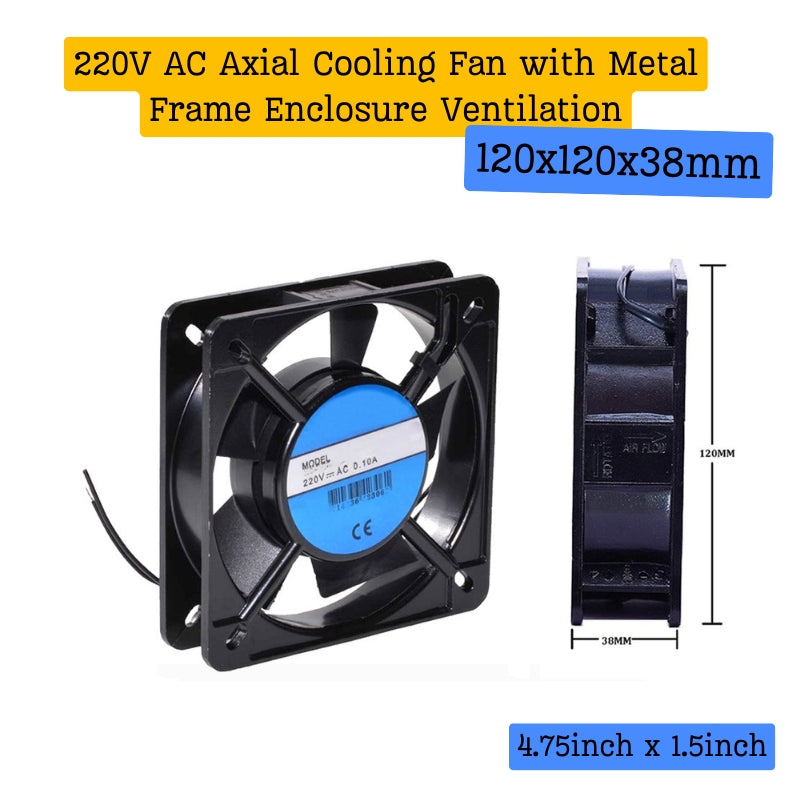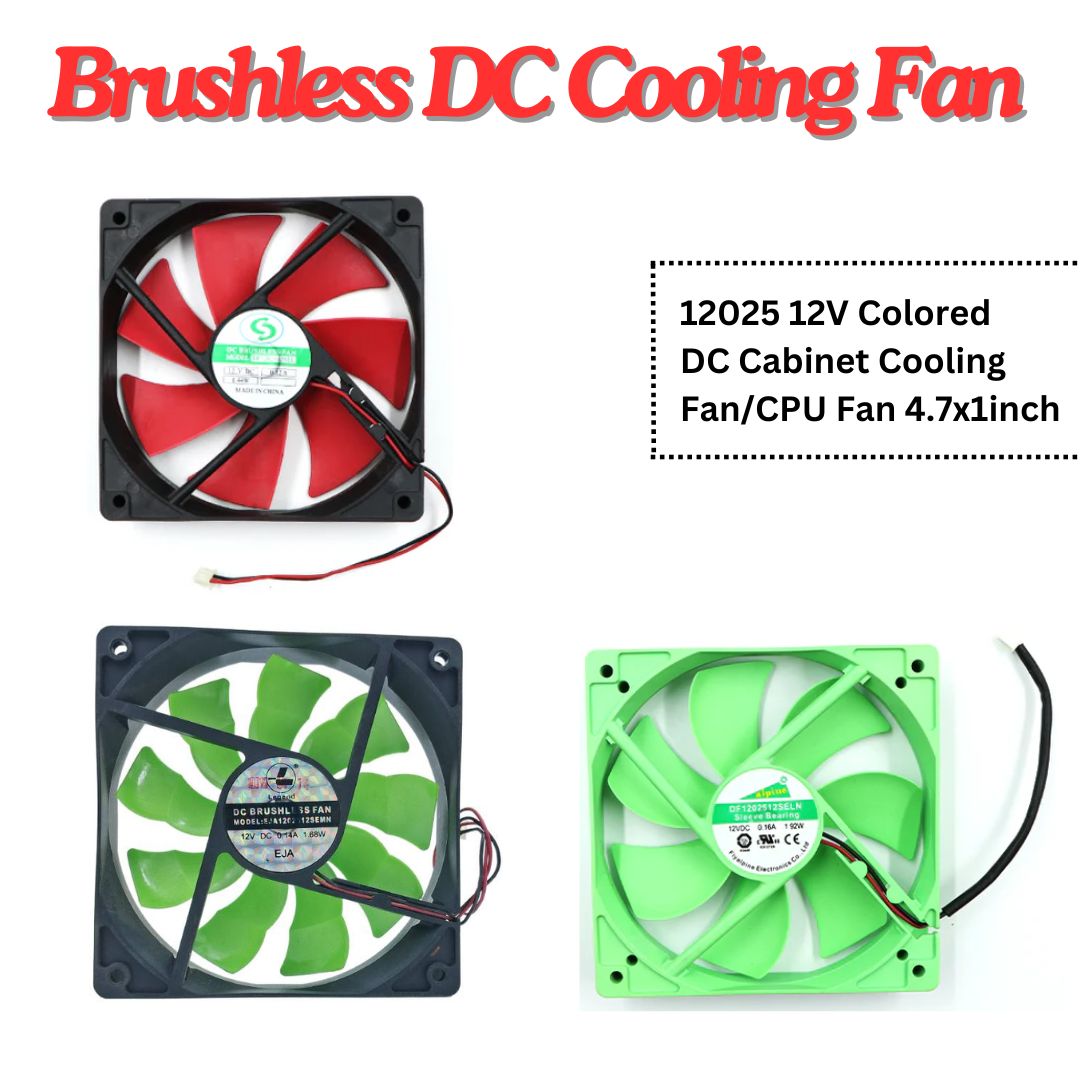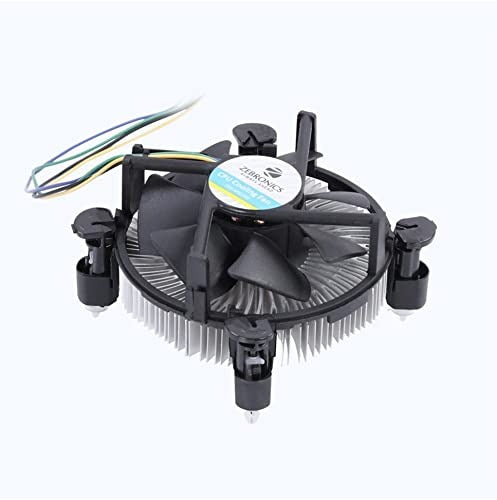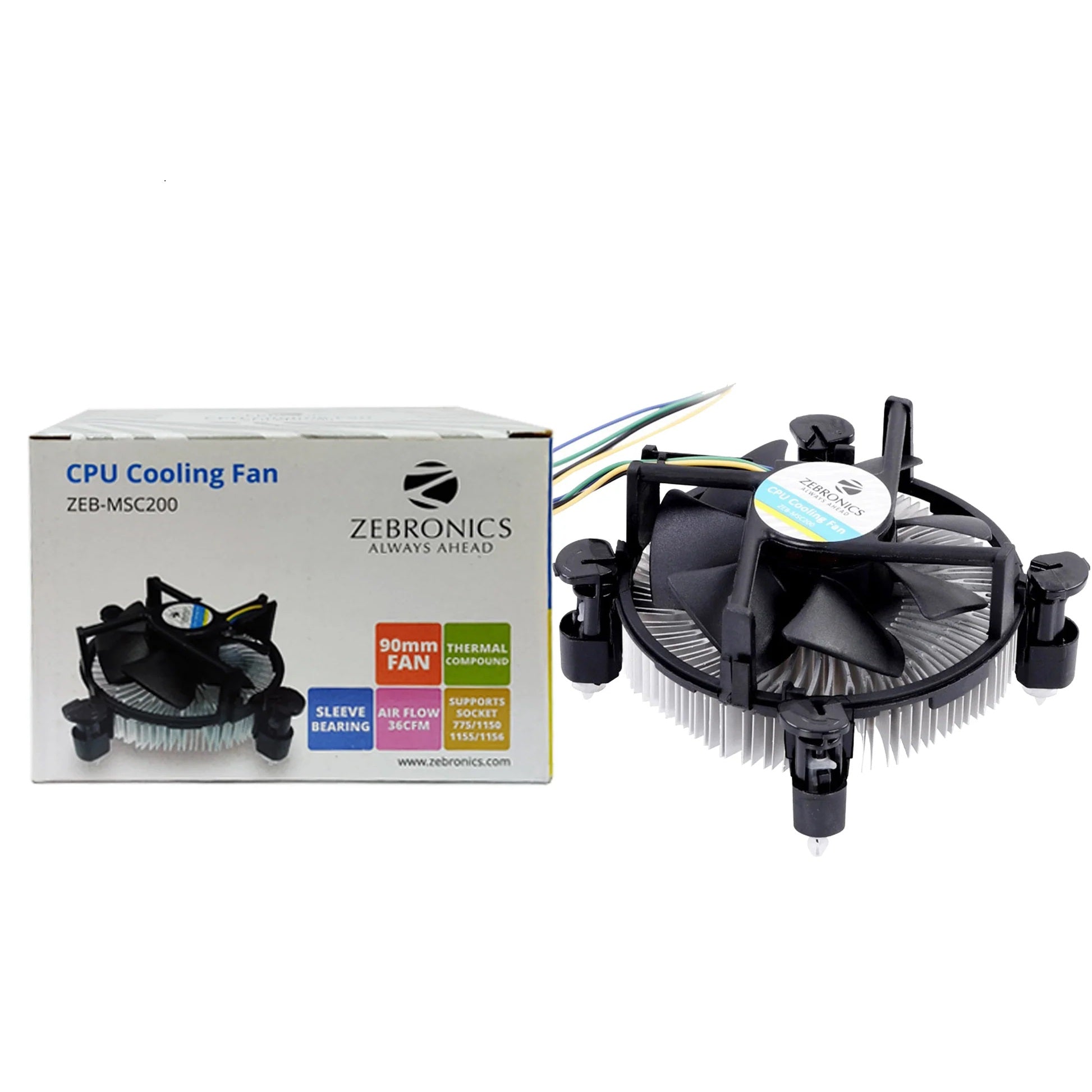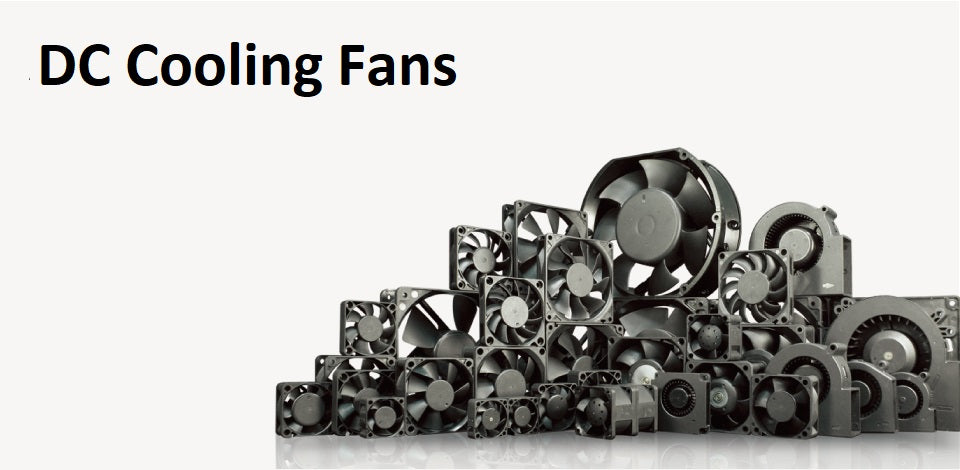
A DC (Direct Current) cooling fan is an electronic device designed to dissipate heat and cool electronic components or systems by moving air. These fans use direct current power and are commonly found in various applications, including computers, laptops, servers, gaming consoles, power supplies, and other electronic devices.
Key features of DC cooling fans include:
-
Power Source: DC fans require a DC power source, typically supplied by a computer's motherboard, a power supply unit, or an external power adapter.
-
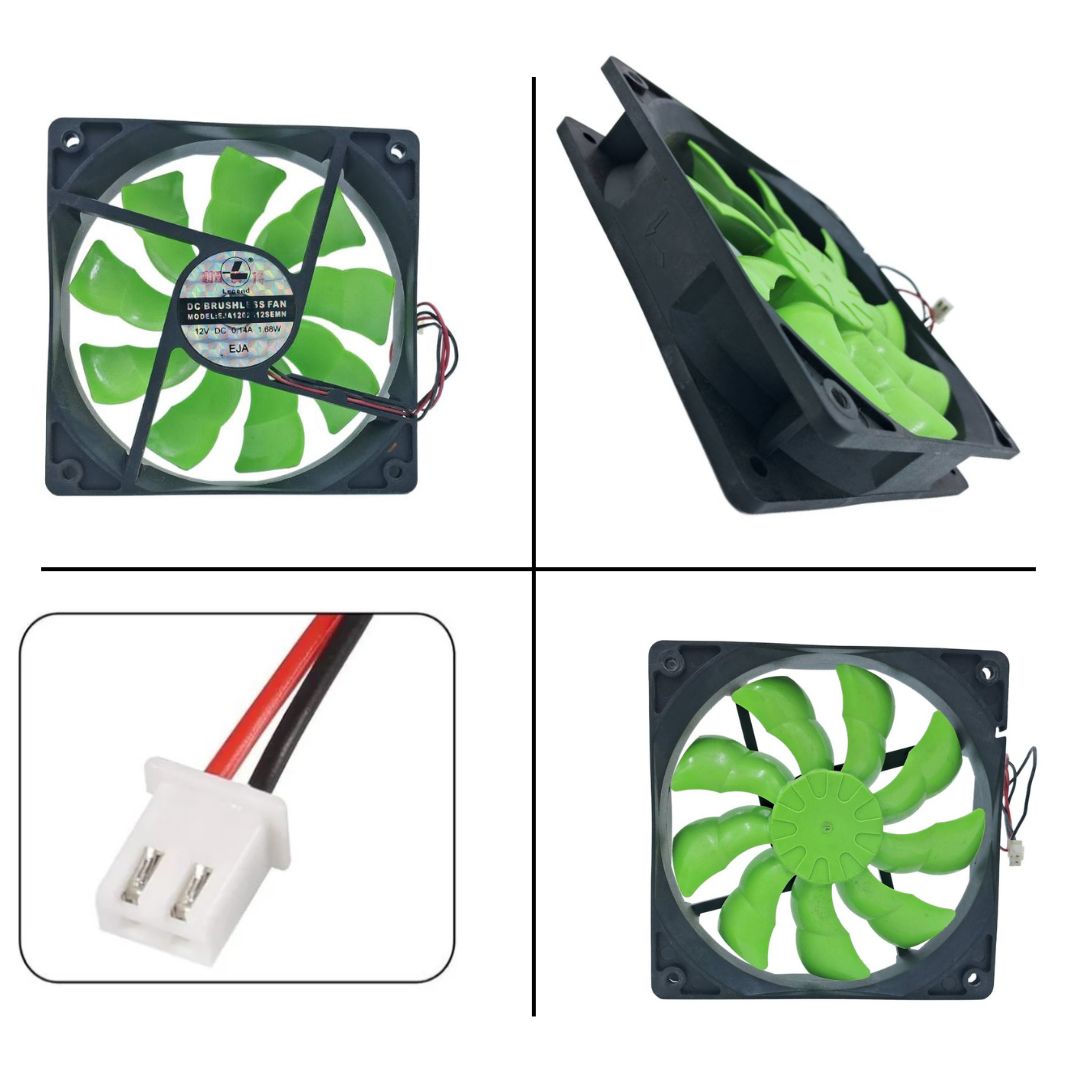
Blades and Housing: The fan consists of rotating blades mounted on a hub within a protective housing. The blades create airflow when they spin, which helps to displace hot air and bring in cooler air.
-
Bearings: The fan's hub is supported by bearings, which can be either sleeve bearings (cheaper, but less durable) or ball bearings (more durable and long-lasting).
-
Speed Control: Many modern DC fans come with speed control features. They can be controlled either manually through a switch or automatically through pulse-width modulation (PWM) signals from the motherboard. This allows the fan's speed to be adjusted according to the system's cooling requirements.
-
Connector Types: DC fans commonly use 2-pin or 3-pin connectors for power and control. Some high-end fans might have 4-pin connectors that allow more precise speed control using PWM.
-
Airflow and Static Pressure: DC fans are designed to provide a specific airflow rate and static pressure. The airflow rate determines how much air the fan can move, while the static pressure indicates the fan's ability to push air through resistance, such as heatsinks or cooling fins.
-
Noise Level: Noise is an important consideration, especially for applications where quiet operation is required. DC fans often include noise-reducing features like optimized blade designs or rubber dampeners to minimize vibration and noise.
When choosing a DC cooling fan, it's essential to consider factors such as size, airflow, static pressure, noise level, and the specific application requirements to ensure efficient cooling without excessive noise. Additionally, regular maintenance, such as cleaning accumulated dust from the fan blades and ensuring proper airflow paths, can help prolong the fan's life and maintain optimal cooling performance.