




Description
LiFePO4 BMS Lithium Iron Phosphate Battery Management Board for LiFePO4 3.2V Cells Battery
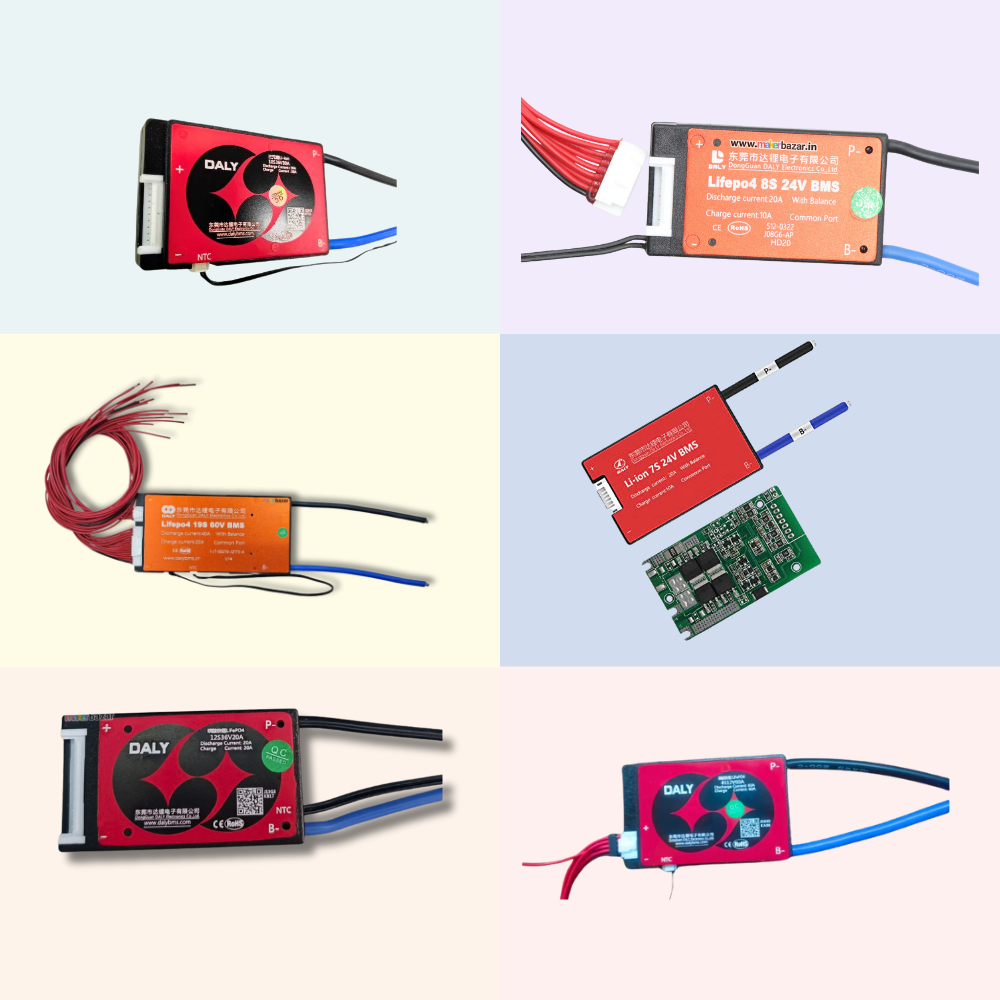
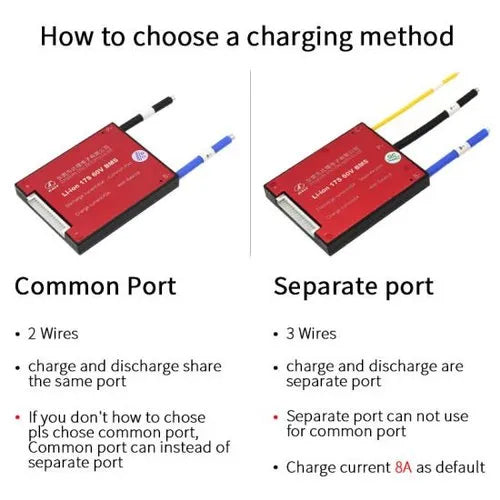
The Daly H-Series LiFePO4 BMS (Battery Management System) is a high-quality protection and balancing board designed specifically for Lithium Iron Phosphate (LiFePO4 / LFP) battery packs. Featuring a common port design, this BMS ensures safe charging and discharging while maintaining optimal cell balance for long battery life.
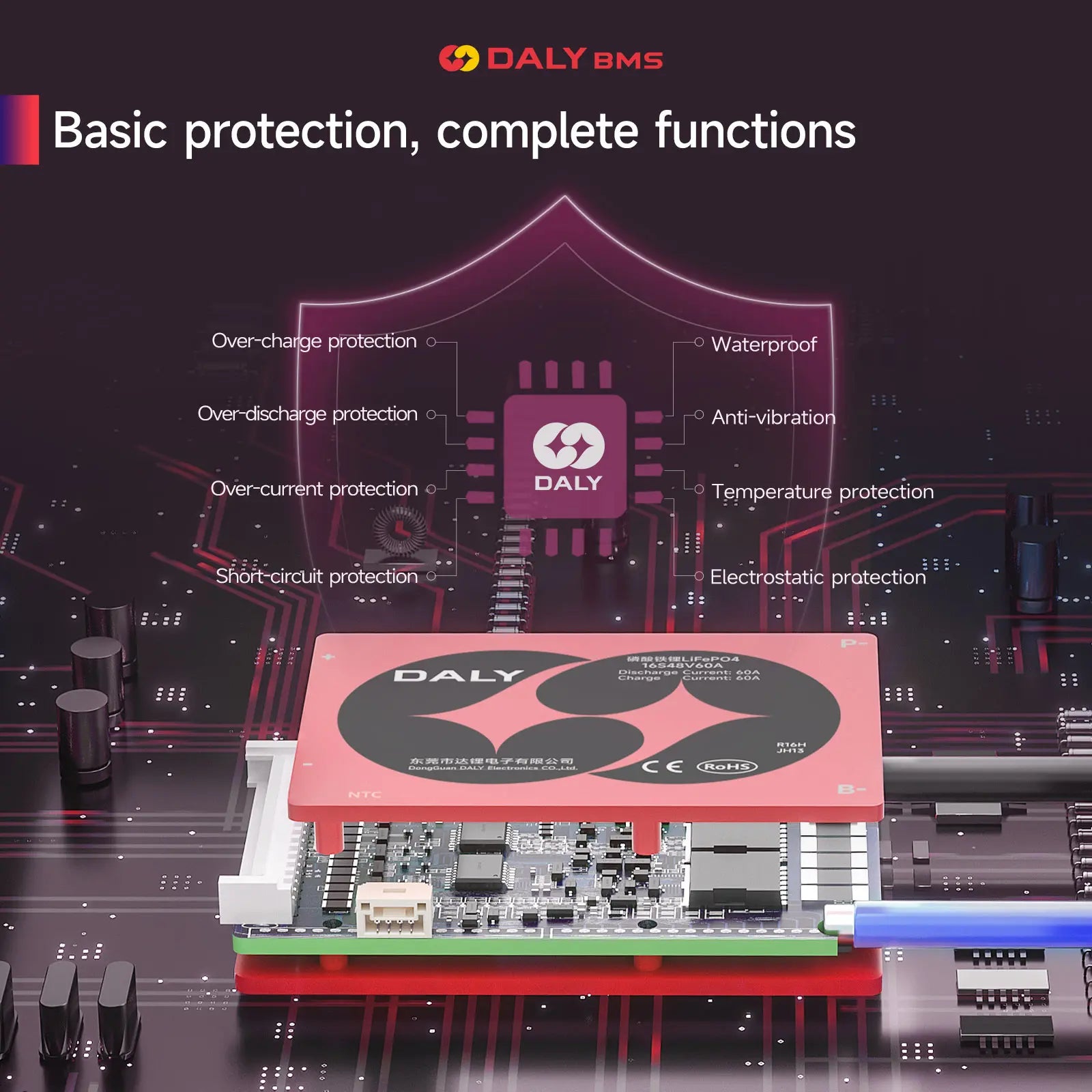
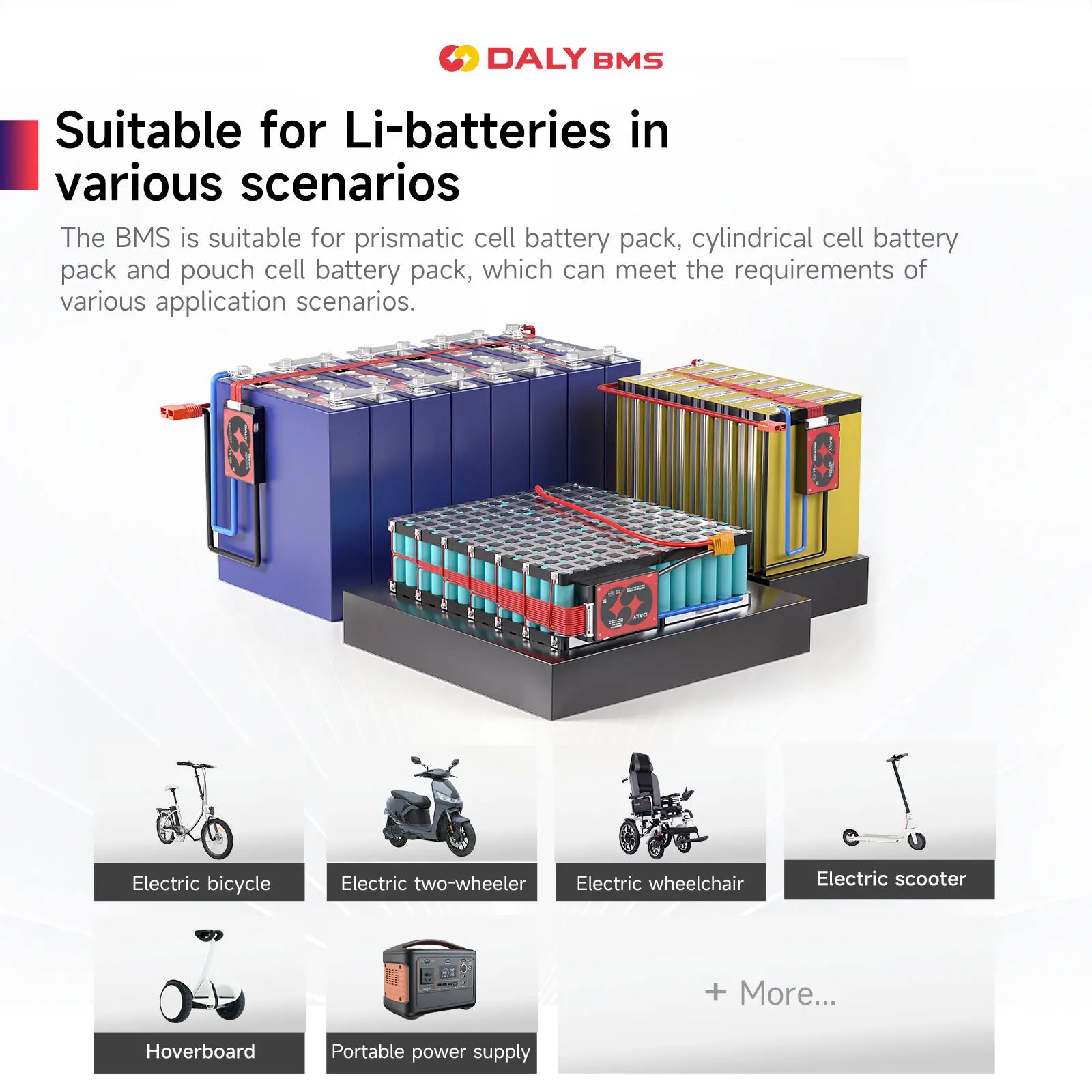
Equipped with comprehensive protection features such as overcharge, over-discharge, overcurrent, and short-circuit protection, the Daly H-Series BMS is widely trusted in DIY battery packs, solar energy systems, electric vehicles, power tools, and backup power applications.
Multiple voltage and current variants are available to support a wide range of LiFePO4 battery configurations.
Key Features
-
Designed specifically for LiFePO4 (LFP) batteries
-
Common port design for simplified wiring
-
Overcharge and over-discharge protection
-
Overcurrent and short-circuit protection
-
Built-in cell balancing for extended battery life
-
High-quality PCB for durability and thermal stability
-
Compact and lightweight design
-
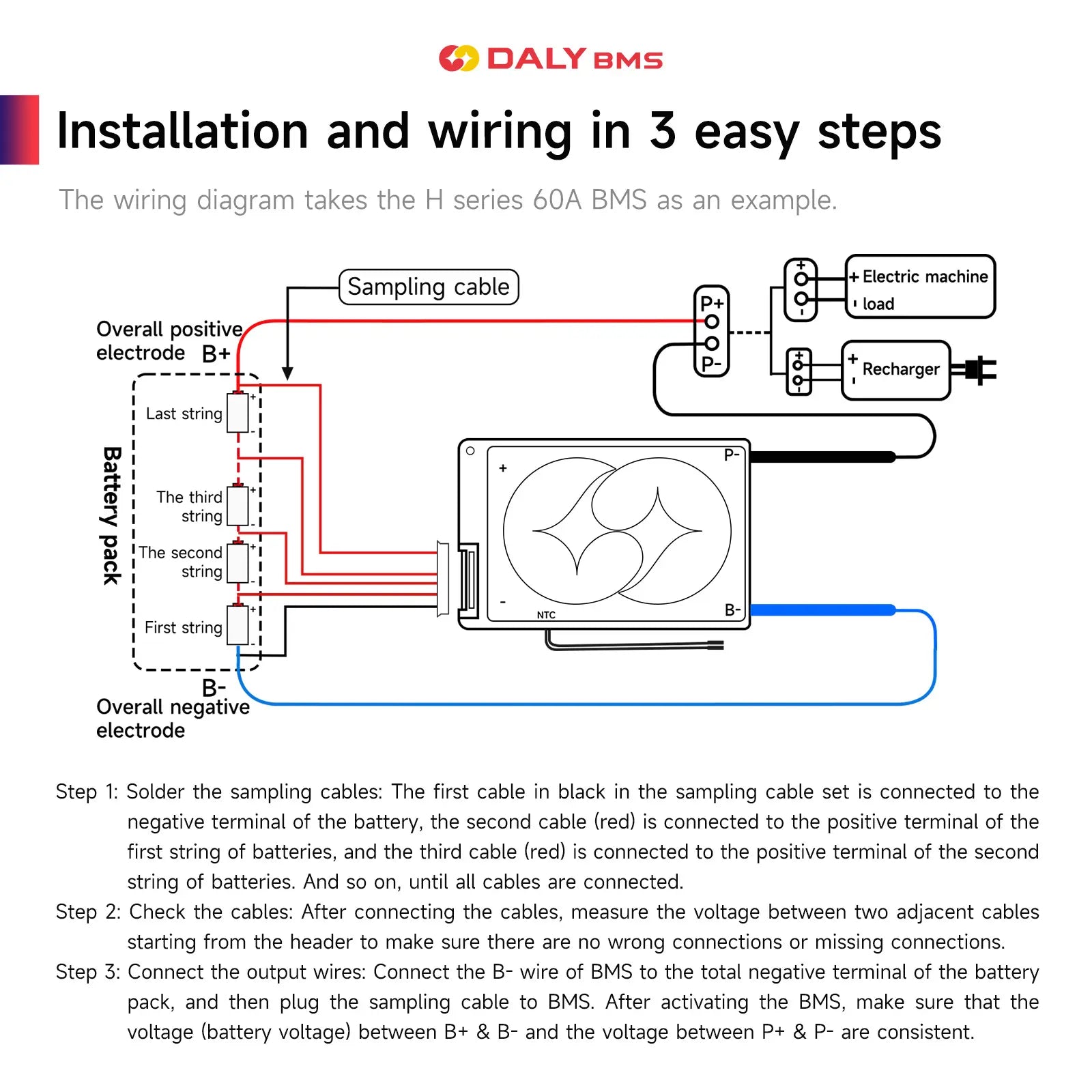
Easy installation with balance leads
Technical Specifications
| Parameter | Specification |
|---|---|
| Brand | Daly |
| Series | H-Series |
| Battery Type | LiFePO4 (Lithium Iron Phosphate) |
| Cell Configuration Options | 4S, 7S, 8S, 10S, 12S, 19S |
| Voltage Options | 12V, 24V, 36V, 60V |
| Current Ratings | 20A, 30A, 40A, 60A |
| Port Type | Common Port |
| Balancing Function | Yes |
| Protection Functions | Overcharge, Over-discharge, Overcurrent, Short Circuit |
| Installation | Plug-and-Play |
Available Variants
-
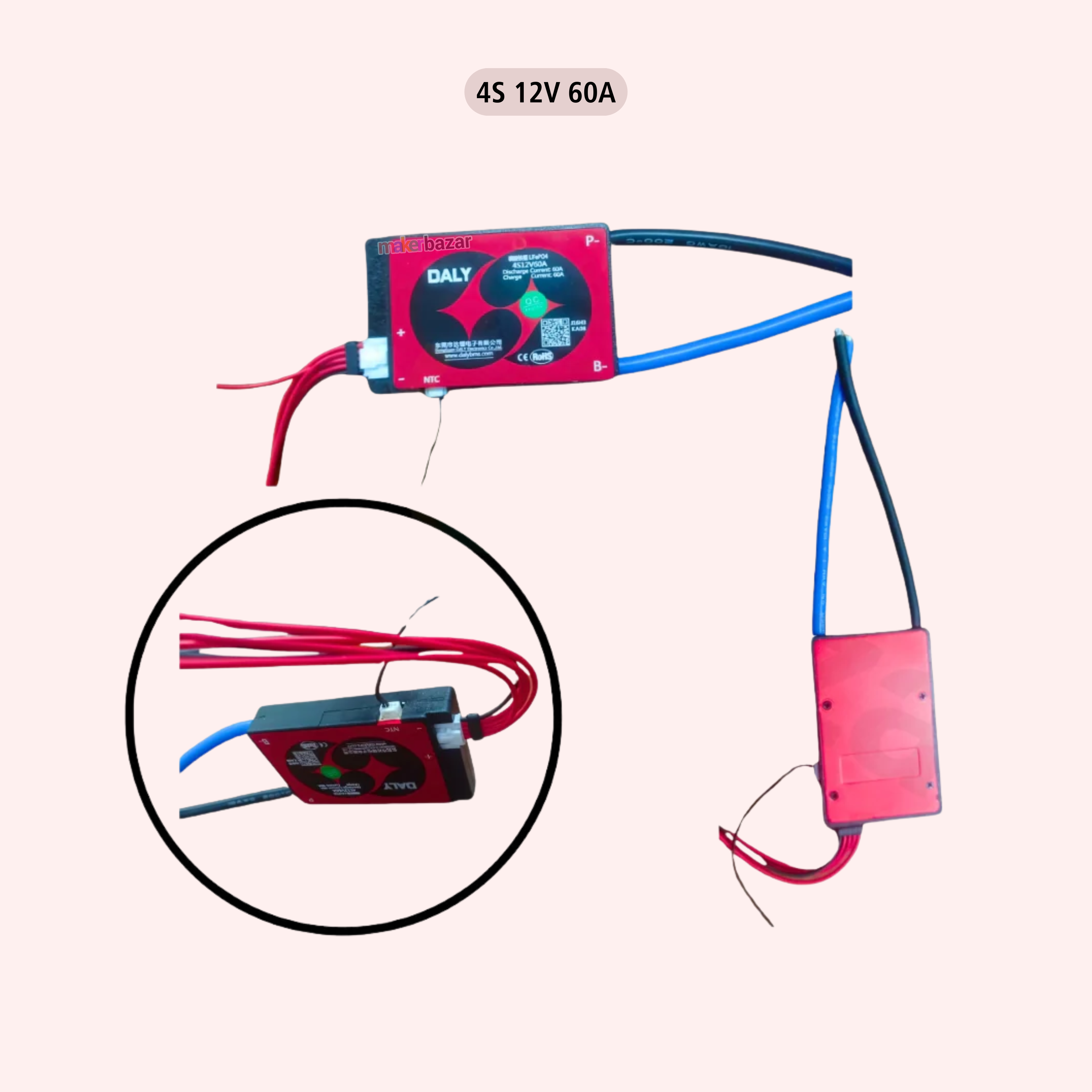
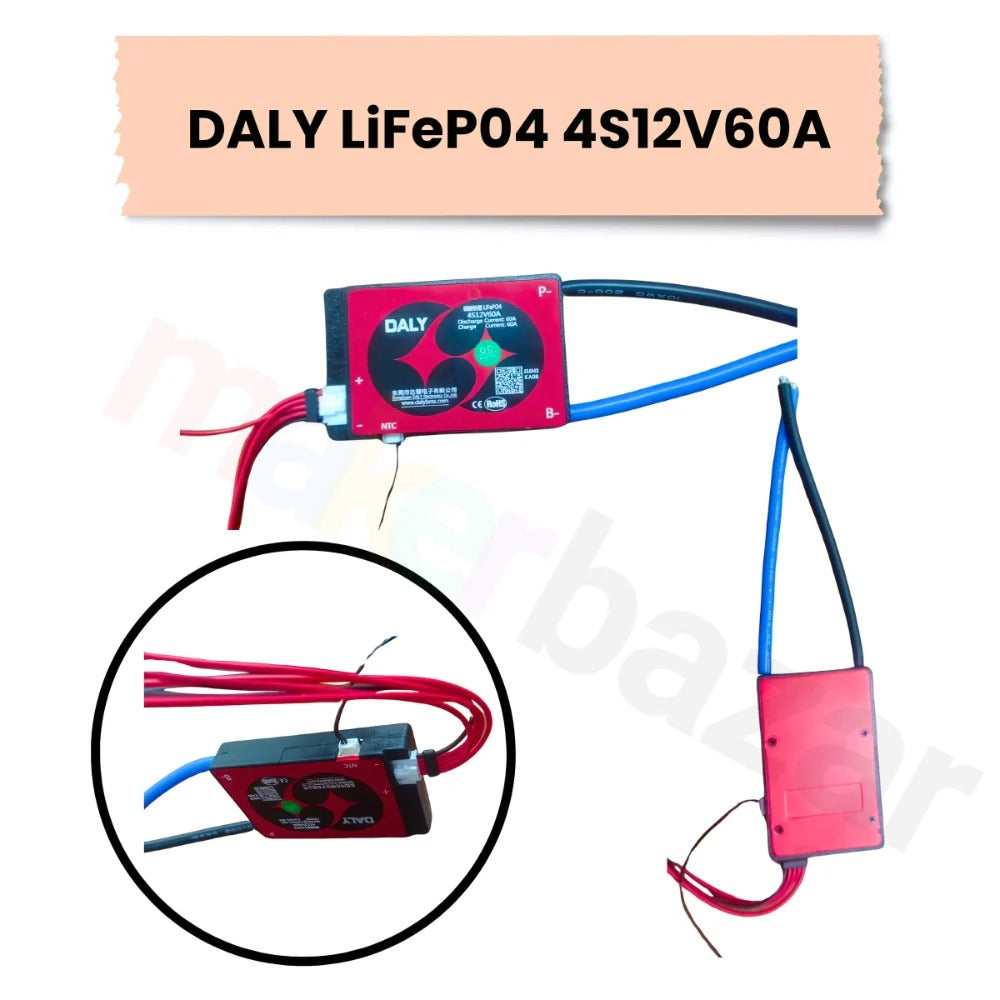
4S 12V 60A
-
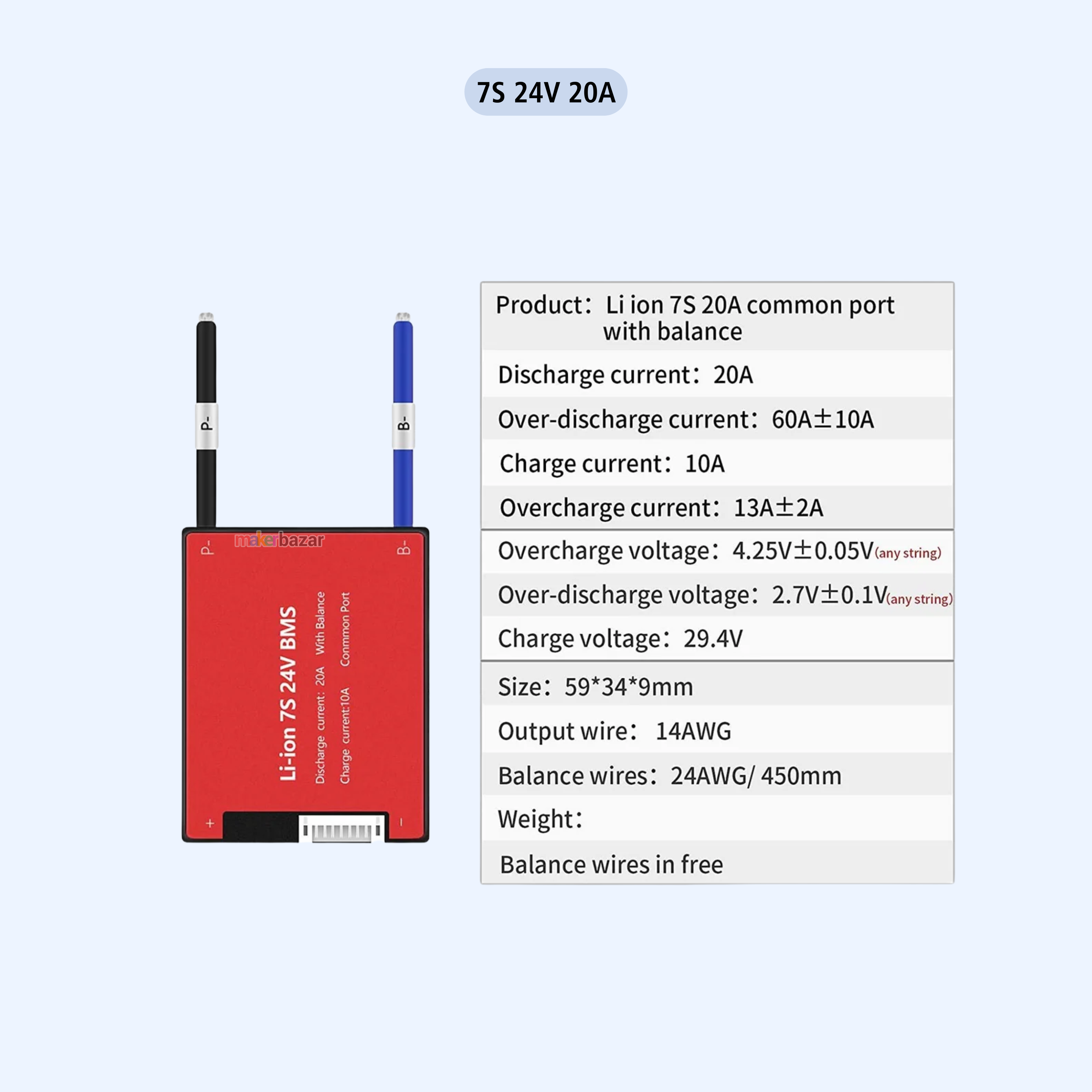
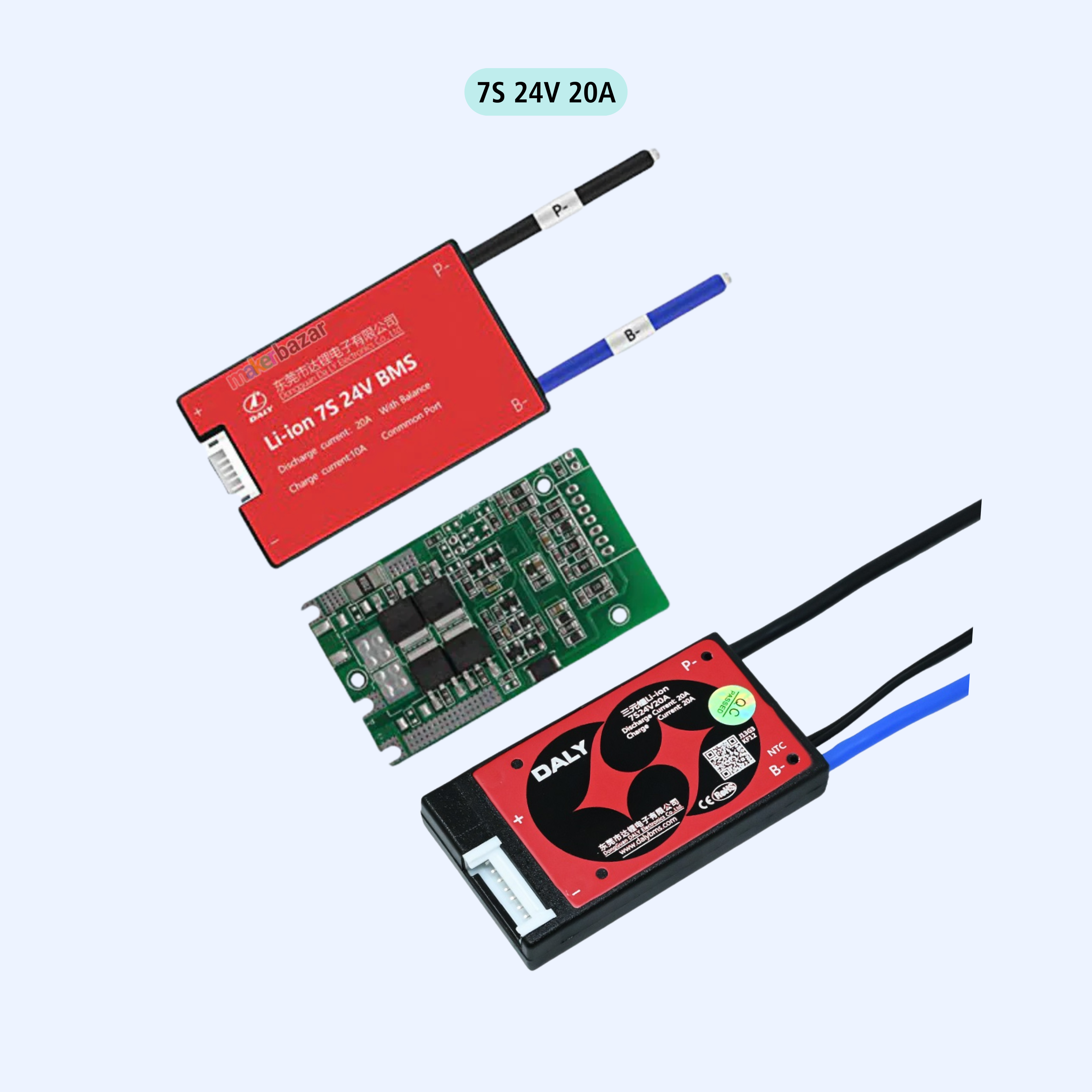
7S 24V 20A
-
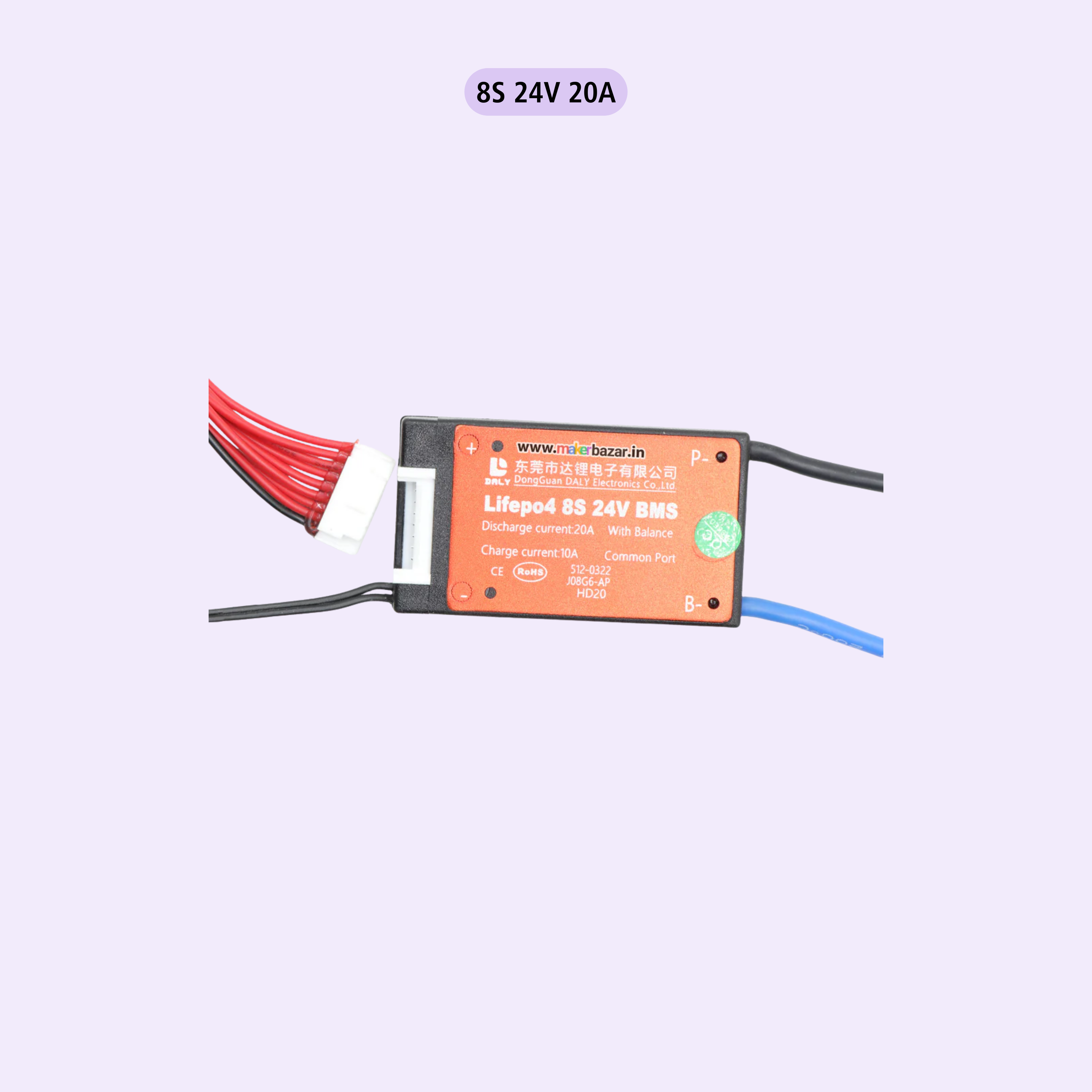
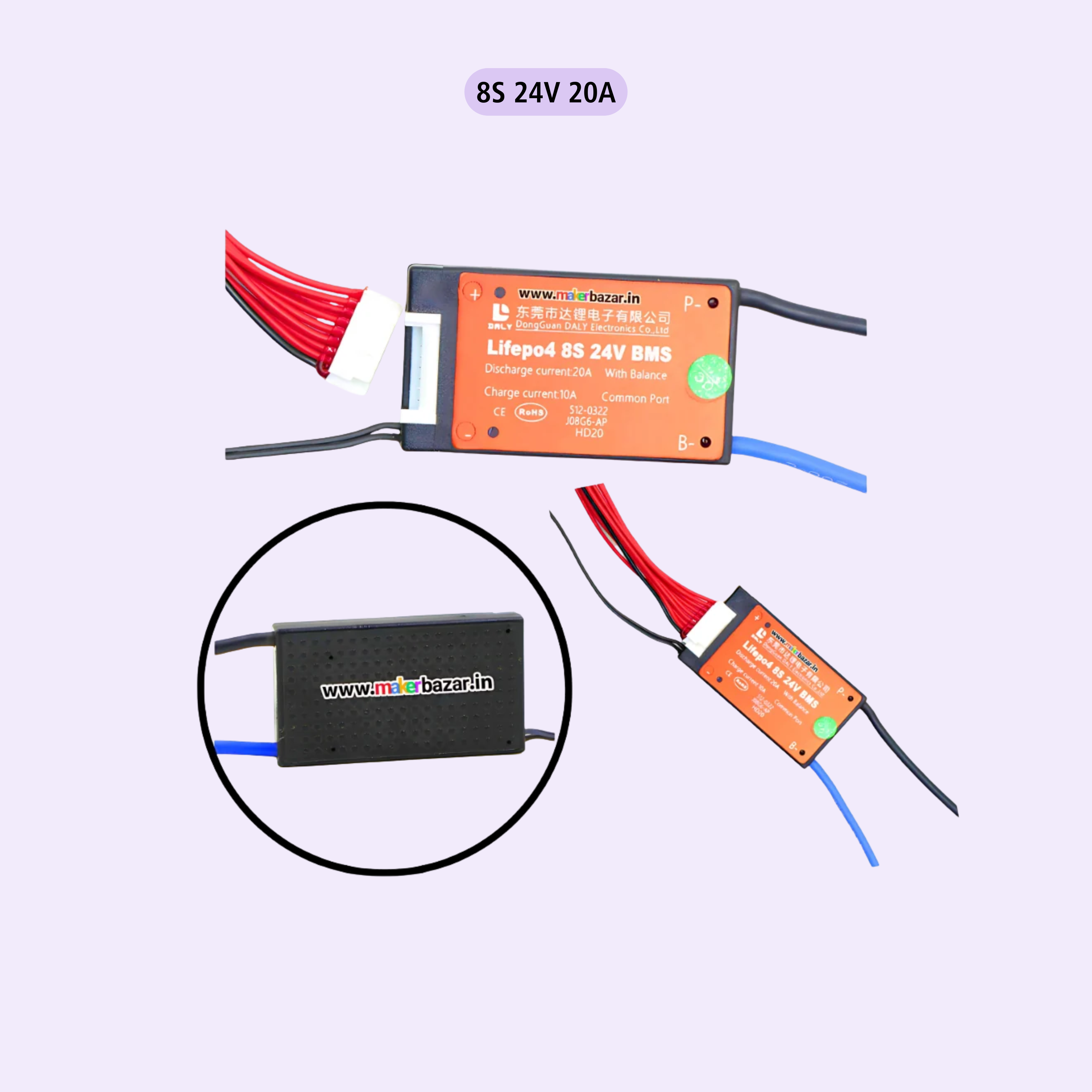
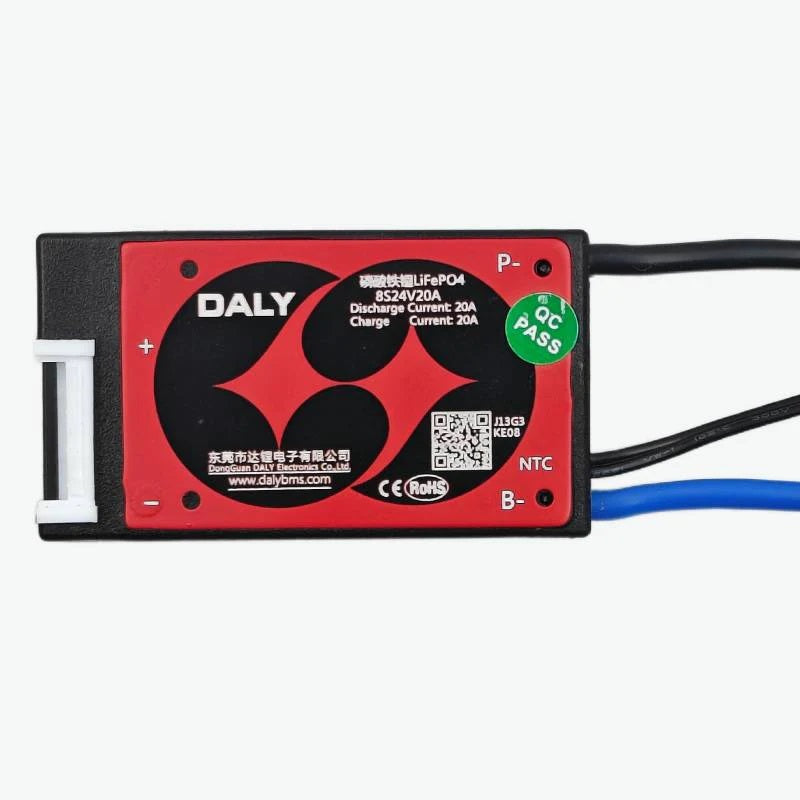
8S 24V 20A
-
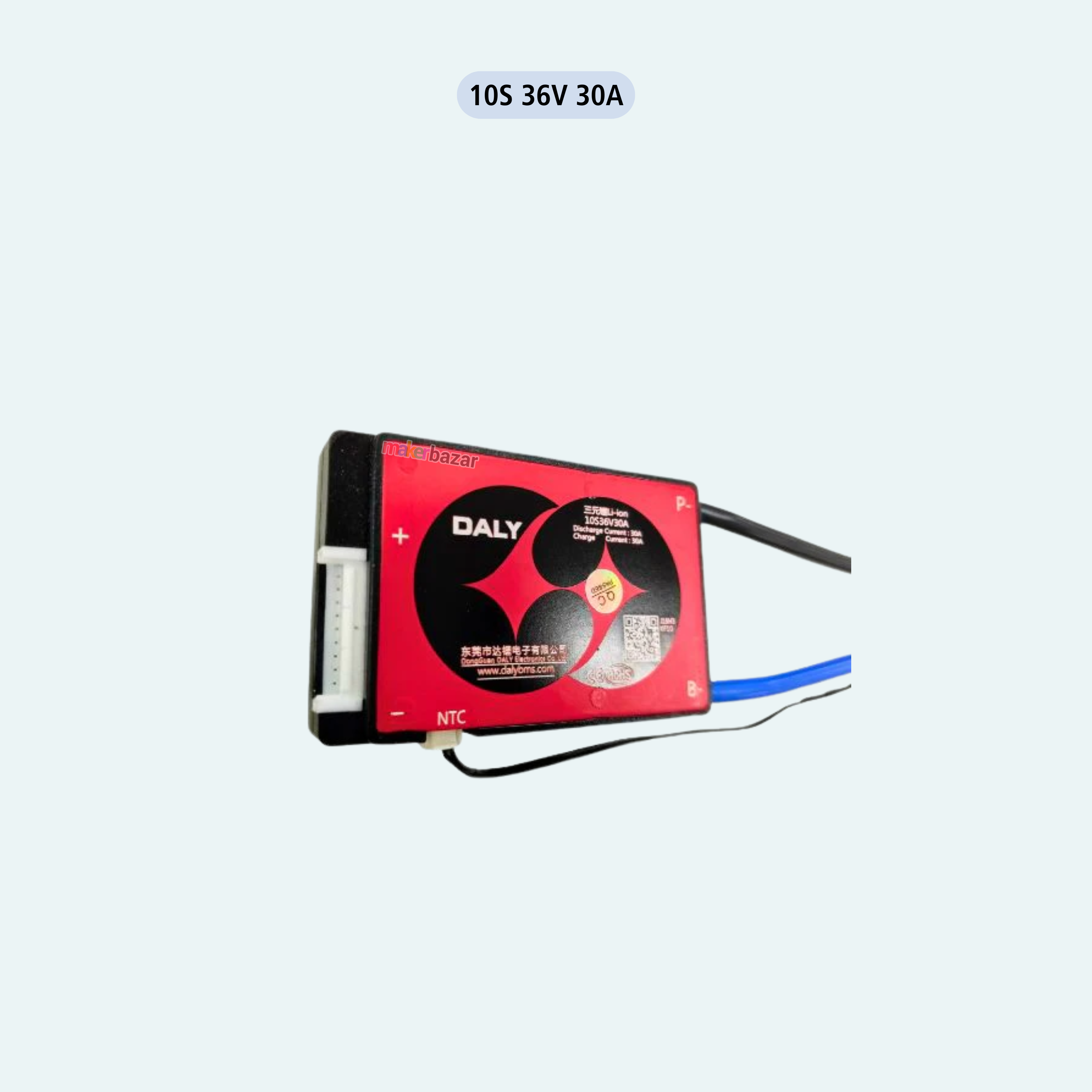
10S 36V 30A
-
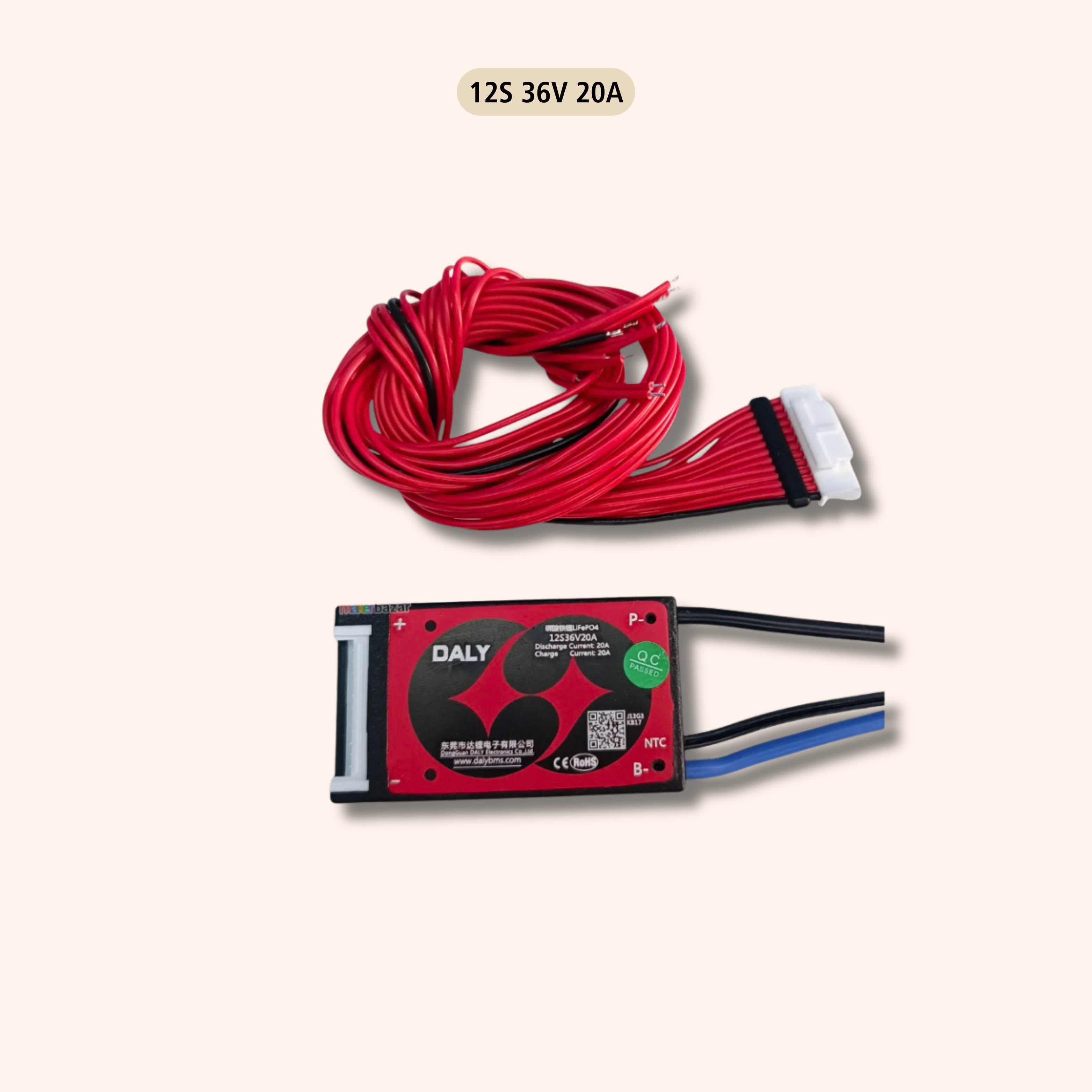
12S 36V 20A
-
19S 60V 40A
Applications
-
DIY LiFePO4 battery packs
-
Solar energy storage systems
-
Electric vehicles and e-bikes
-
Power tools and portable equipment
-
Backup power and UPS systems
-
Robotics and automation projects
-
Energy storage solutions
Precautions
-
Use only with LiFePO4 battery cells
-
Ensure correct cell count selection before installation
-
Do not exceed rated current limits
-
Ensure proper insulation and wiring
-
Install in a well-ventilated area
-
Disconnect power before servicing