


Description
Generic 18650 Li-Ion Battery – 1C Standard & 3C High Discharge Cell
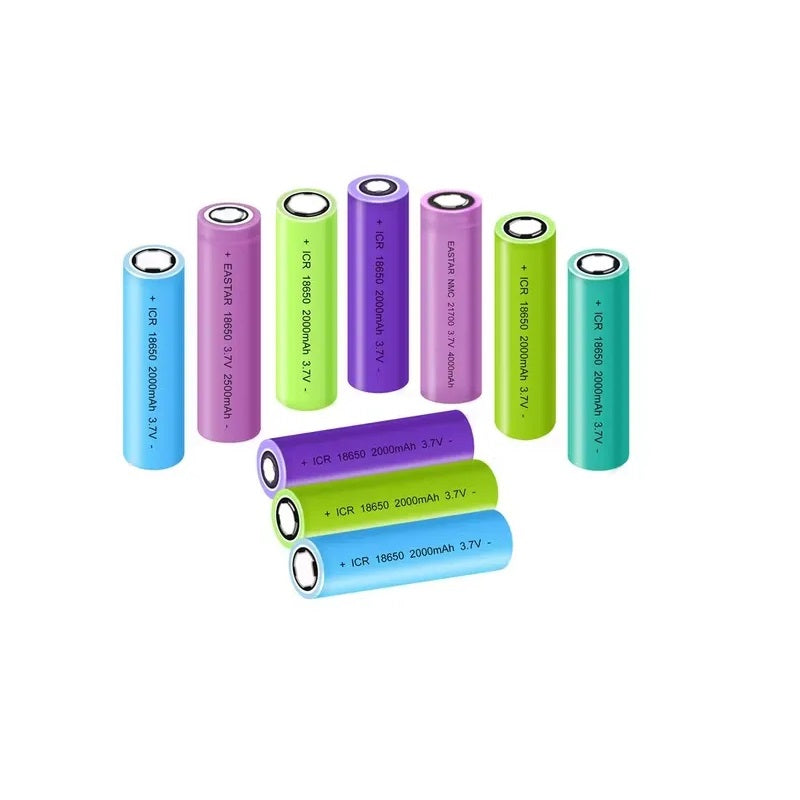
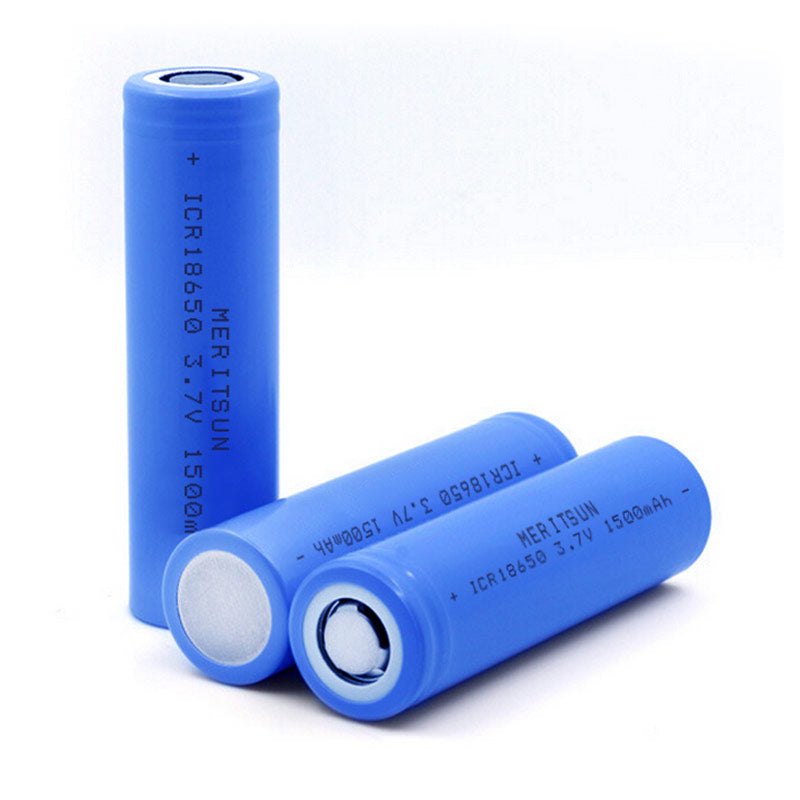
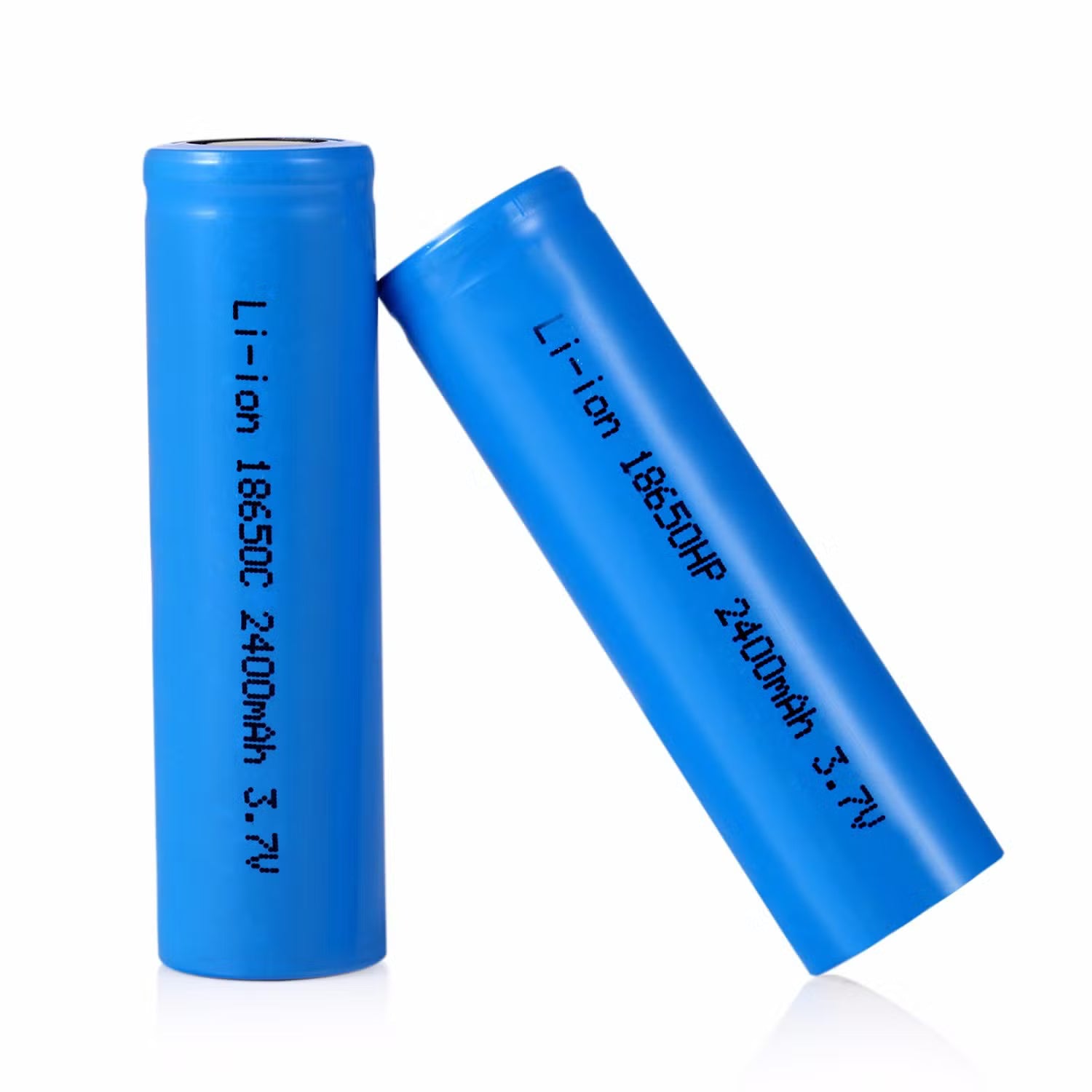
The Generic 3.7V 18650 Lithium-Ion Rechargeable Cell is an economical and widely used battery designed for DIY electronics, battery packs, robotics, and general-purpose applications. Available in 1C (standard discharge) and 3C (high discharge) variants, it provides flexibility based on current and runtime requirements.
These cells follow the standard 18650 cylindrical format (18mm × 65mm) and typically offer capacities ranging from 1200mAh to 2600mAh, making them suitable for a variety of low to moderate power applications.
The 1C variant is optimized for longer runtime and stable output, while the 3C variant is designed for higher current delivery, suitable for motors and load-heavy circuits.
Key Features
- Standard 18650 cylindrical size (18×65mm)
- Nominal voltage: 3.7V (4.2V fully charged)
- Available in 1C and 3C discharge variants
- Cost-effective solution for DIY and bulk usage
- Suitable for series and parallel battery pack assembly
- Rechargeable with moderate cycle life
Variants – 1C vs 3C
| Variant | Discharge Rate | Best For | Typical Capacity |
|---|---|---|---|
| 1C | Standard discharge | LED, IoT, power banks | 1200–2600mAh |
| 3C | High discharge | Motors, robotics, drivers | 1500–2600mAh |
Quick Selection Guide
- Choose 1C → For long backup & low current devices
- Choose 3C → For high current & motor-based projects
Specifications (typical)
- Type: Lithium-Ion Rechargeable Cell
- Model: 18650
- Nominal Voltage: 3.7V
- Full Charge Voltage: 4.2V
- Capacity: ~1200mAh – 2600mAh
- Discharge Rate: 1C / 3C
- Chemistry: Li-ion (NMC based typical)
- Size: 18mm × 65mm
- Recharge Cycles: ~300–500
Applications
- DIY battery packs (2S, 3S, 4S configurations)
- Robotics and motor driver systems
- LED lighting and backup
- Power banks and portable electronics
- Arduino, ESP32, and IoT devices
Important Safety Notes
- Always use with a BMS/protection circuit
- Charge using Li-ion CC/CV charger (4.2V)
- Avoid short circuit, overcharge, or overheating
- Avoid mixing different capacities or brands
Low-cost generic cells may have inconsistent capacity or quality, so they are best suited for non-critical applications. Studies have shown cheaper cells can sometimes have reliability and safety variations compared to branded cells.