
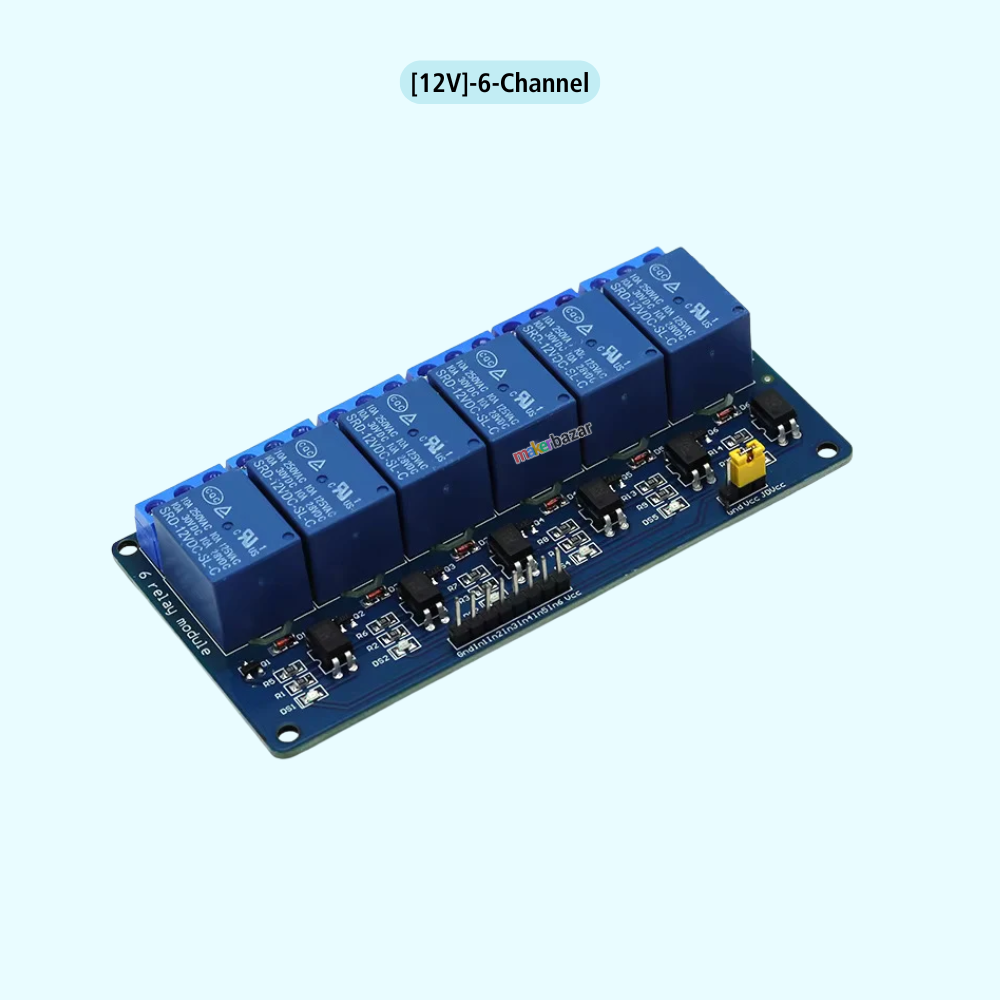
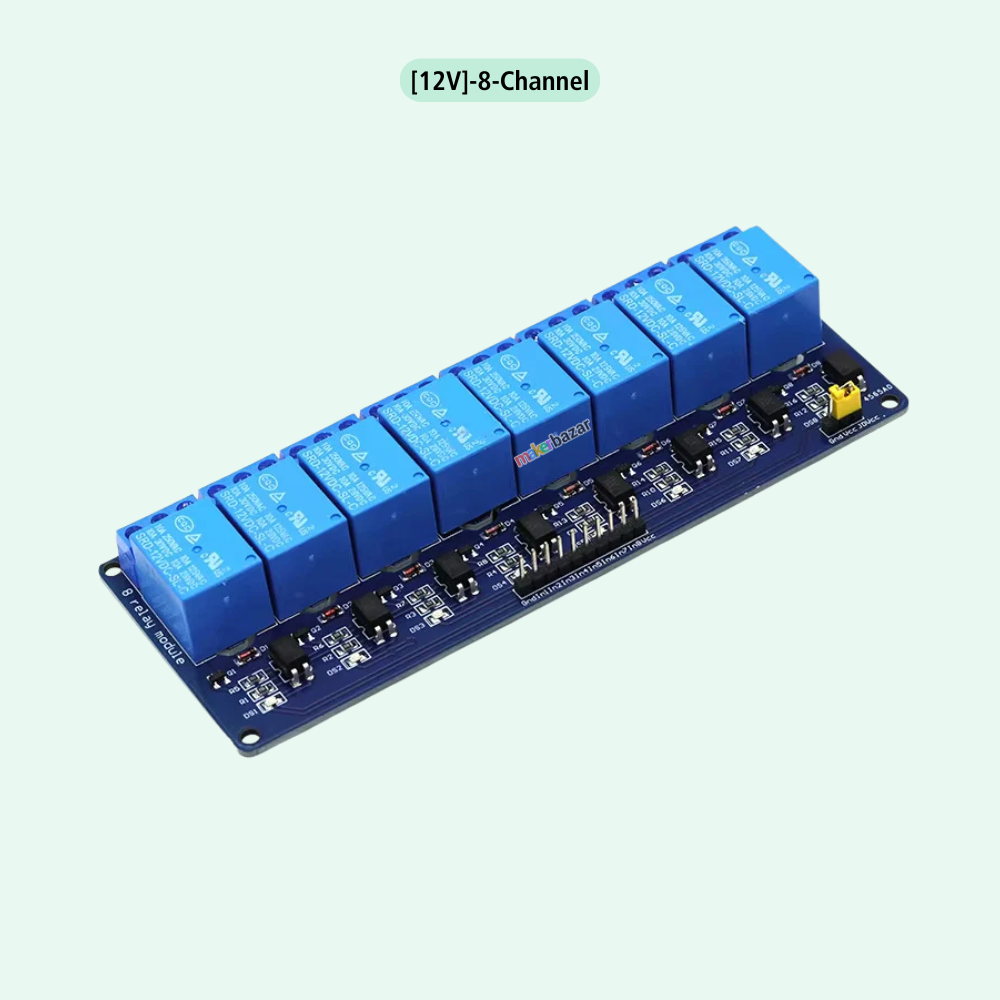
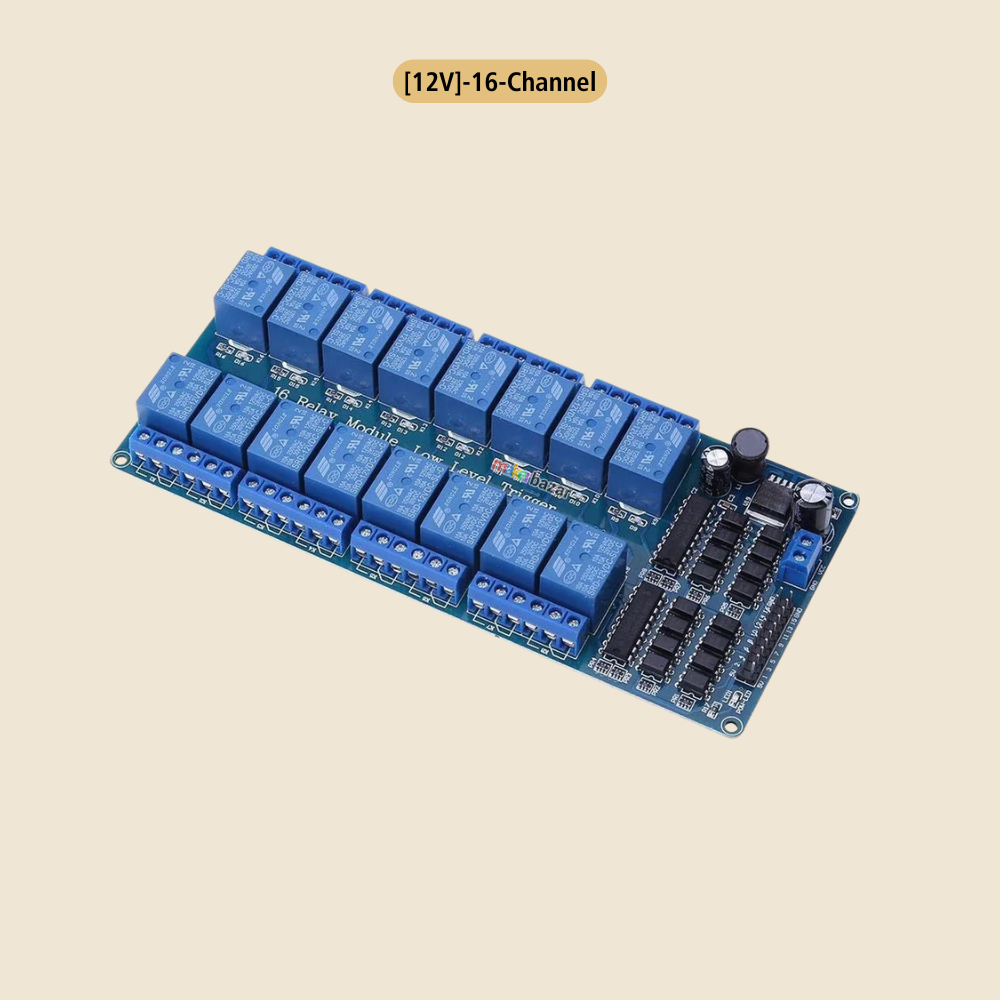
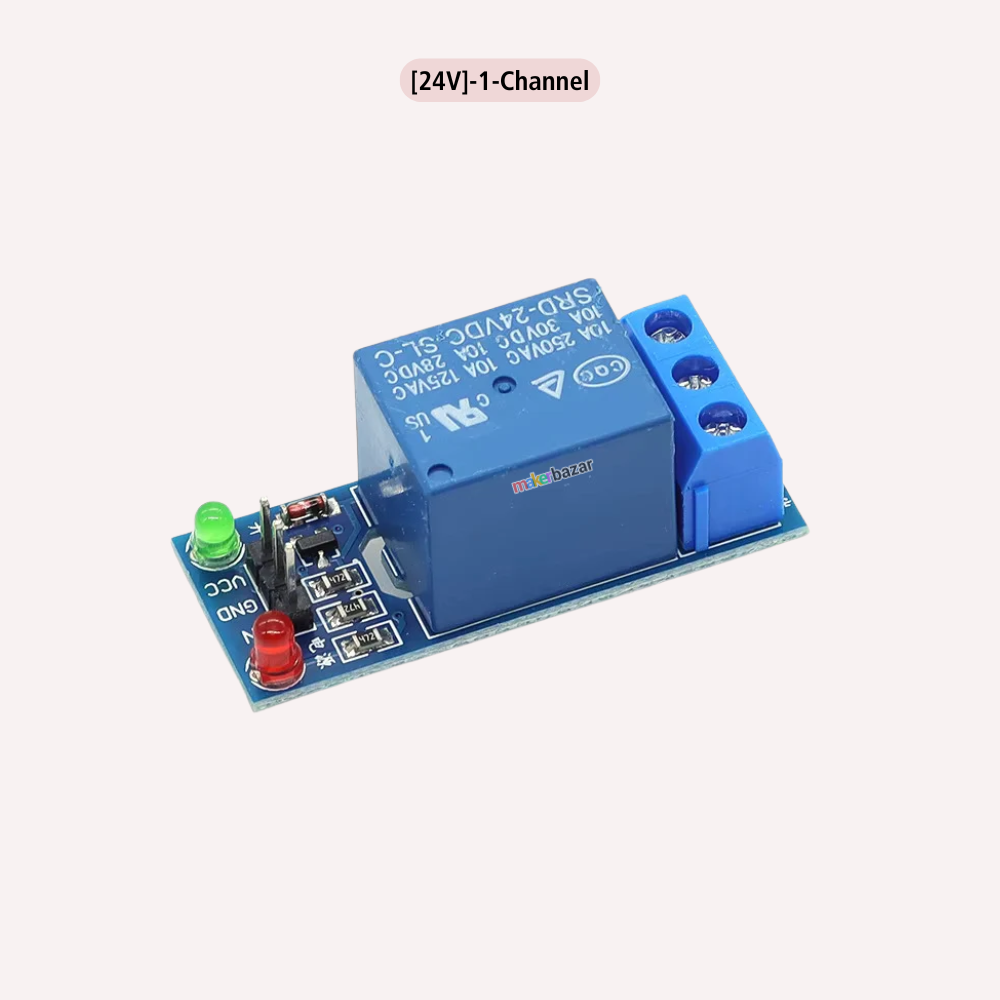


Description
Low Level Trigger Opto coupler Isolation Relay Module
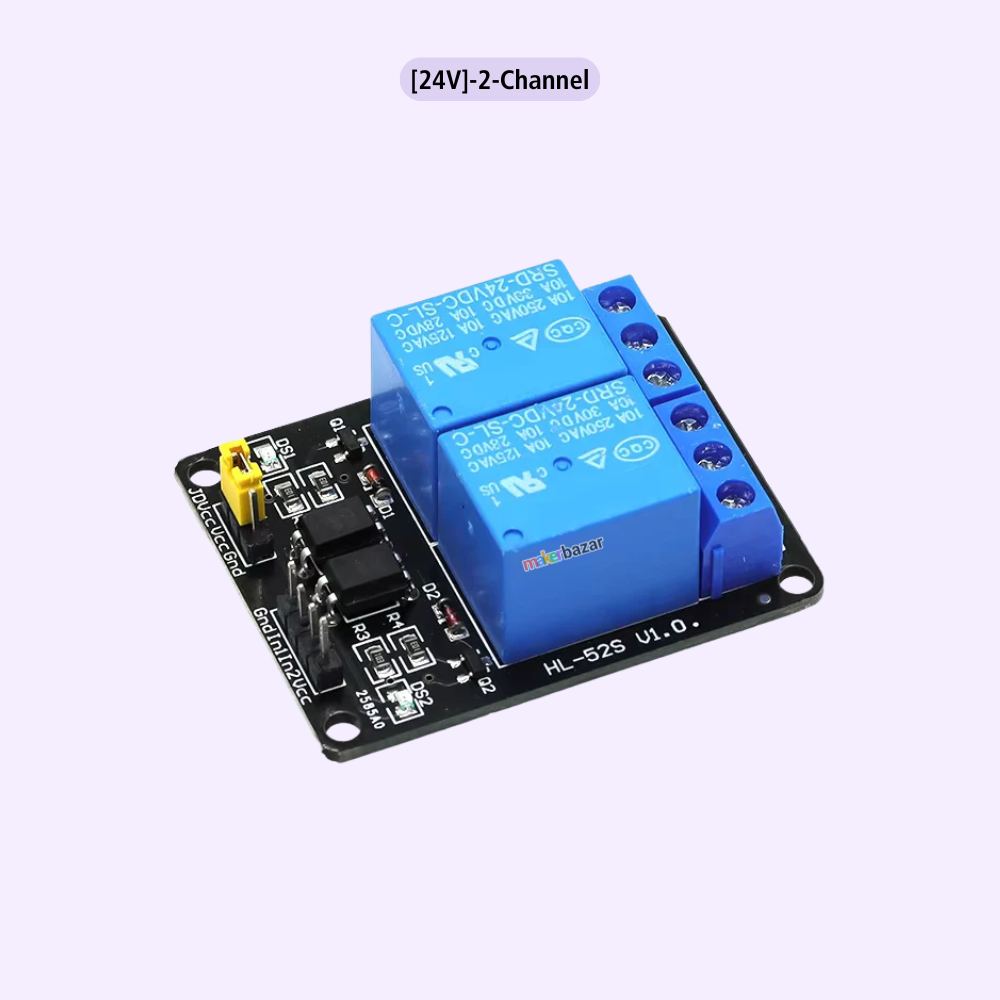
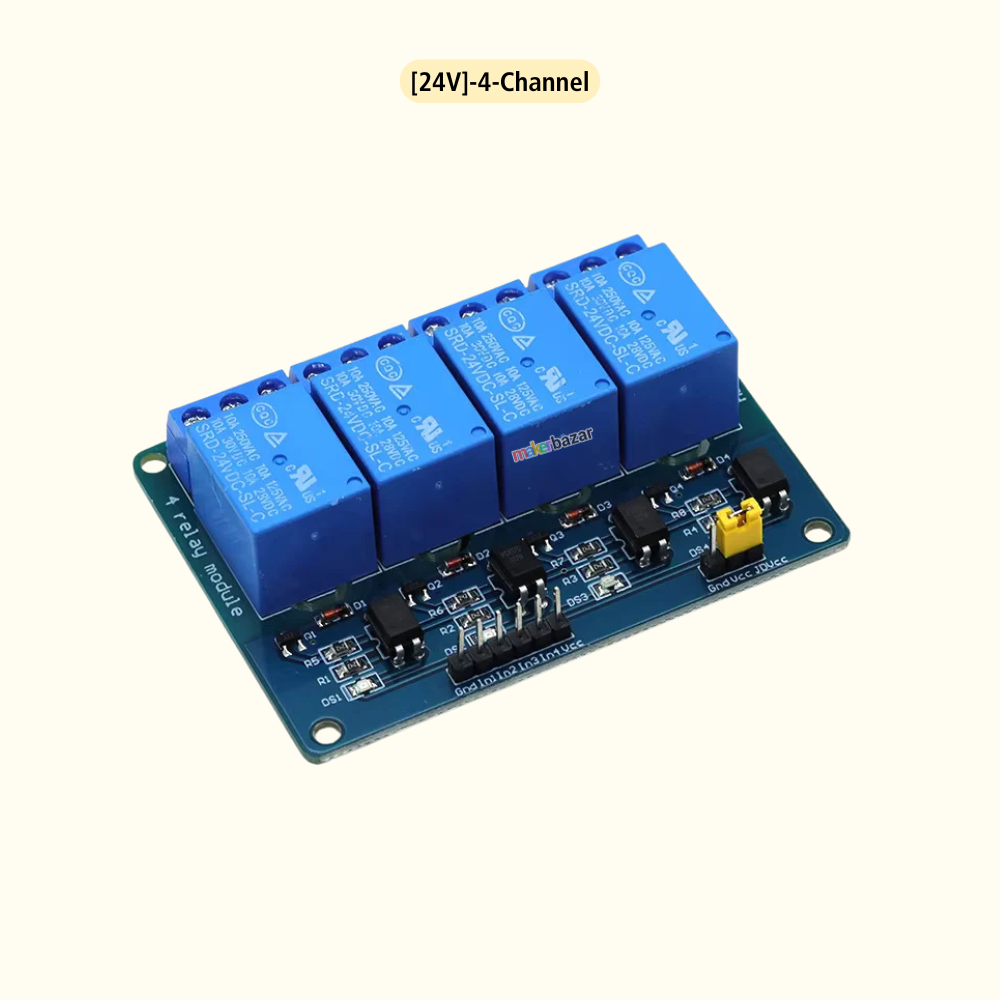
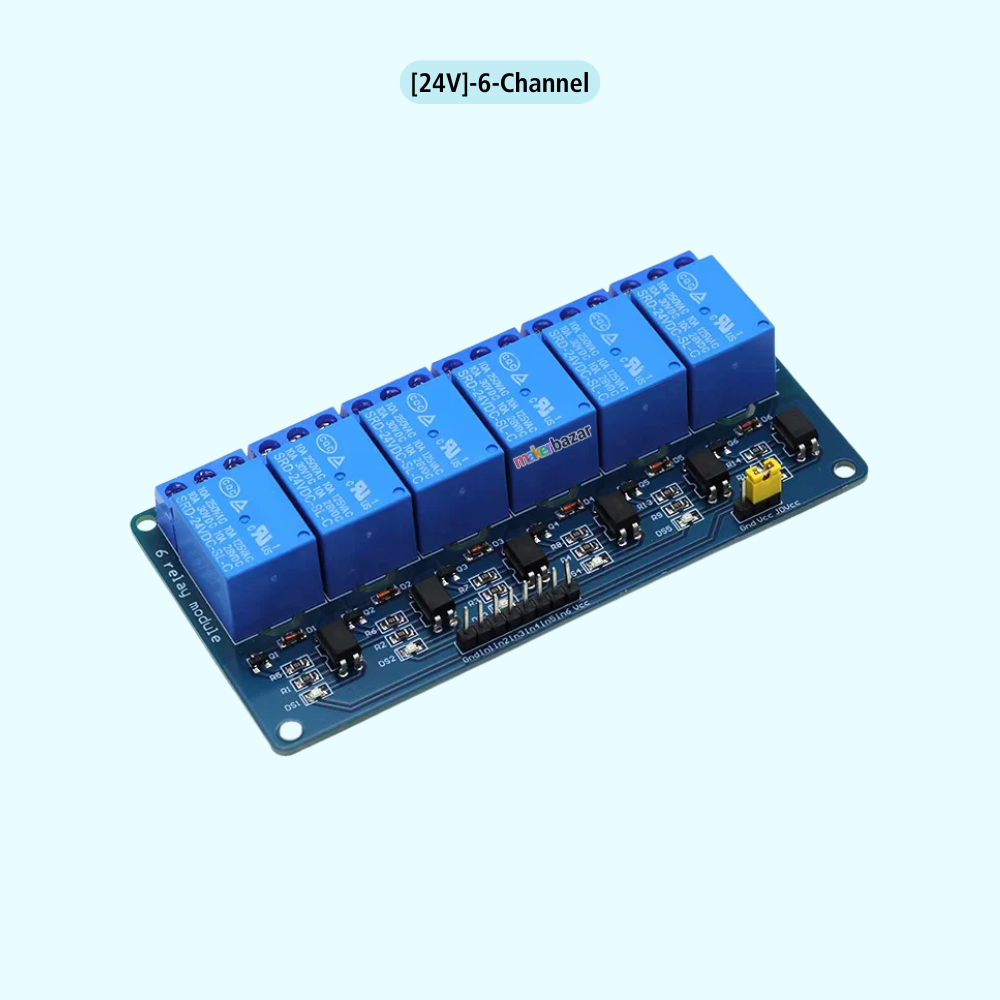
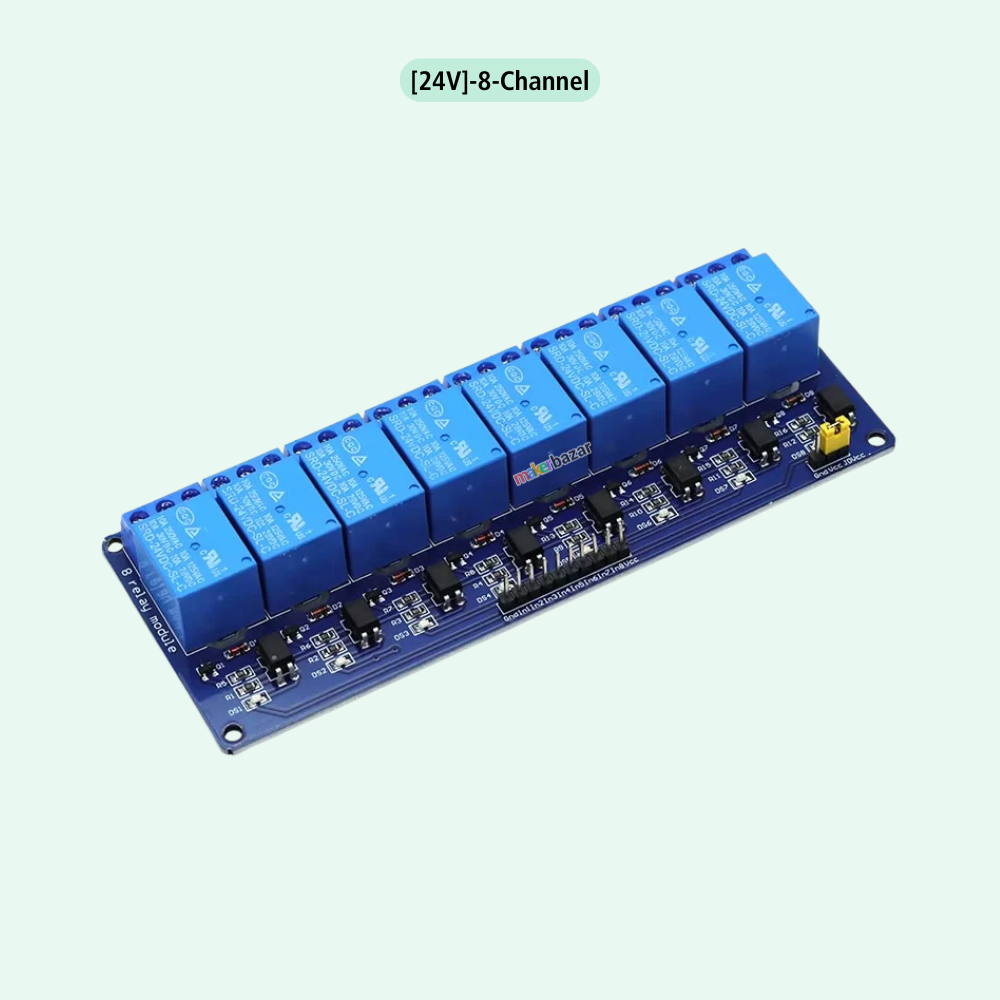
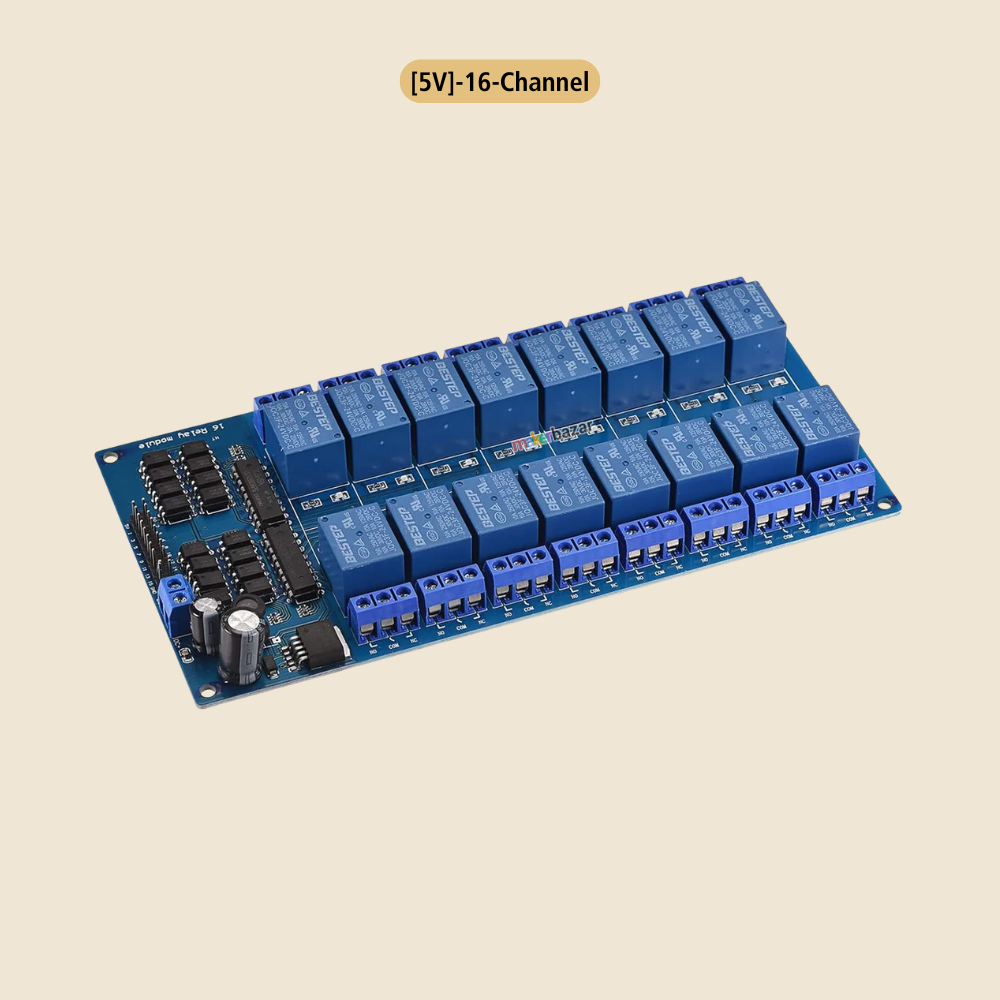
The Blue Low Level Trigger Optocoupler Relay Module is a relay control board designed to allow microcontrollers and control circuits to safely switch electrical loads. It uses optocoupler isolation between the input control section and the relay/load section, helping protect sensitive control circuitry from the switching side.
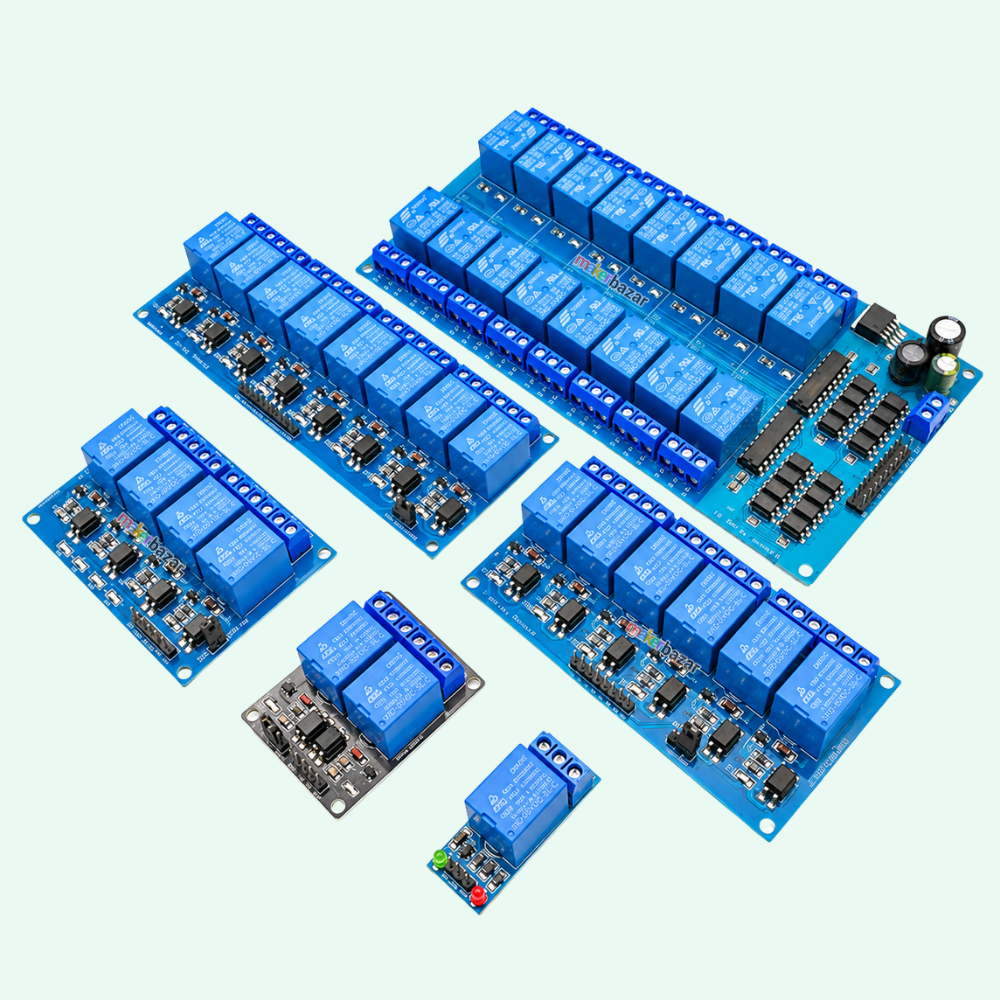
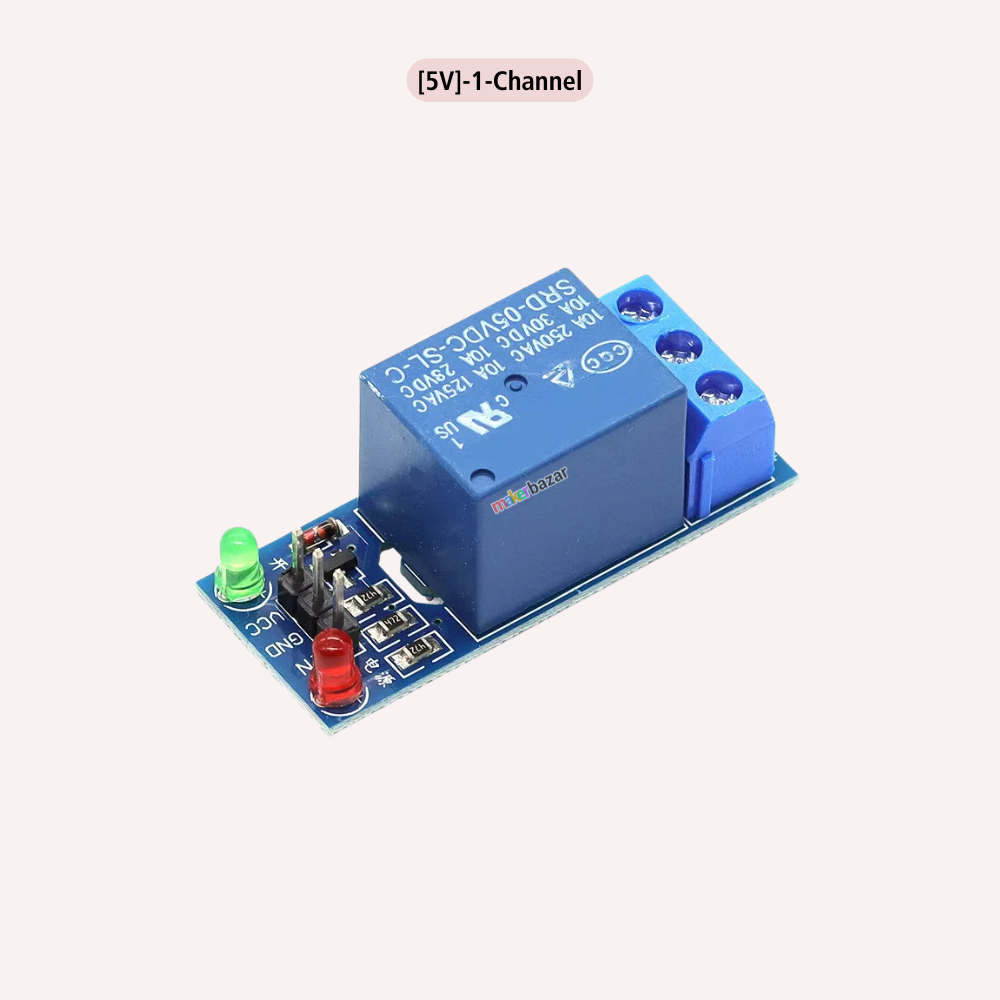
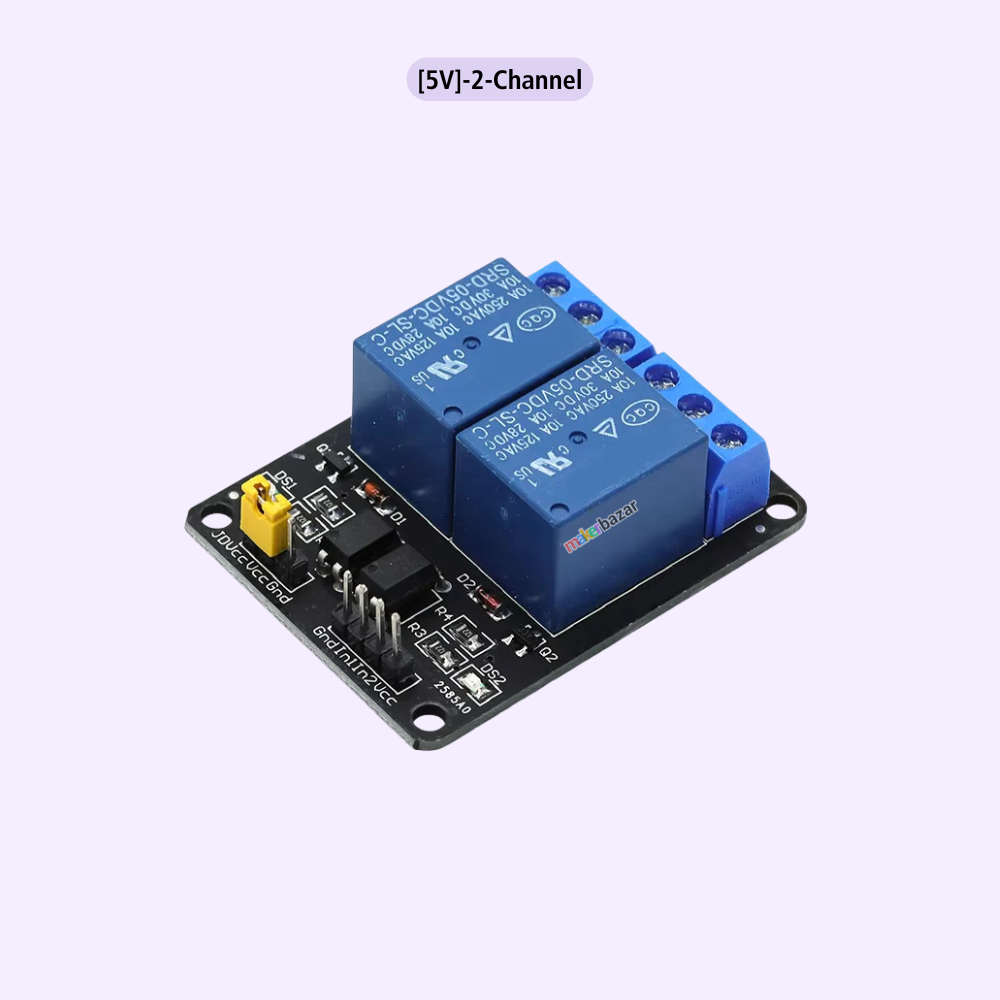
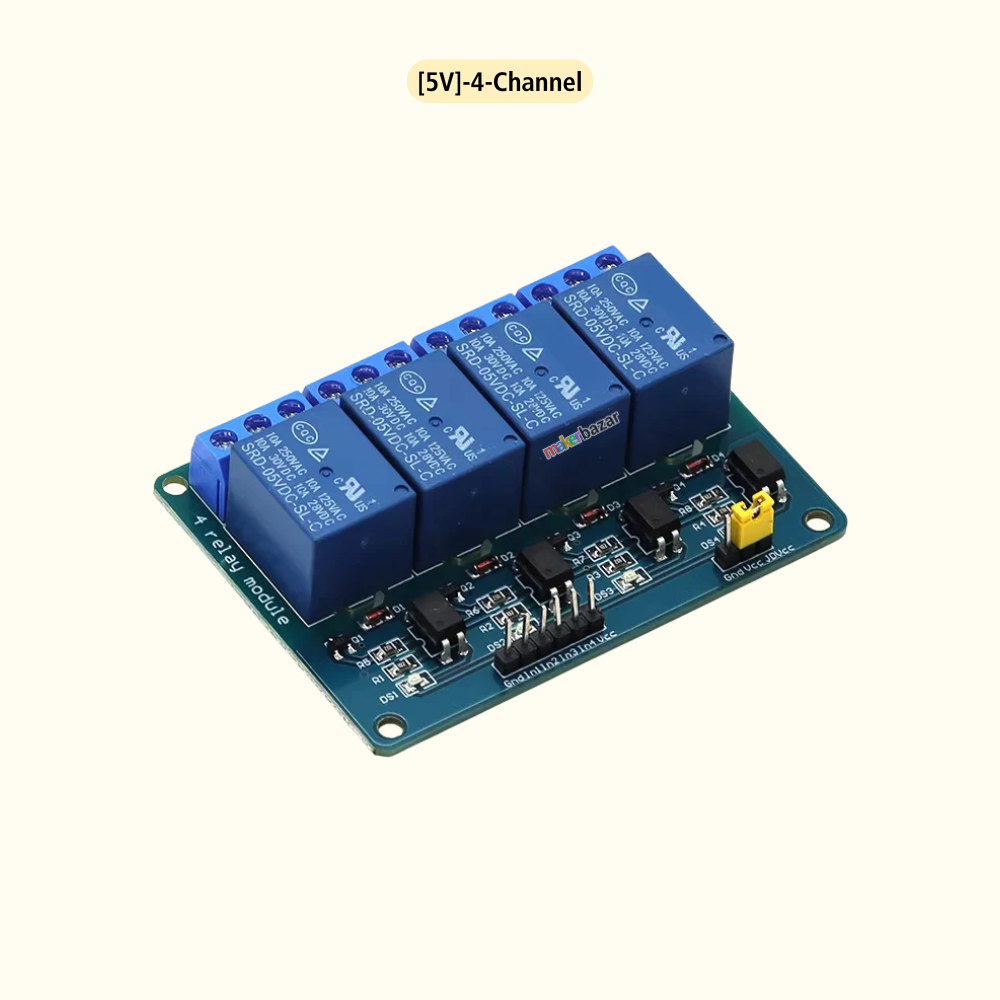
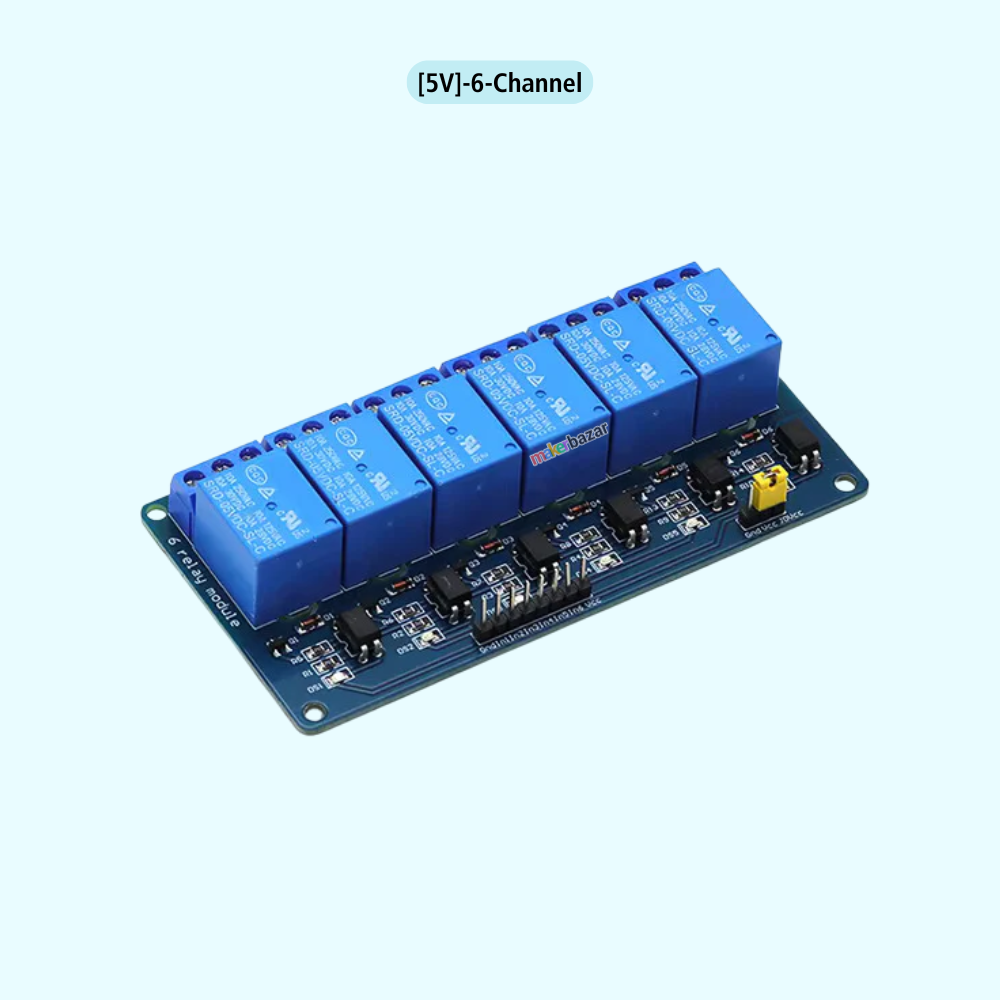
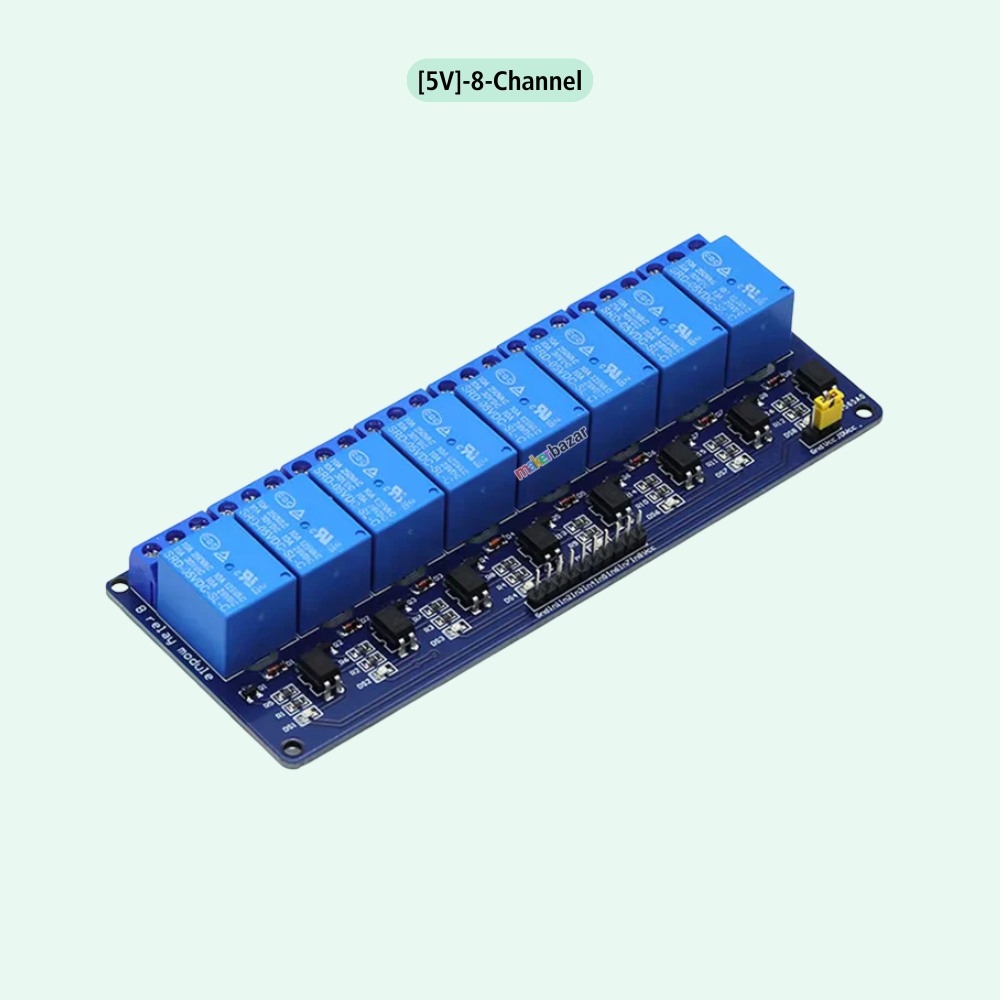
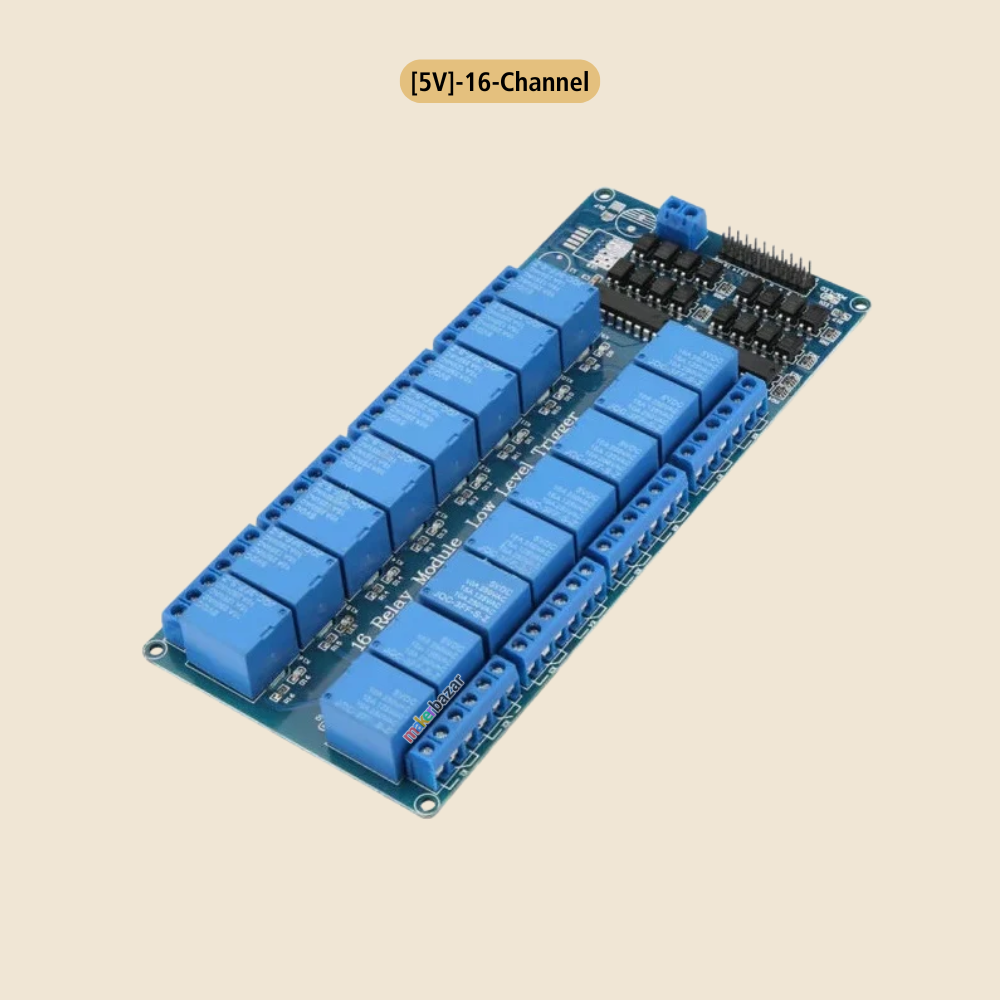
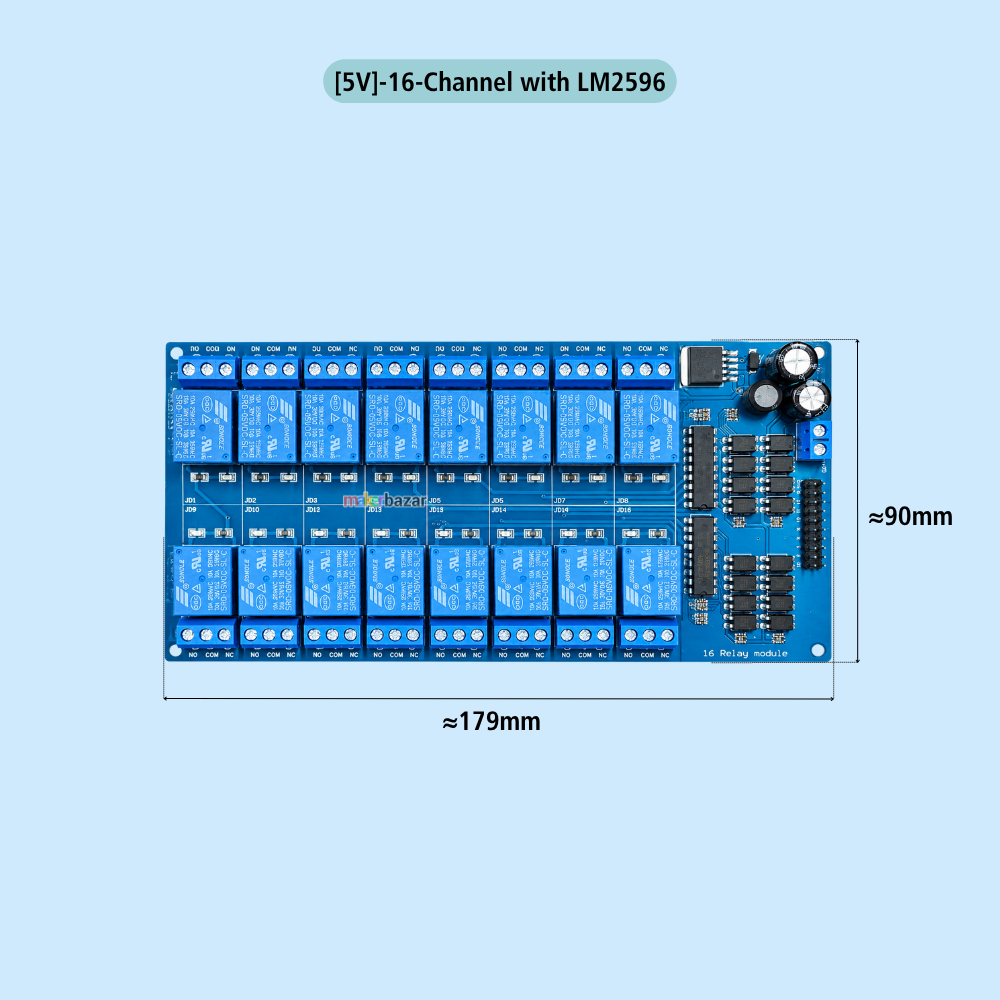
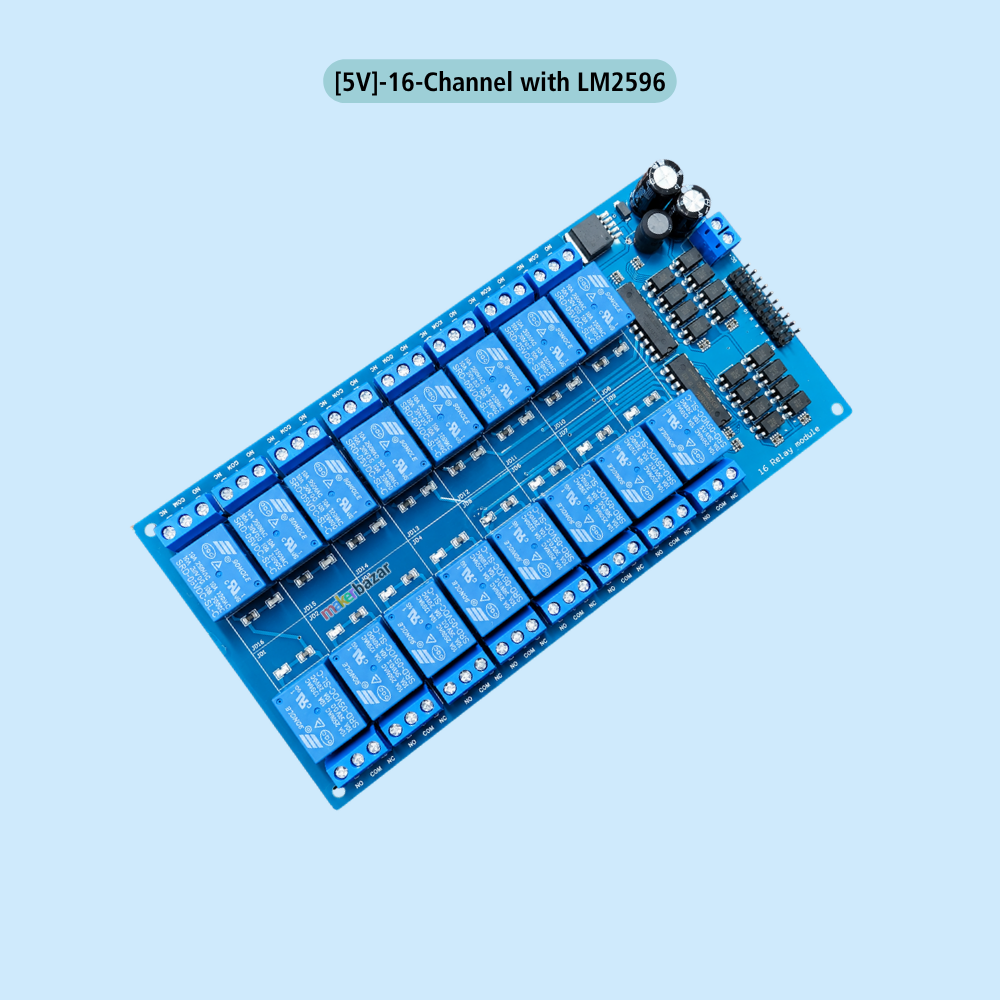
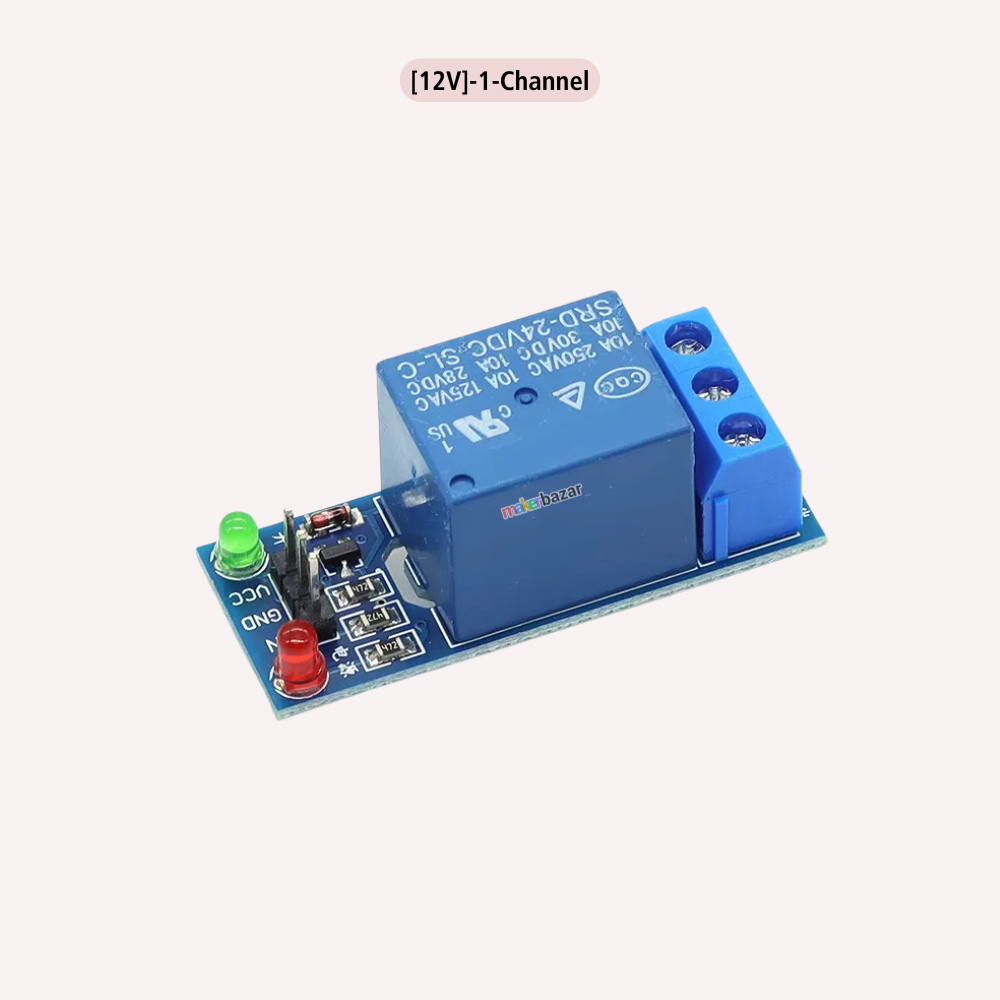
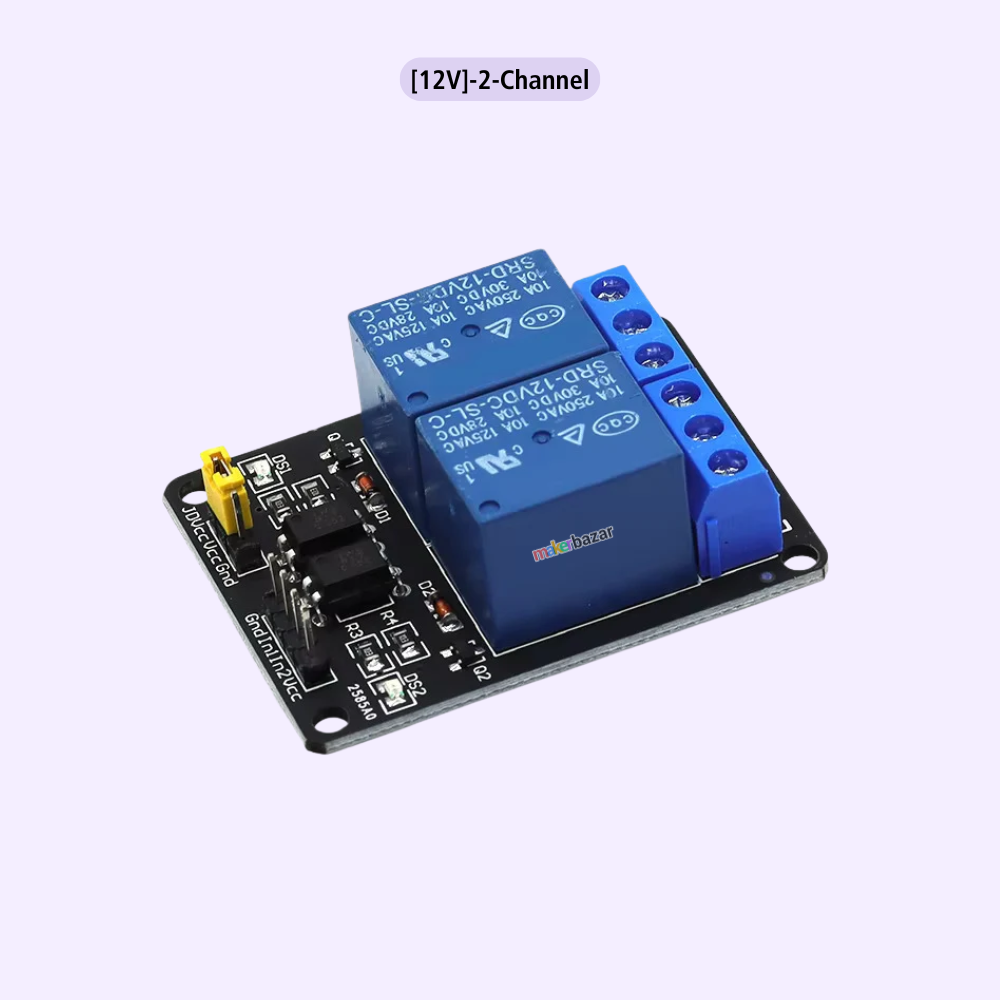
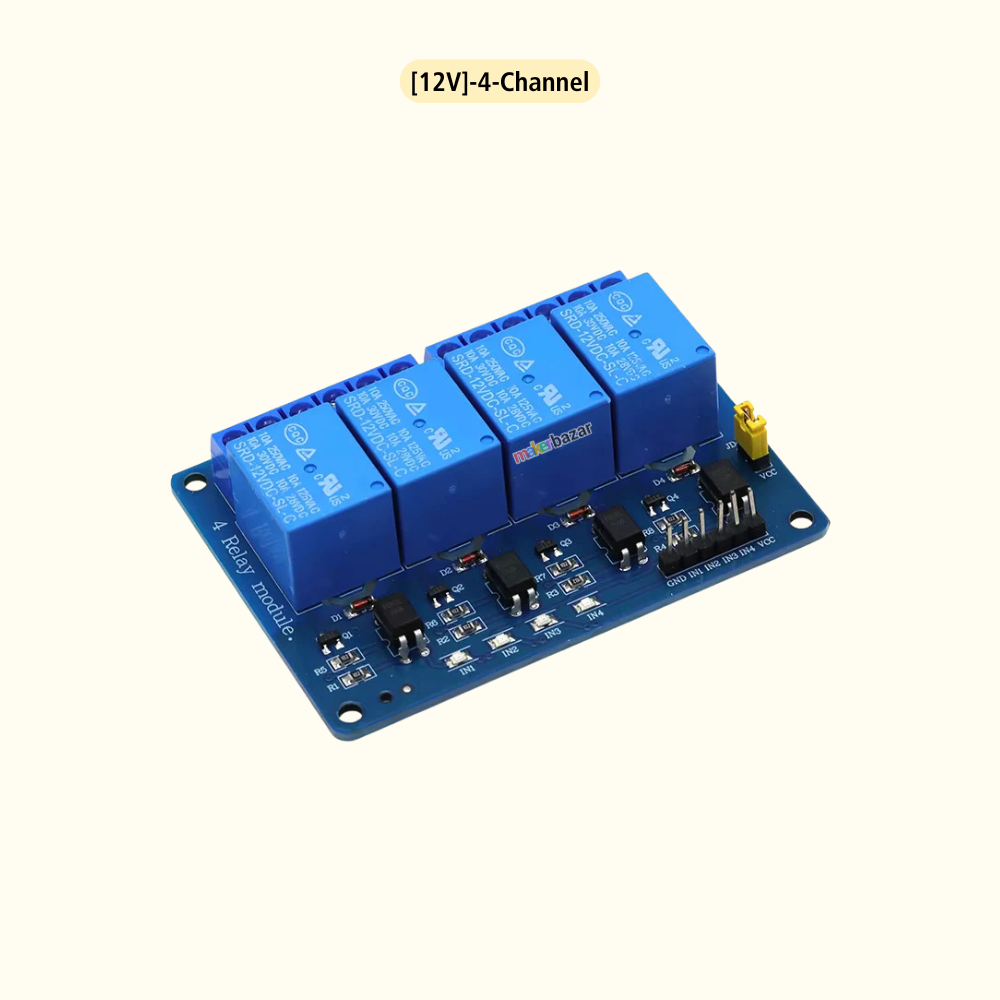
Available in 1, 2, 4, 6, 8, and 16-channel configurations, with trigger voltage options of 5V, 12V, and 24V DC, this module can be used with a wide range of controllers and automation systems.
The module uses a low-level trigger, meaning the corresponding relay channel is activated when its input signal is pulled to a low/GND level. It can be controlled using popular platforms such as Arduino, AVR, PIC, ARM, and other compatible microcontrollers.
The relay contacts support switching loads up to 250V AC at 10A or 30V DC at 10A, subject to the relay and application conditions.
Key Features
- Low-level trigger relay module.
- Optocoupler-isolated input control.
- Available in 1/2/4/6/8/16-channel configurations.
- Trigger voltage options: 5V, 12V, and 24V DC.
- Helps isolate sensitive control circuitry from relay switching circuits.
- Supports microcontrollers such as Arduino, AVR, PIC, and ARM.
- Relay switching capacity up to 250V AC @ 10A.
- Relay switching capacity up to 30V DC @ 10A.
- Suitable for AC and DC load switching.
- Useful for automation, appliances, robotics, and DIY projects.
Technical Specifications
| Specification | Details |
|---|---|
| Product Type | Optocoupler Relay Module |
| Trigger Type | Low Level Trigger |
| Available Channels | 1 / 2 / 4 / 6 / 8 / 16 |
| Trigger Voltage | 5V / 12V / 24V DC |
| Input Isolation | Optocoupler |
| AC Switching Rating | 250V AC @ 10A |
| DC Switching Rating | 30V DC @ 10A |
| Control Platforms | Arduino, AVR, PIC, ARM & Compatible Controllers |
| Load Type | AC or DC |
| Application | Automation, Appliance Control, Robotics, DIY |
| Relay Type | Electromechanical Relay |
Low-Level Trigger Operation
In low-level trigger mode, the relay channel is activated when the corresponding input signal is brought to a LOW/GND level.
This allows a compatible microcontroller or control circuit to activate the relay by pulling the input signal low.
Applications
- Arduino relay control projects.
- Home automation systems.
- Appliance switching.
- Industrial control prototypes.
- Robotics projects.
- Motor and actuator control.
- Lighting control.
- AC/DC load switching.
- DIY automation projects.
- Embedded control systems.
- Smart home projects.
- Microcontroller-based switching applications.
Precautions
- Verify the module's trigger voltage before connecting it to your controller.
- Use a compatible 5V, 12V, or 24V version as required.
- Do not exceed the specified relay contact ratings.
- Ensure correct wiring of the input, power, common, NO, and NC terminals.
- Disconnect power before changing wiring or connections.
- High-voltage AC connections should only be handled by a qualified person.
- Use appropriate insulation, enclosure, fuse, and wiring for mains-voltage applications.
- Keep the control circuitry and high-voltage load wiring properly separated.
- Do not assume the relay rating applies to every type of load; inductive loads may require additional protection.
- Confirm the number of channels and trigger voltage before ordering.
Note: On the high level and low level-triggered mode, friends who do not understand, have a look: