


Description
Single Side Perforated Vero Board PCB Copper Zero Board
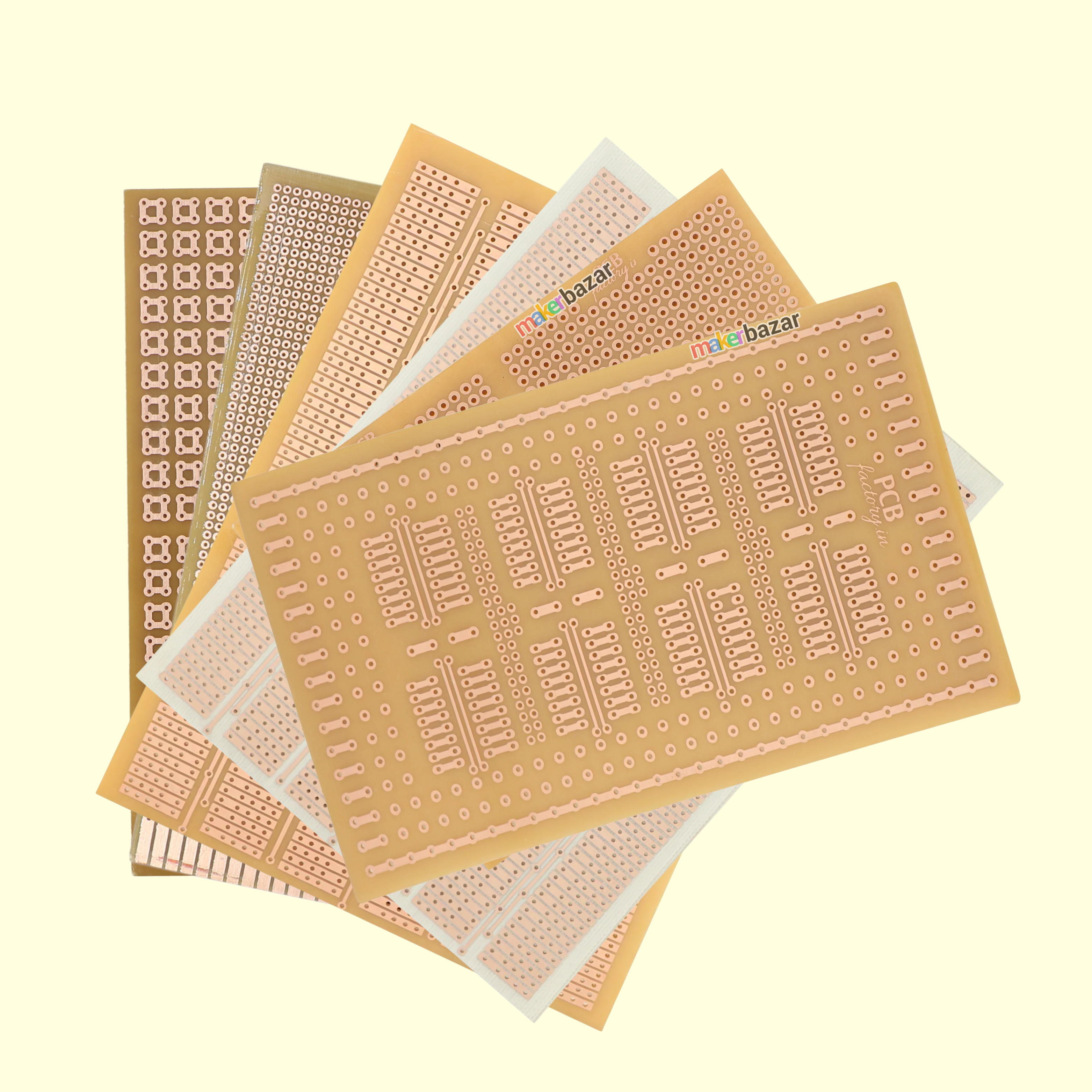
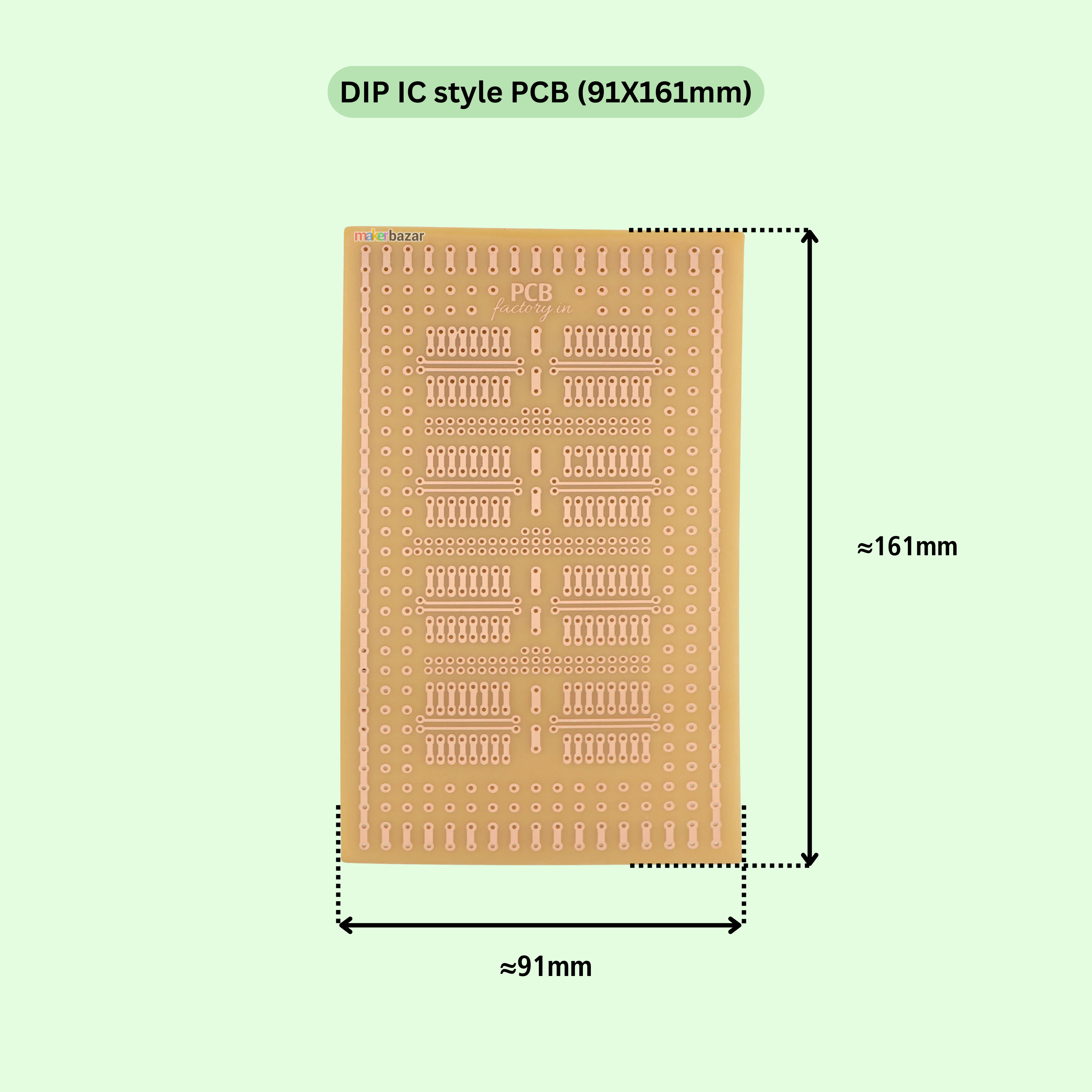
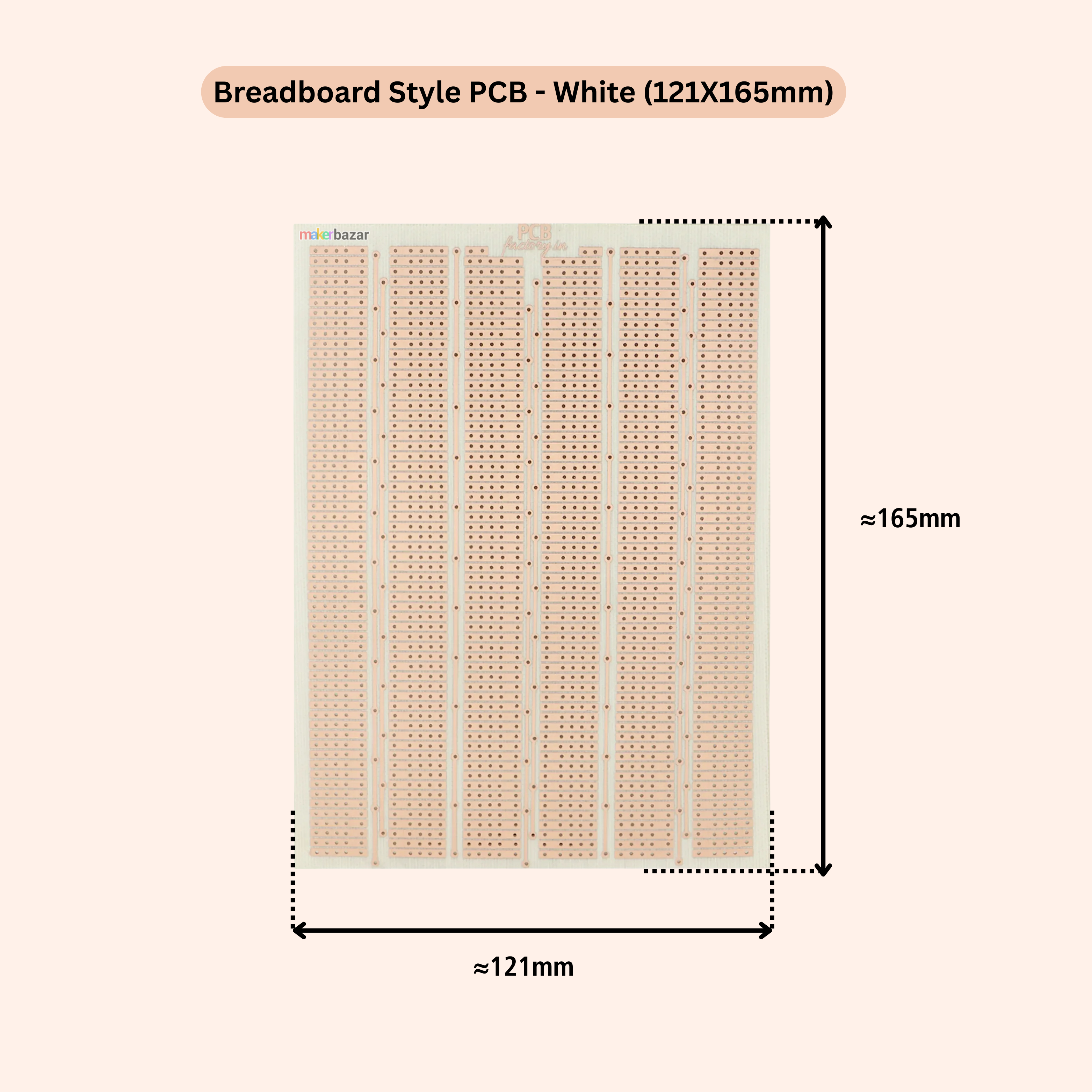
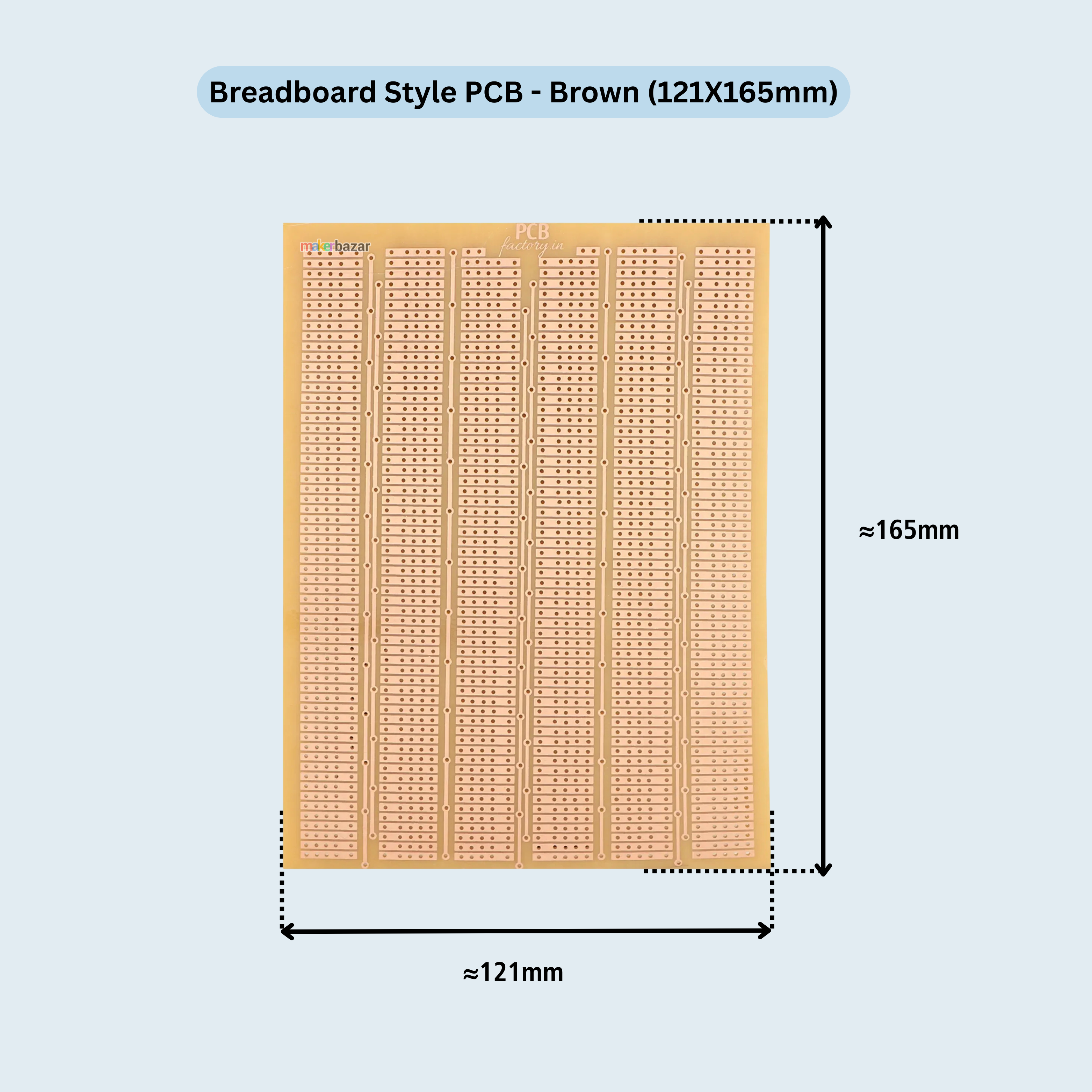
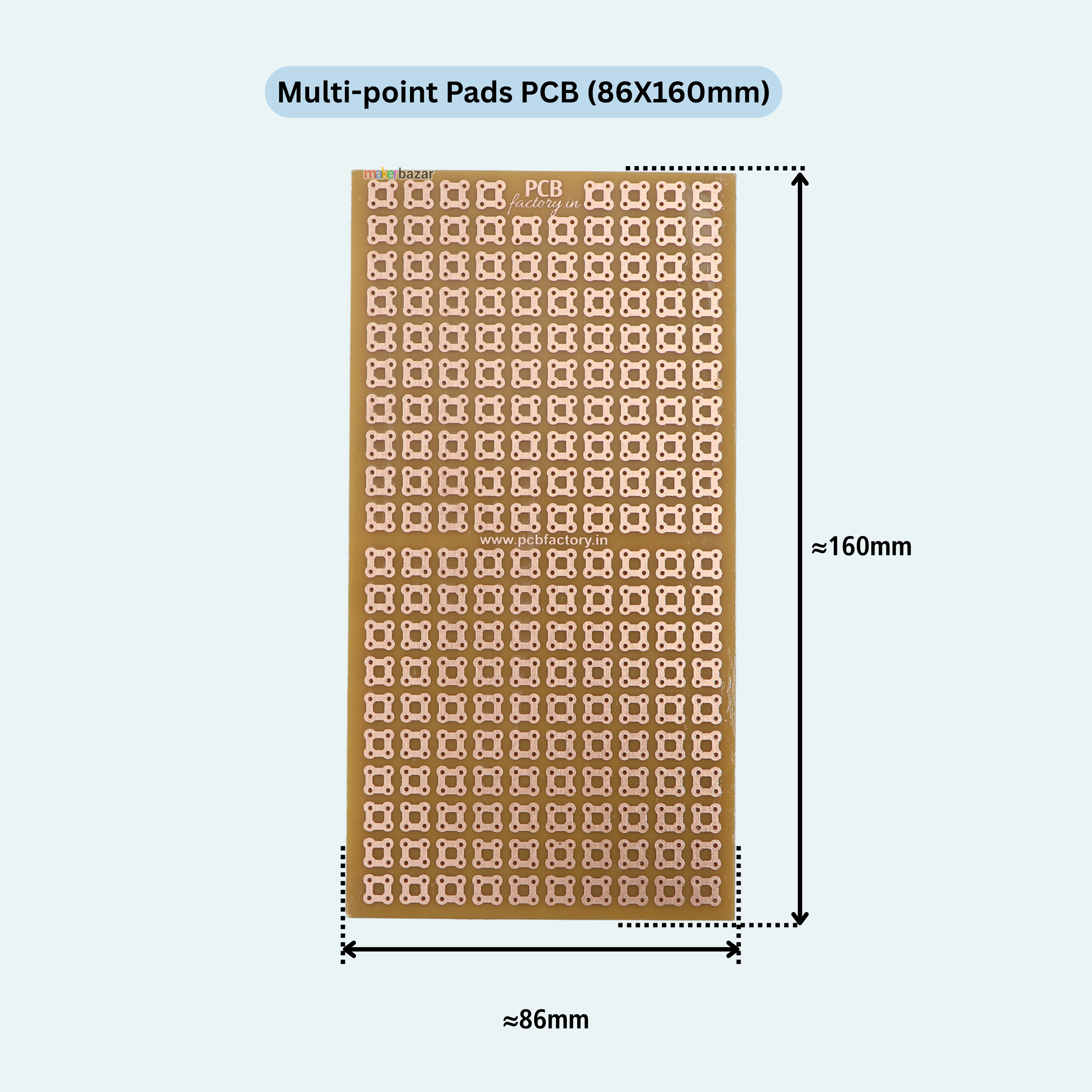
The Perforated Vero Board PCB (Zero Board) is a high-quality prototyping board designed for electronics development, circuit testing, and DIY projects. Made with a single-sided copper layer, this board allows easy soldering and reliable electrical connections.
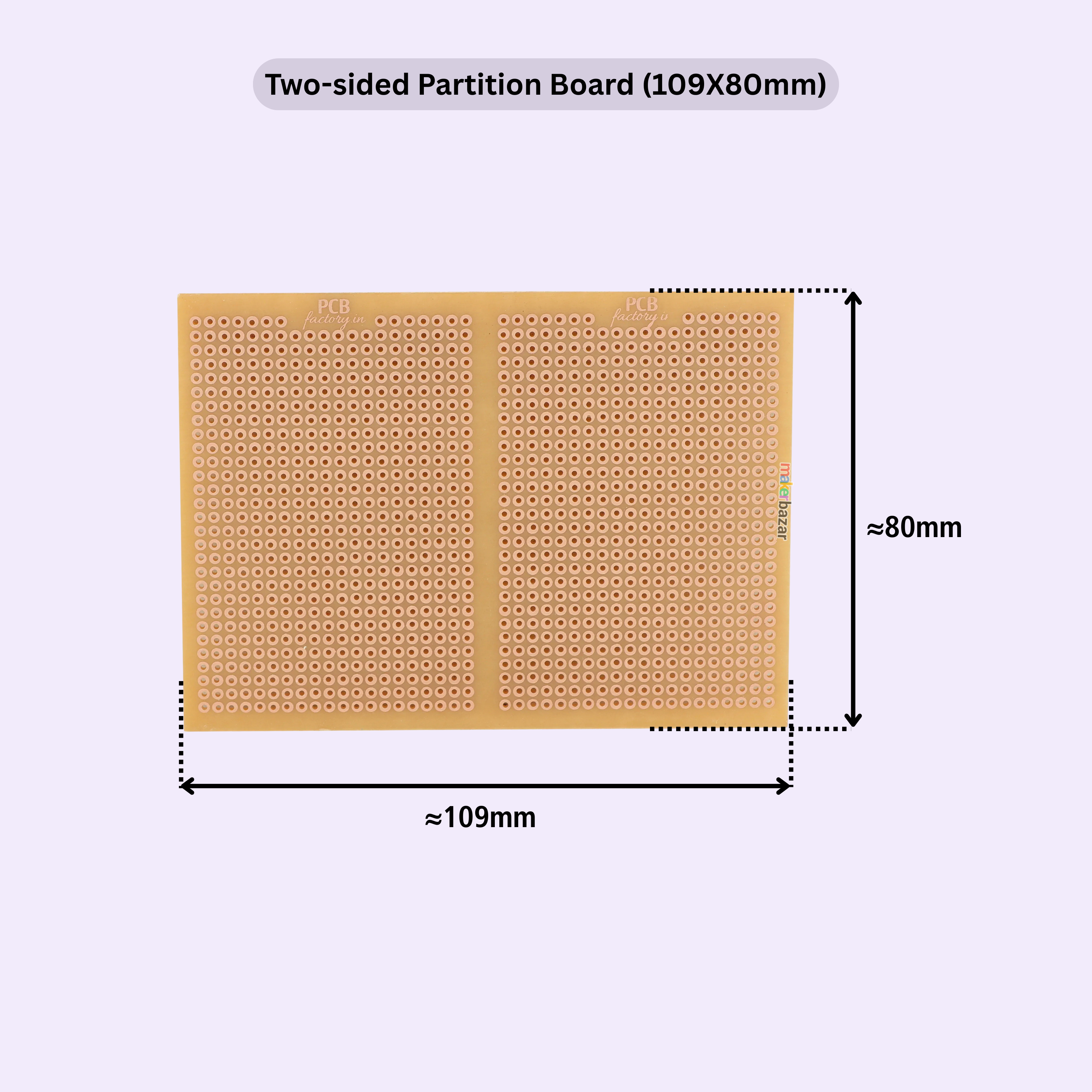
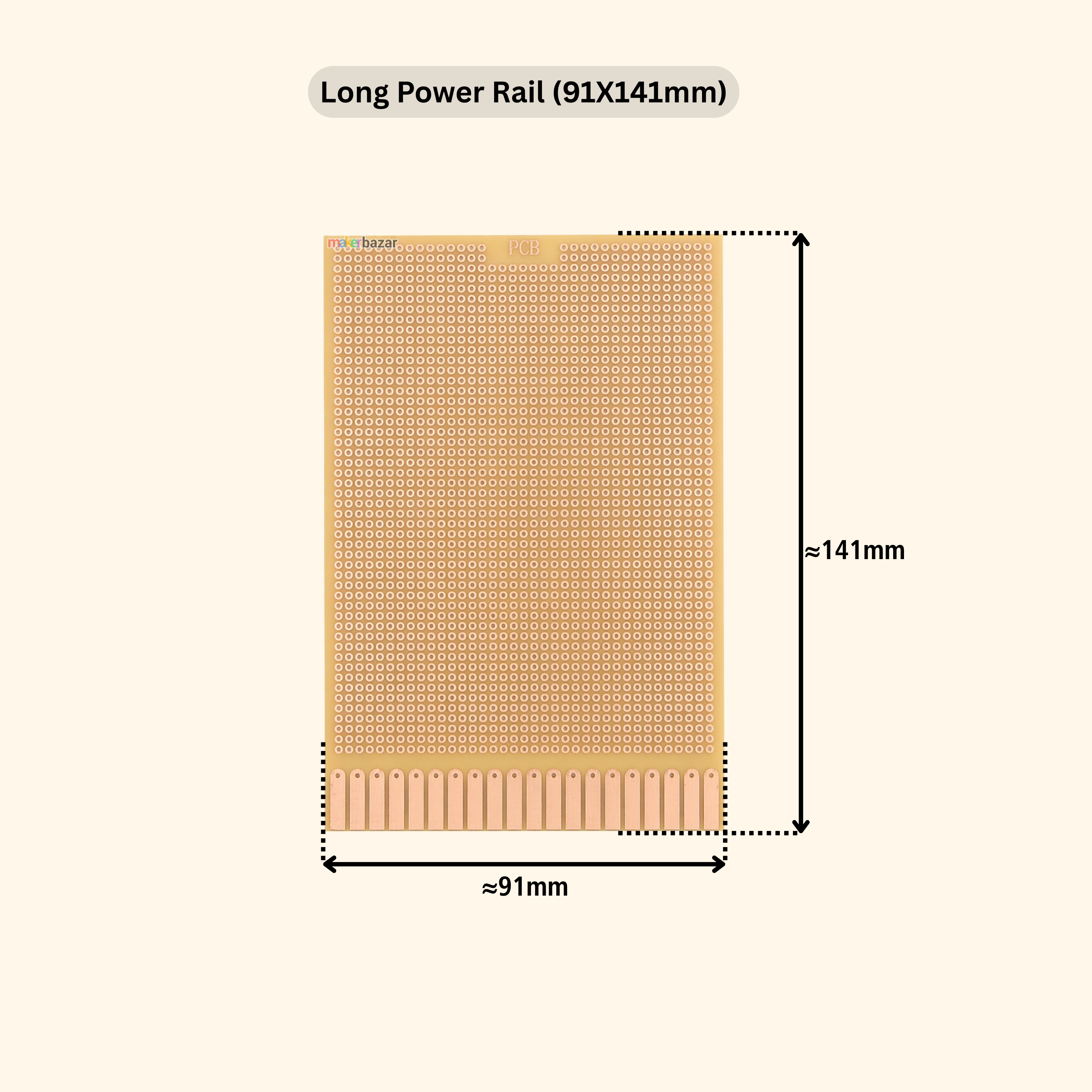
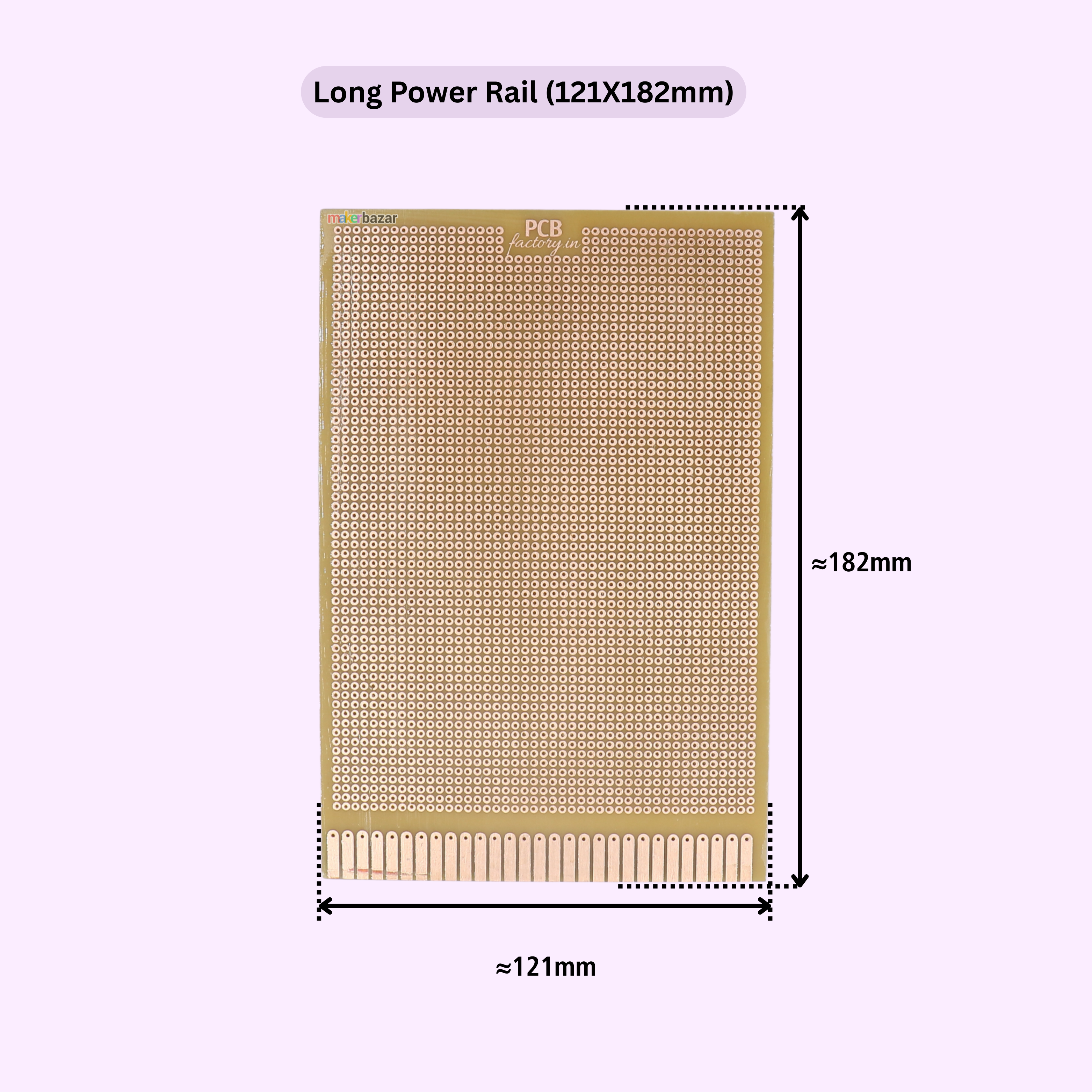
Featuring a grid of evenly spaced holes, it is perfect for assembling circuits using through-hole components without the need for custom PCB fabrication. The durable brown PCB base combined with copper pads ensures long-lasting performance and strong conductivity.
Ideal for students, hobbyists, and professionals, this vero board is widely used for rapid prototyping, circuit design testing, and educational electronics projects.
Key Features
- Single-Sided Copper PCB – Reliable conductivity and easy soldering.
- Perforated Design (Vero Board) – Uniform hole grid for circuit assembly.
- High-Quality Material – Durable and heat-resistant PCB base.
- Easy Prototyping – No need for custom PCB manufacturing.
- Strong Copper Adhesion – Prevents pad lifting during soldering.
- Compatible with Through-Hole Components – Ideal for resistors, ICs, connectors, etc.
- Customizable Layout – Easily cut and modify as needed.
- DIY Friendly – Perfect for learning and experimentation.
Technical Specifications
| Parameter | Specification |
|---|---|
| Product Type | Perforated PCB / Vero Board |
| PCB Type | Single-Sided |
| Material | Copper Clad Board (Brown) |
| Hole Type | Through Hole |
| Copper Layer | One Side |
| Grid Layout | Standard Pitch (Typically 2.54mm) |
| Usage | Prototyping & Circuit Design |
Applications
- Electronics Prototyping
- DIY Circuit Projects
- Educational Learning Kits
- Embedded System Development
- Repair & Circuit Modification
- Arduino & Microcontroller Projects
- Testing Electronic Circuits
Precautions
- Use proper soldering temperature to avoid pad damage.
- Ensure correct component placement before soldering.
- Avoid excessive force while cutting the board.
- Keep away from moisture to prevent oxidation.
- Handle edges carefully to avoid injury.