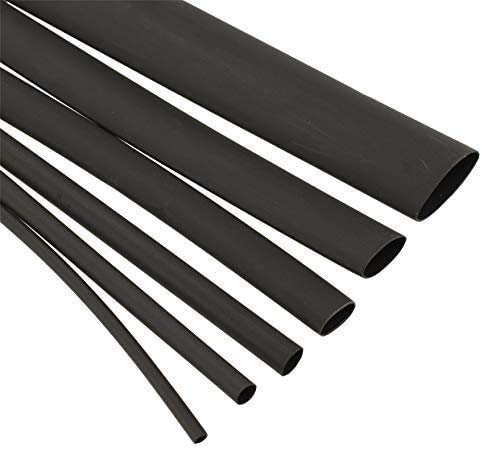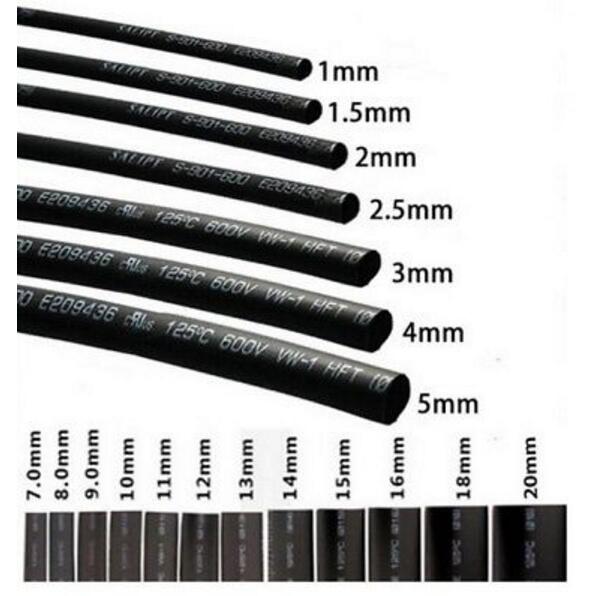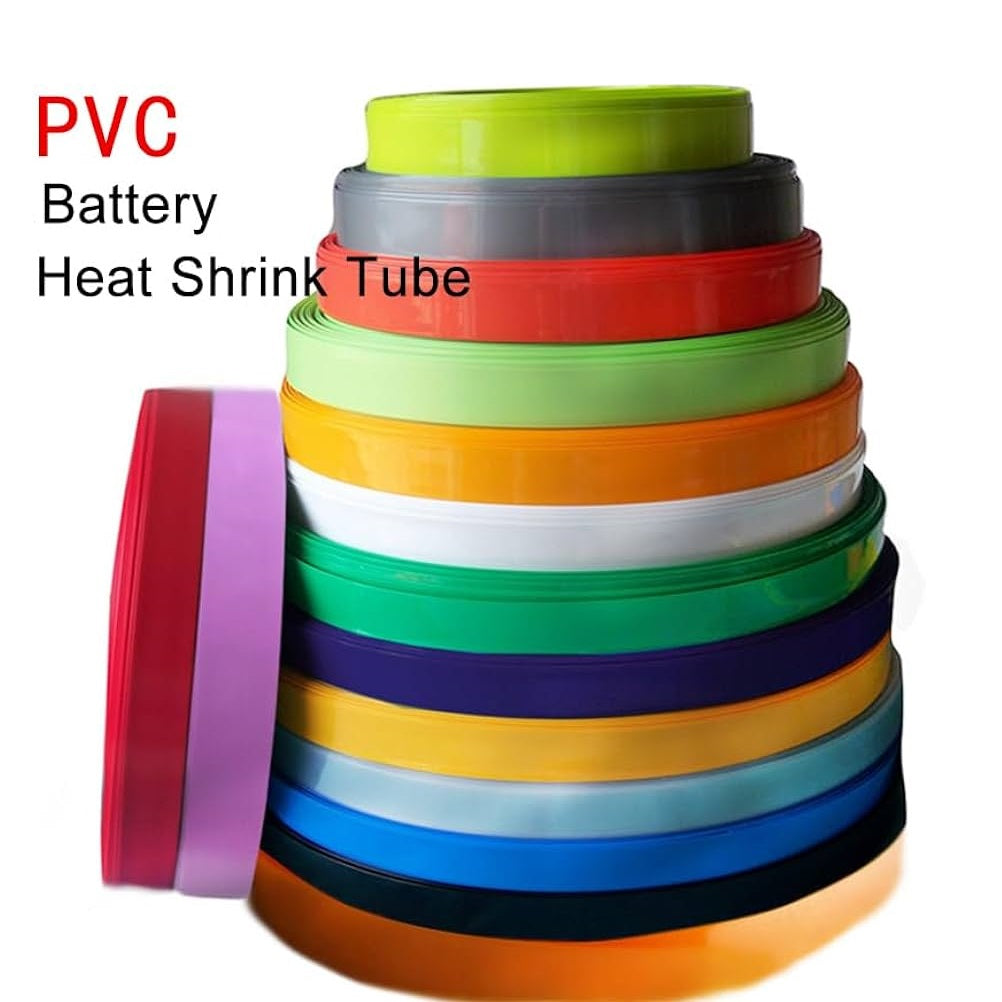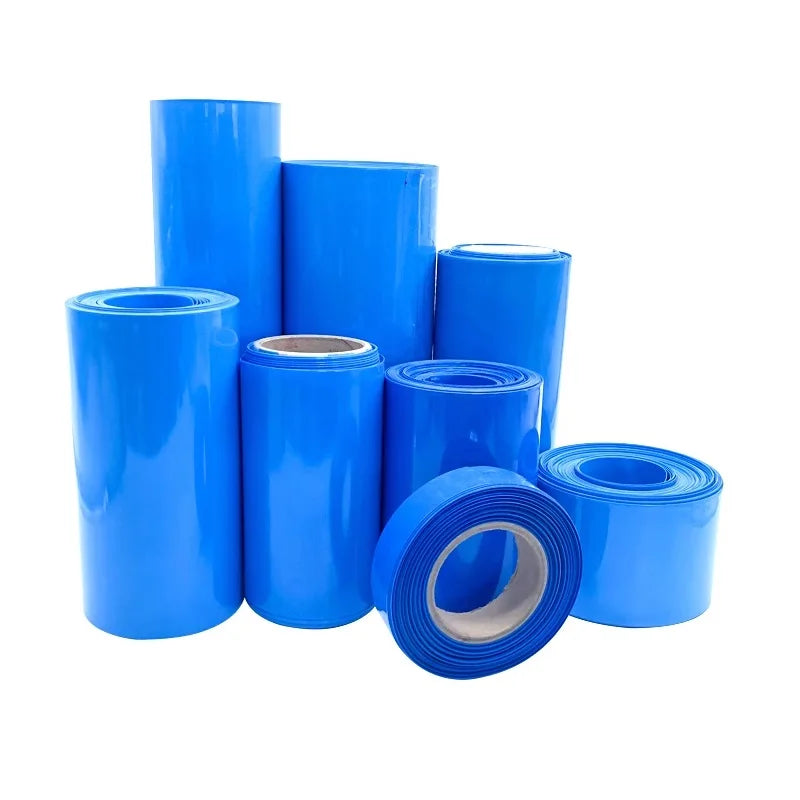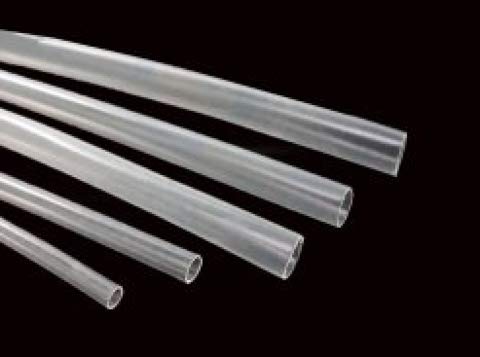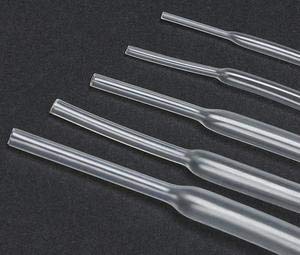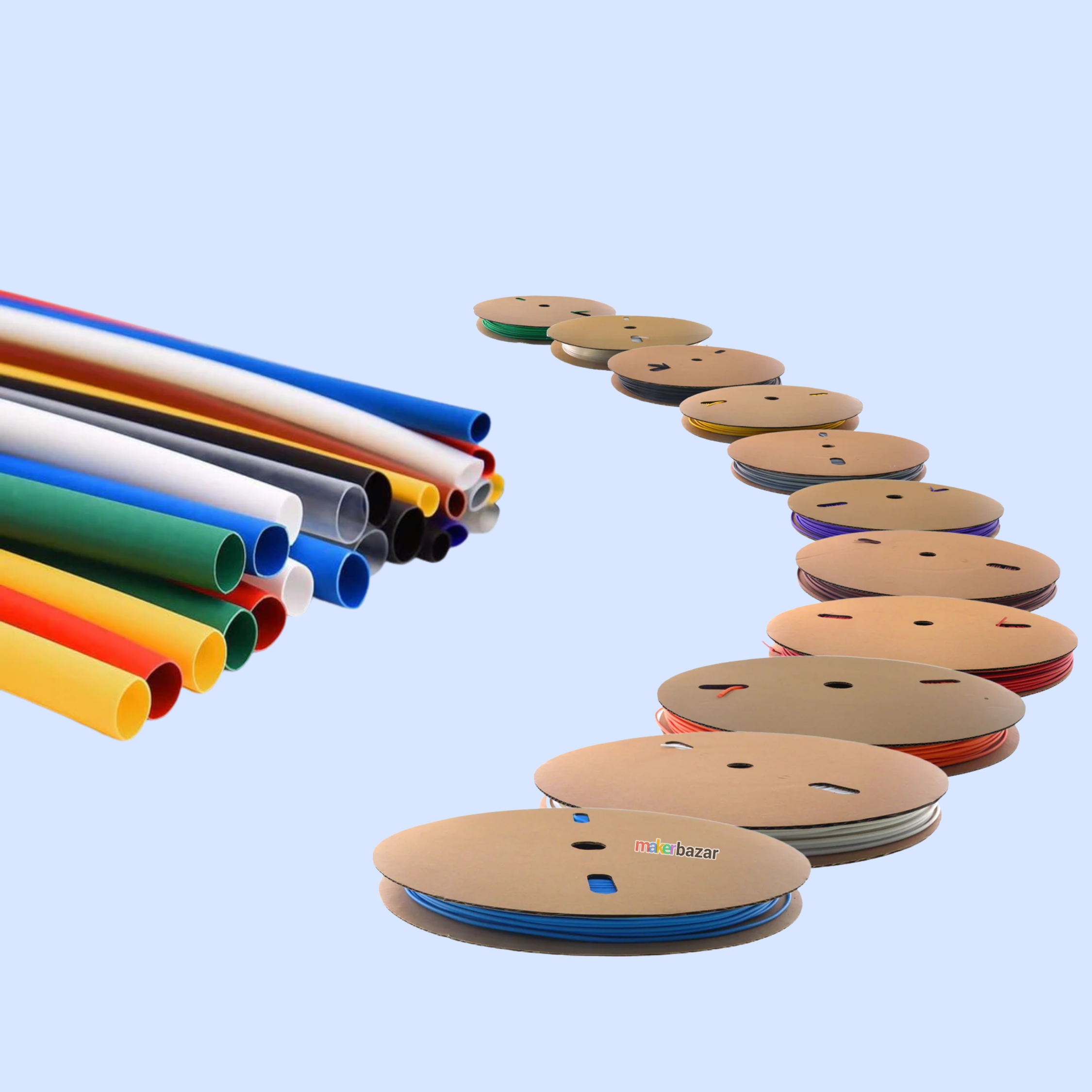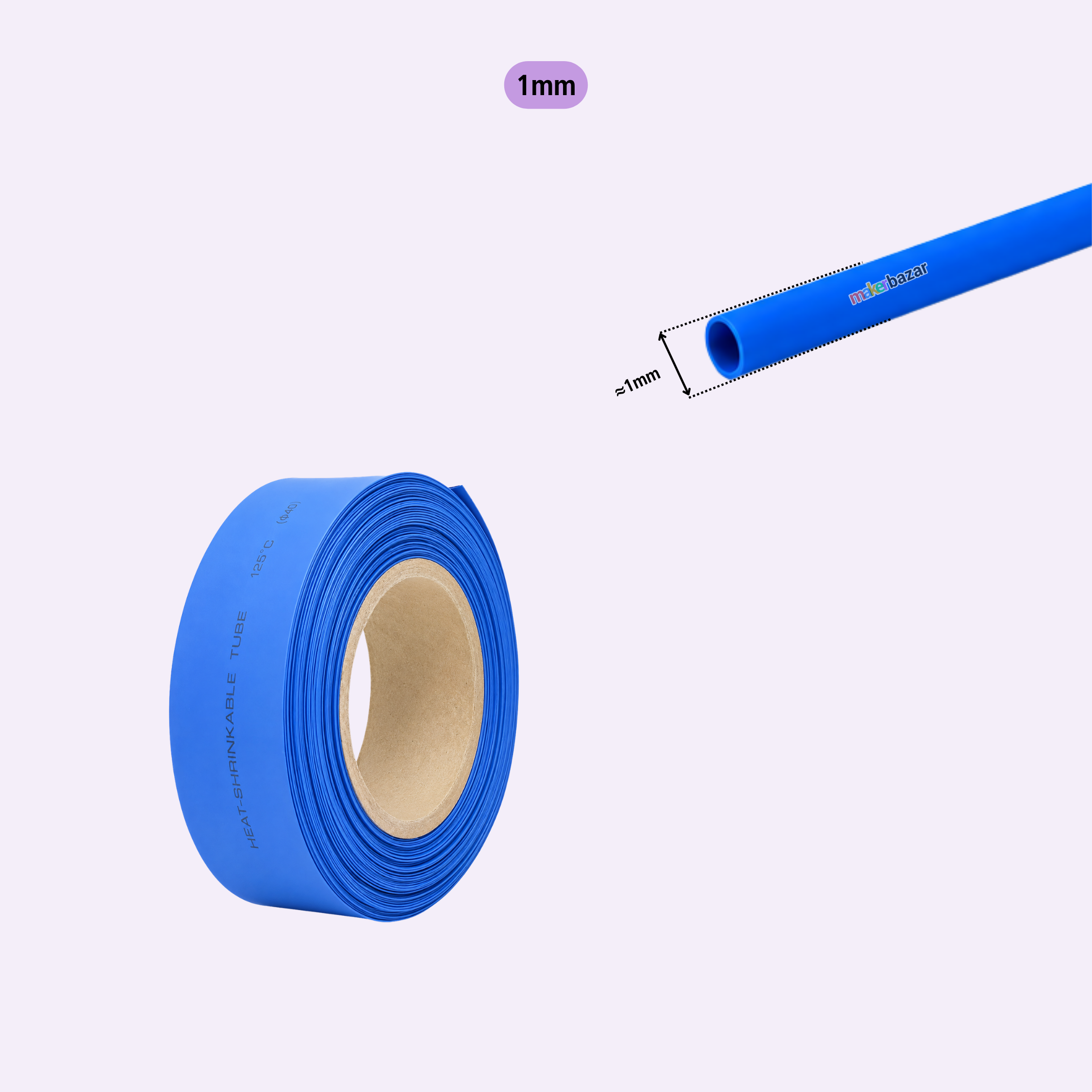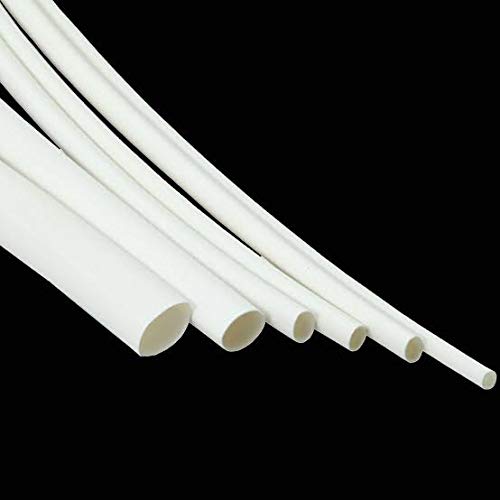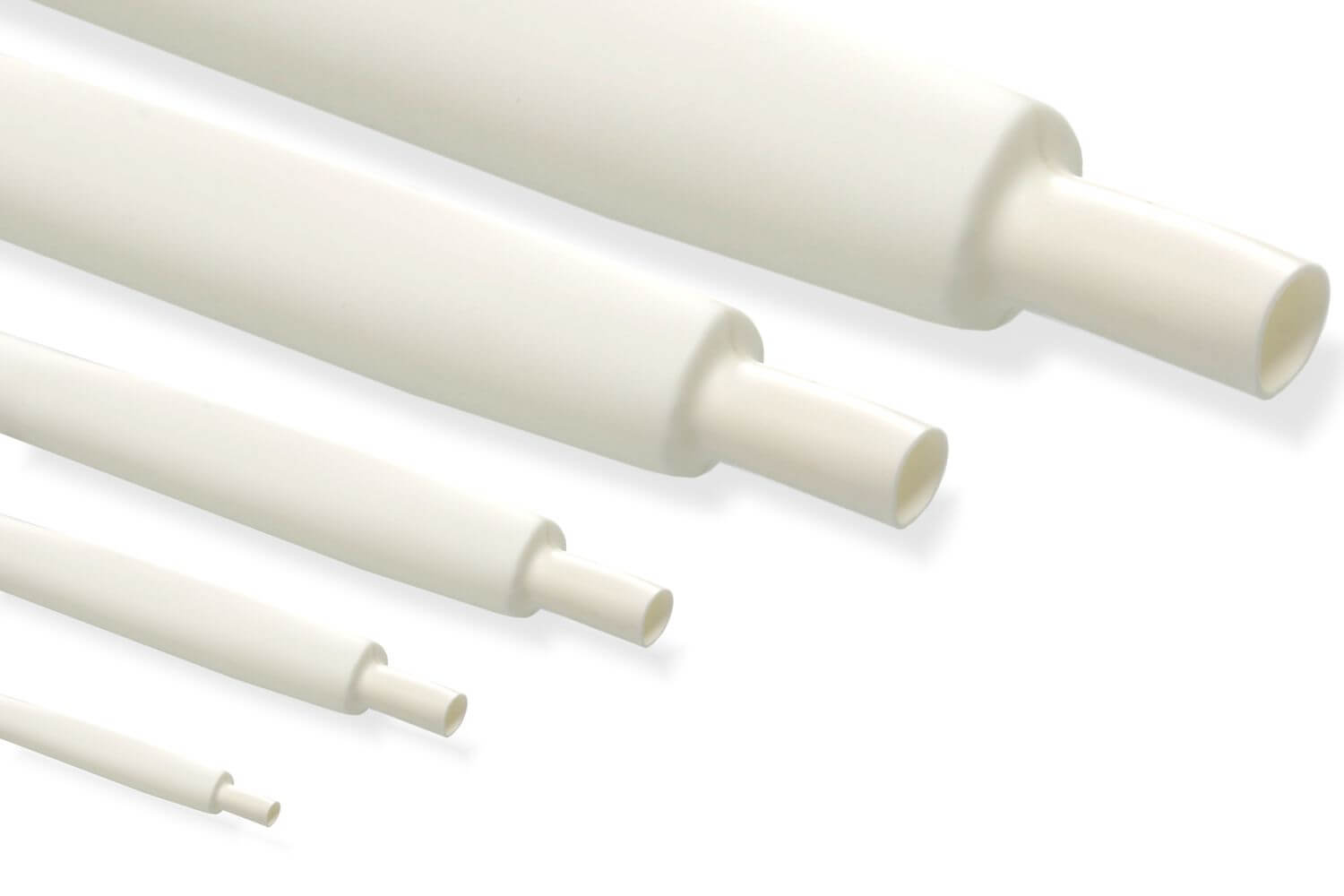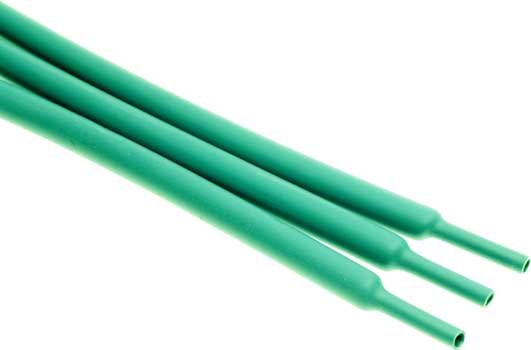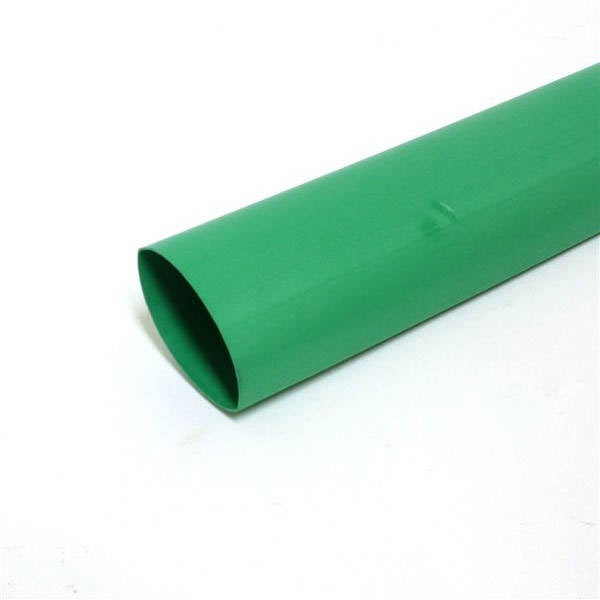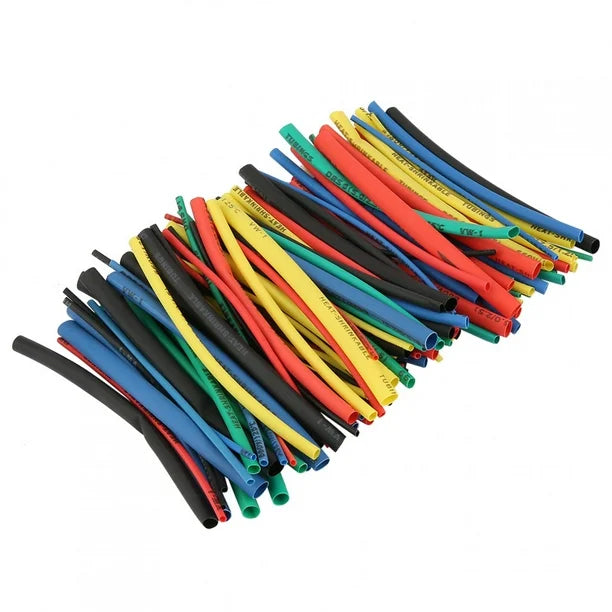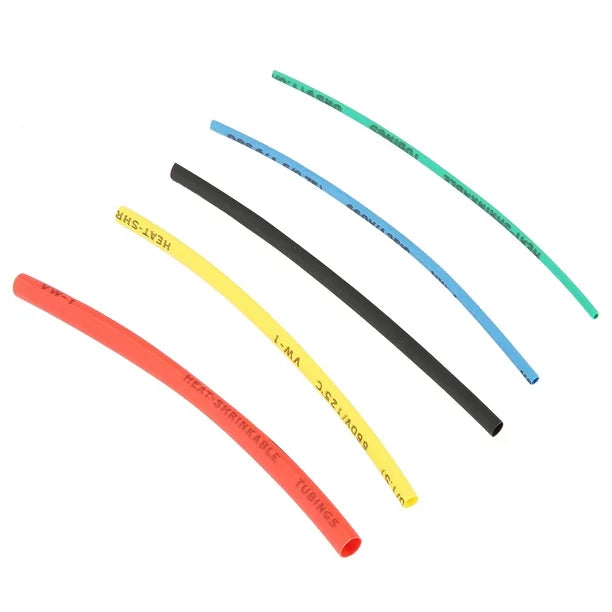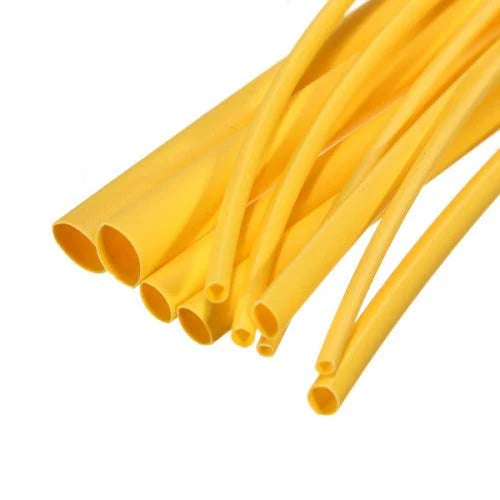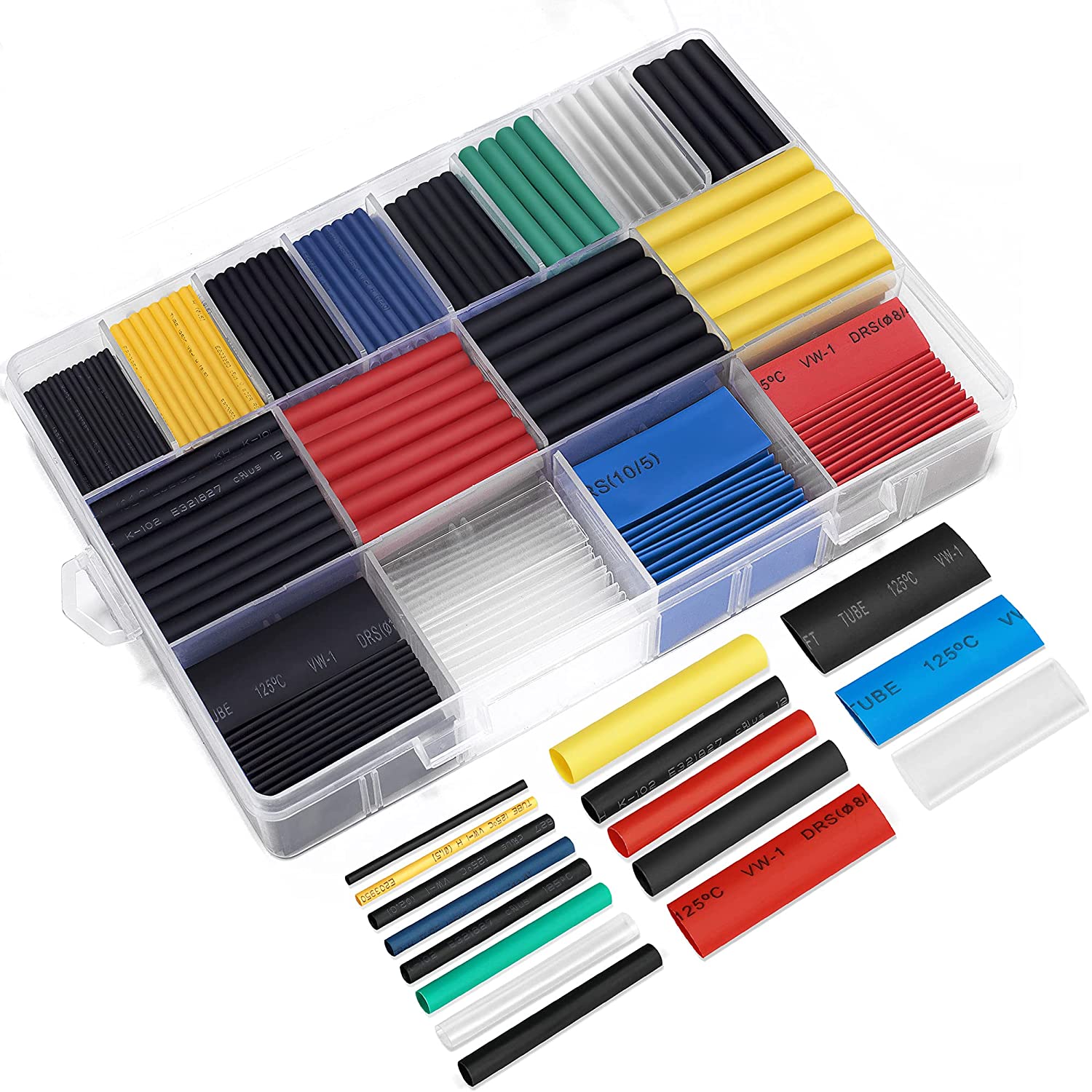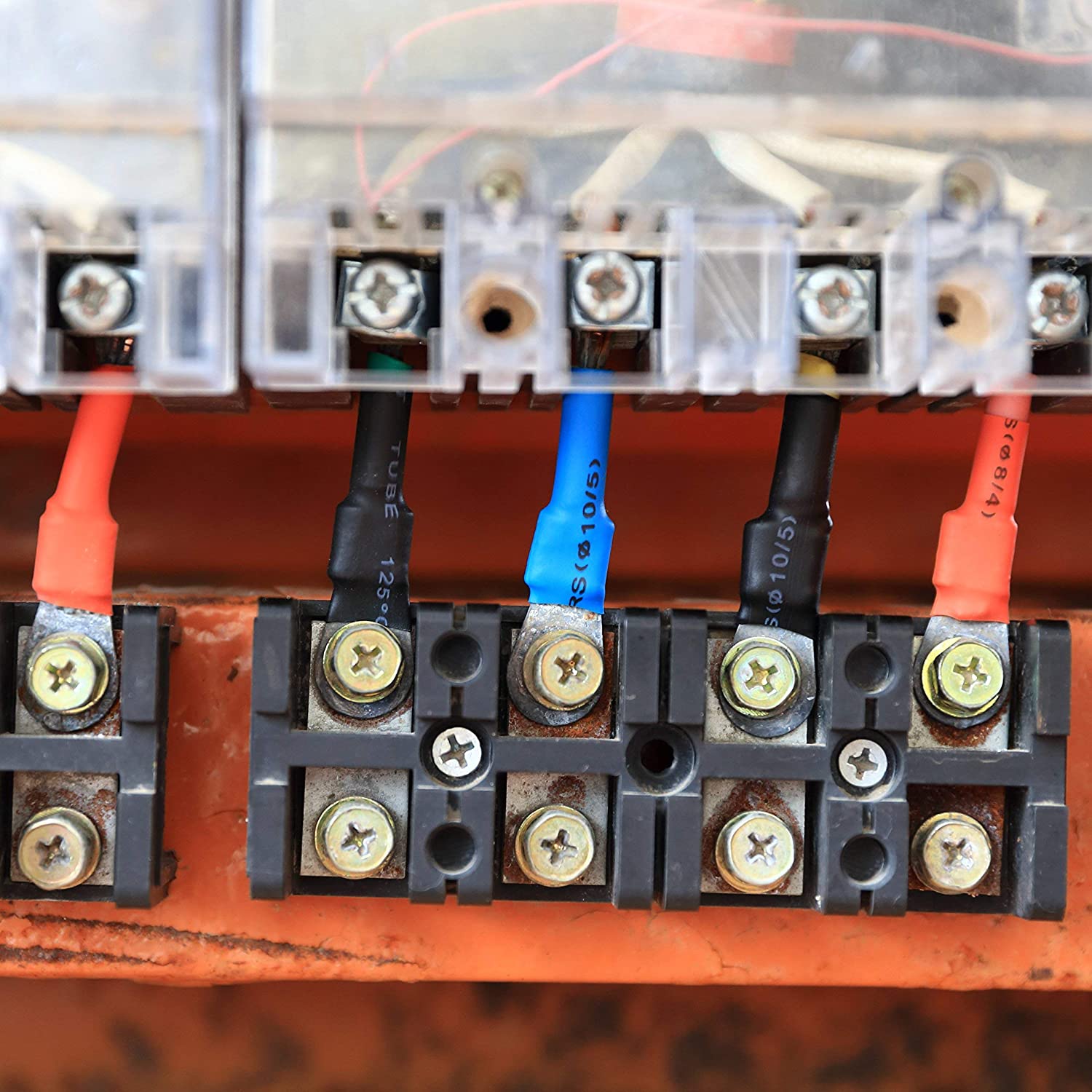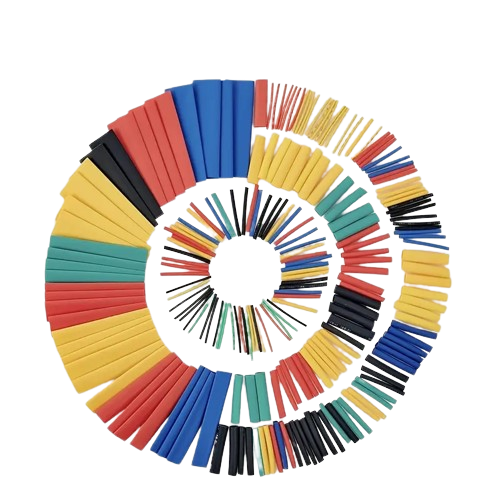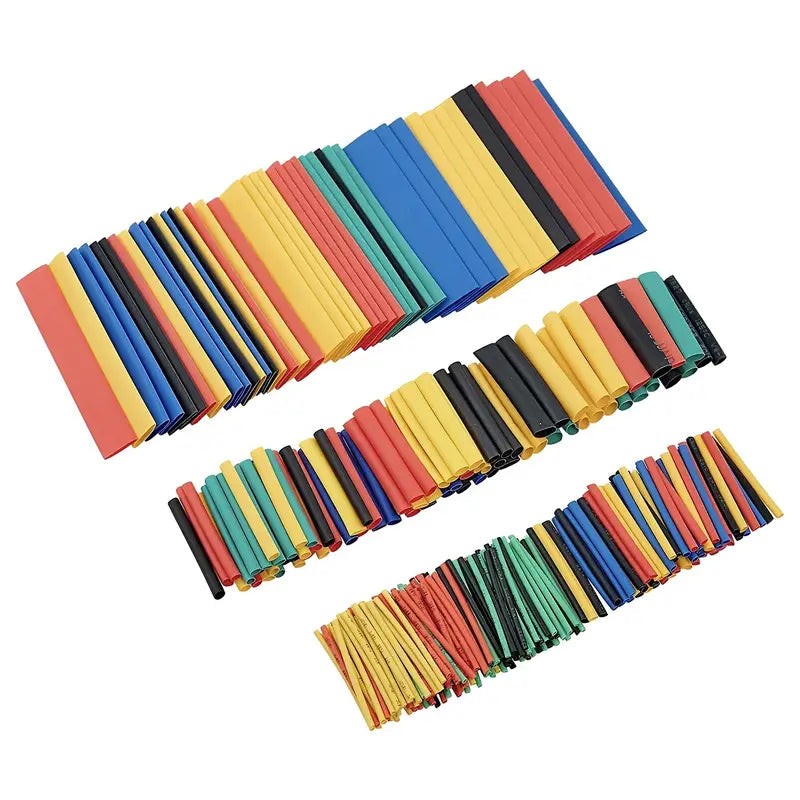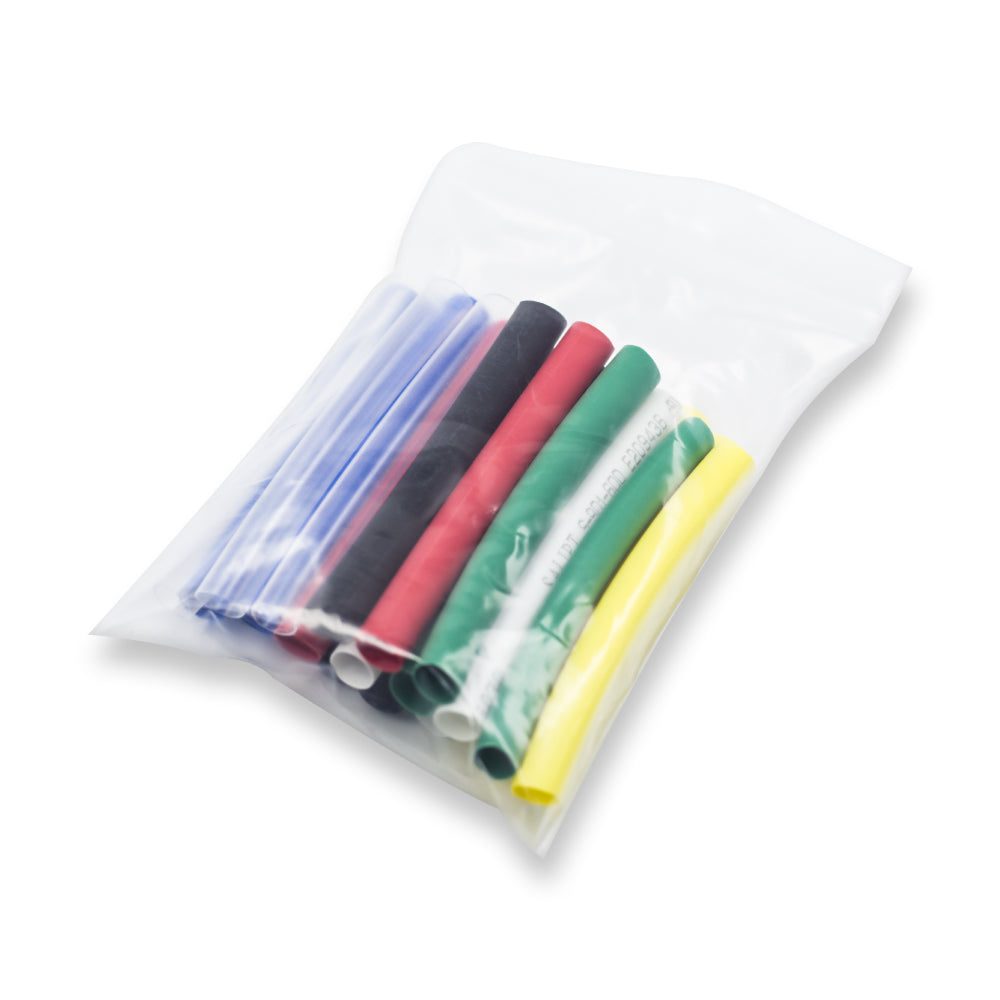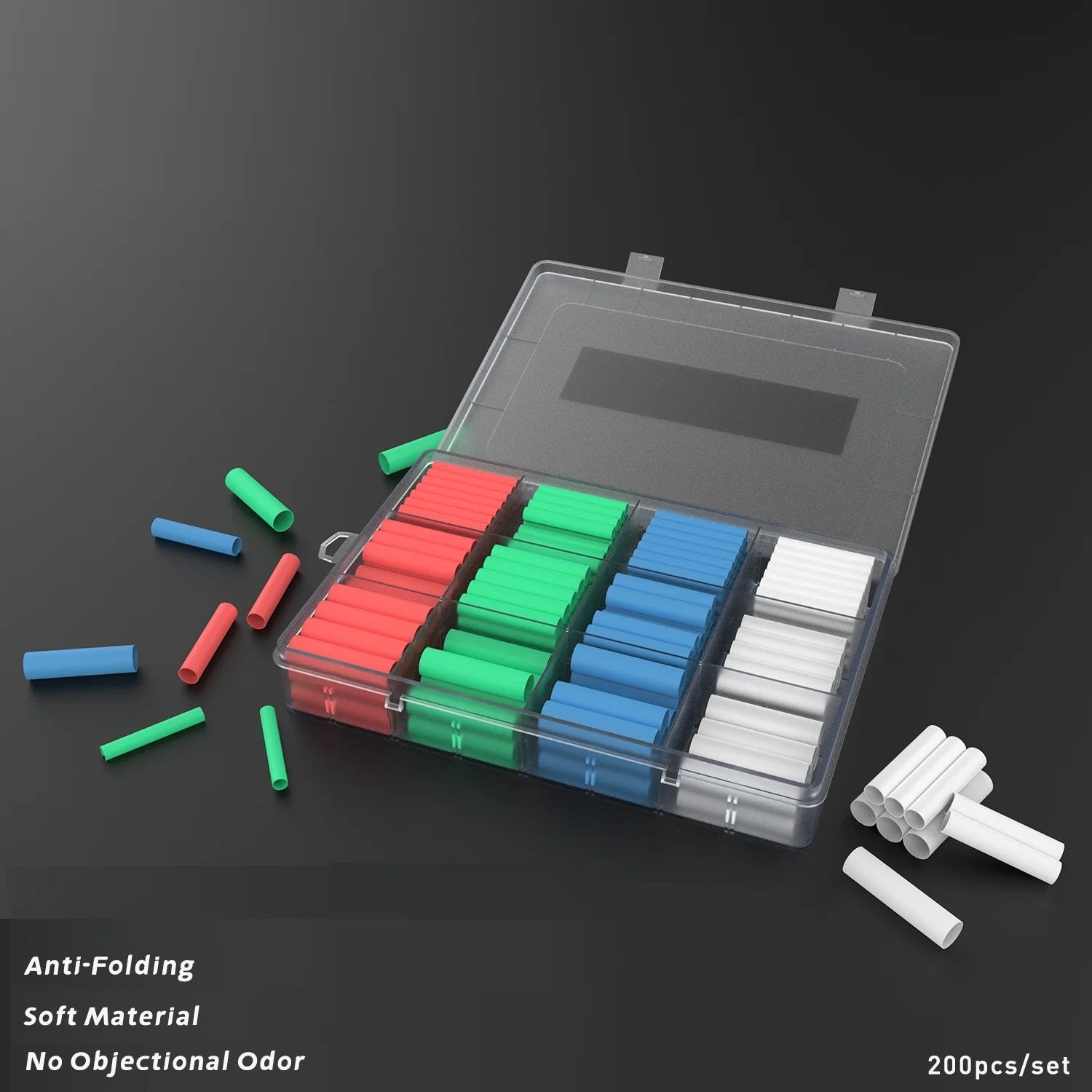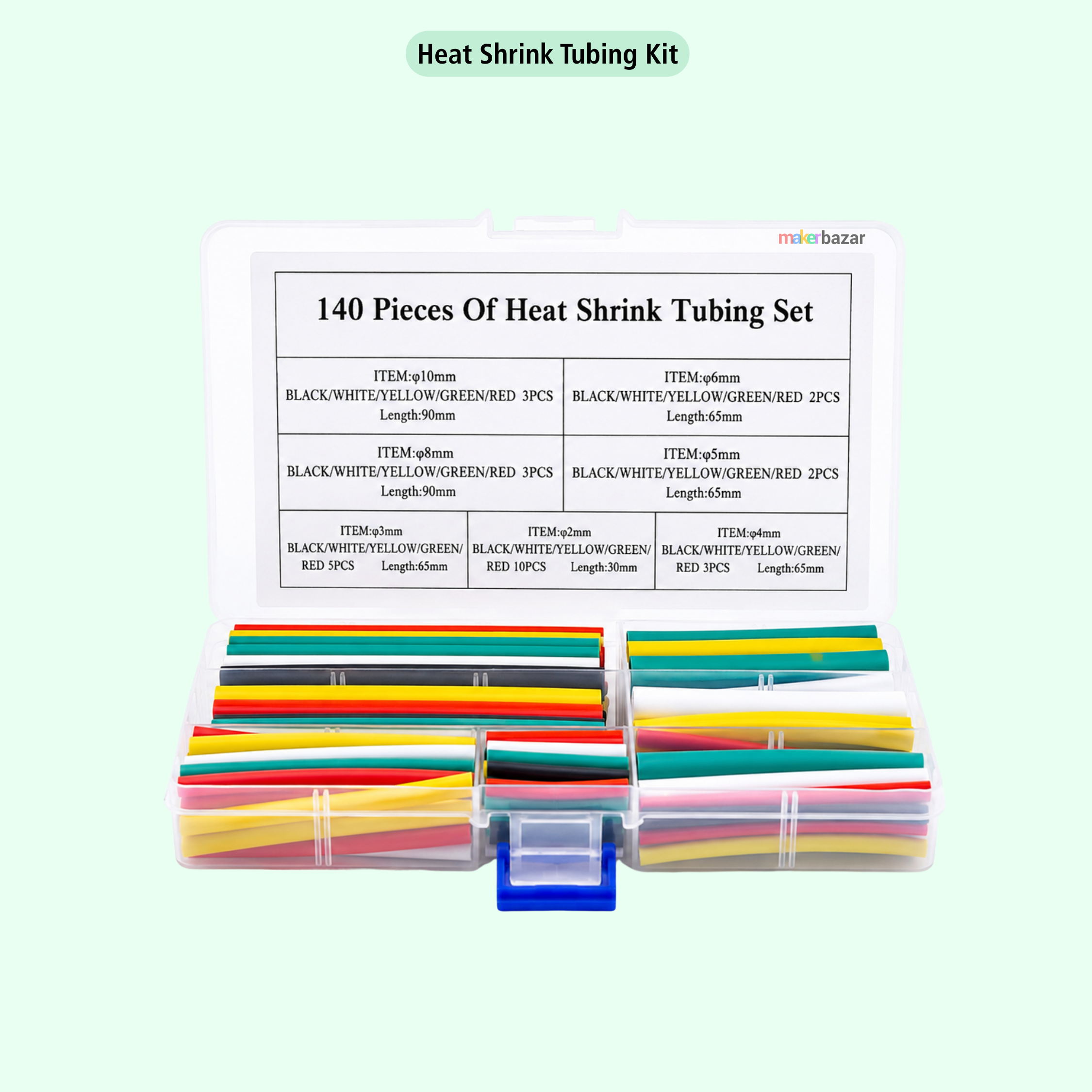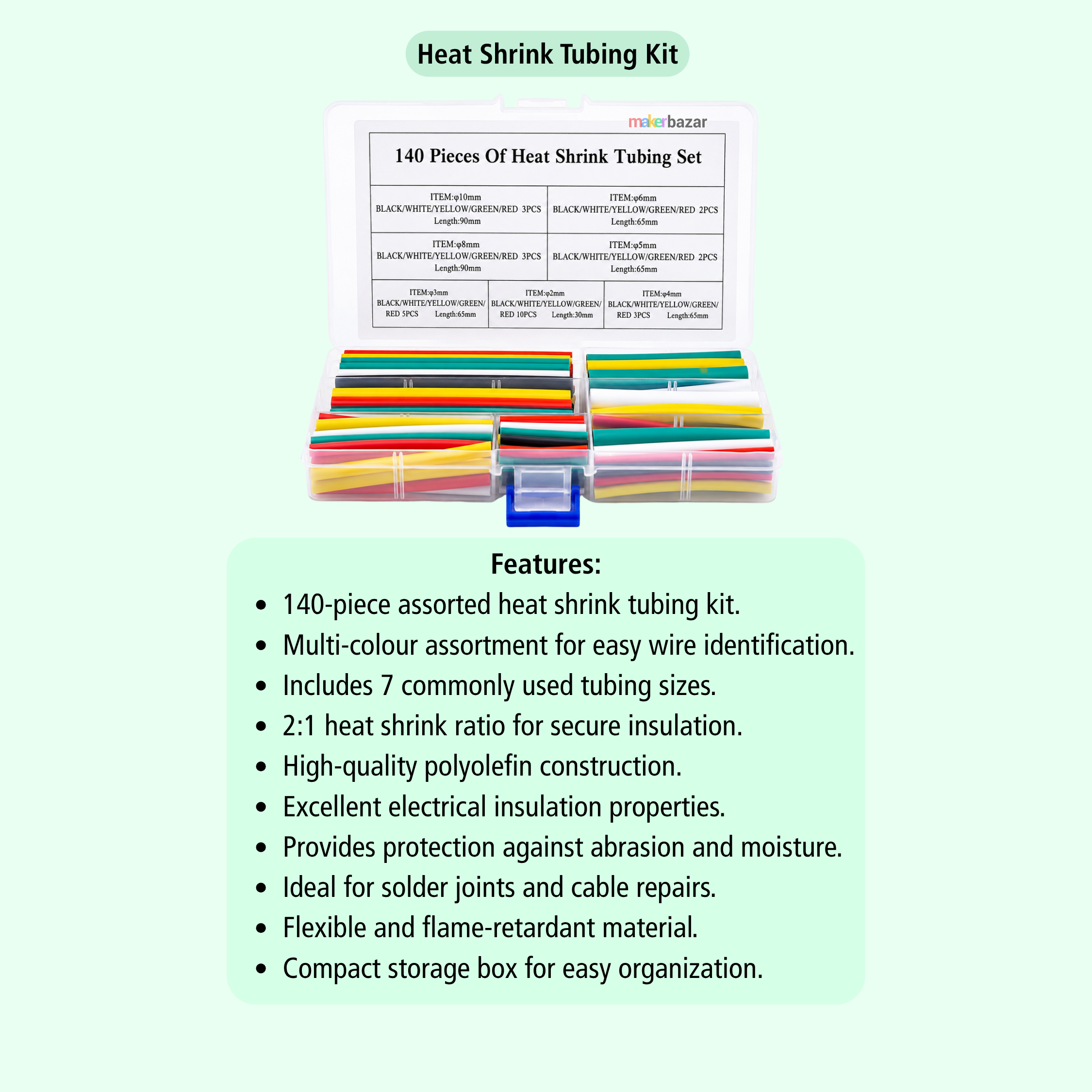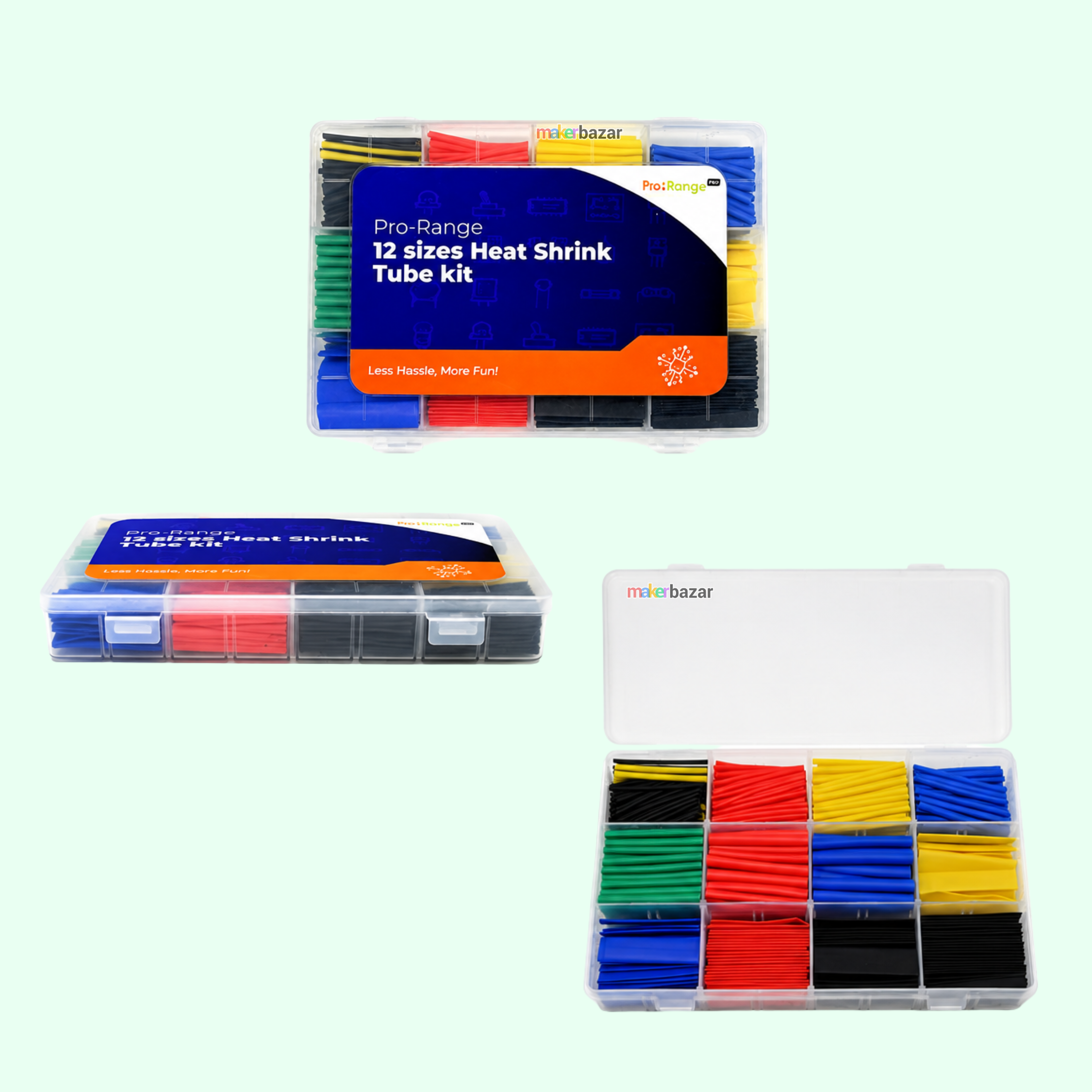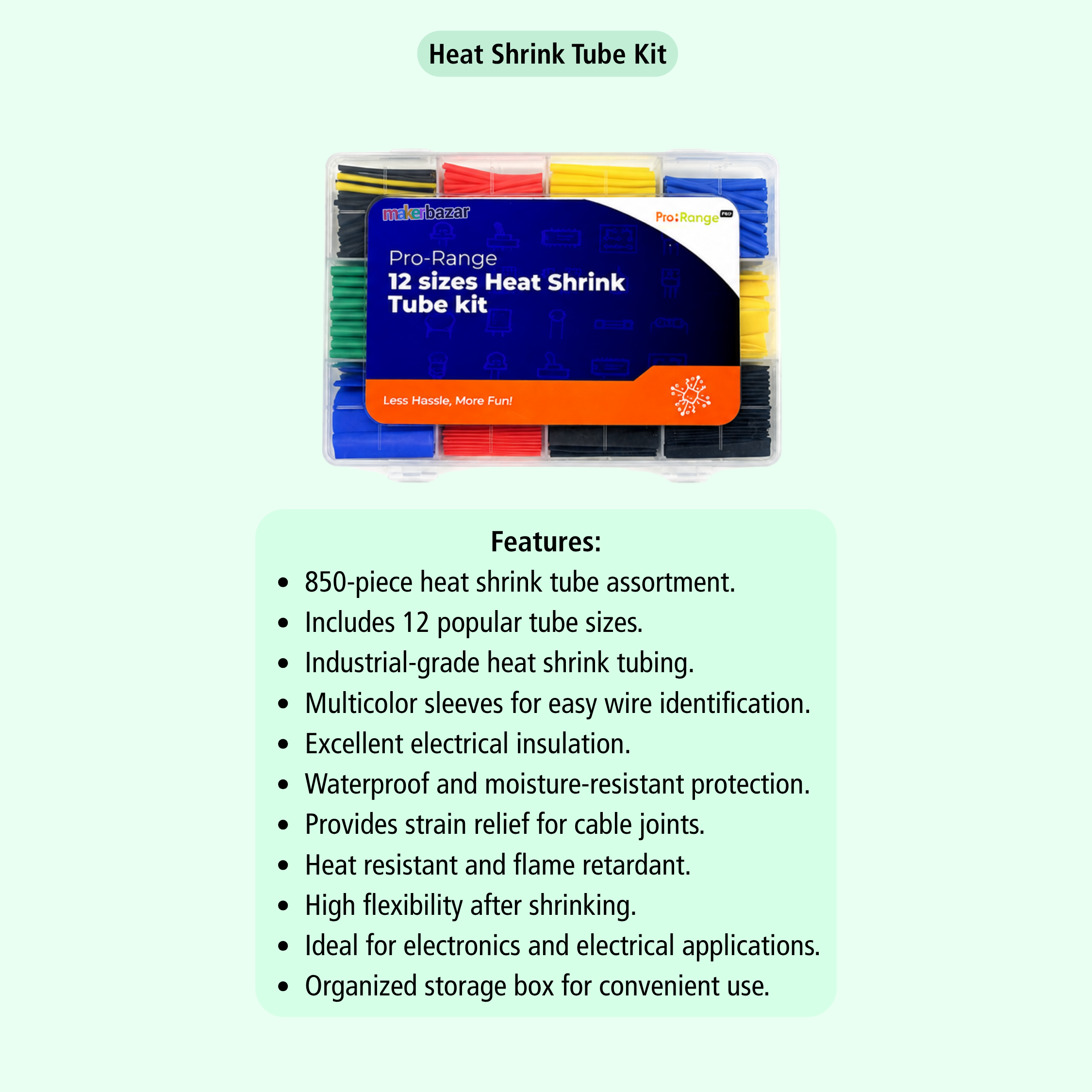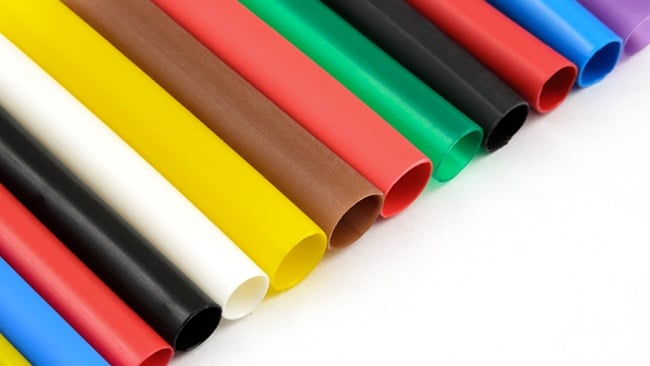
A heat shrink sleeve tube, often simply referred to as heat shrink tubing or heat shrink, is a cylindrical piece of polymer material that shrinks in size when exposed to heat. It's commonly used in various industries and applications for protection, insulation, and organization purposes. The primary material used in heat shrink tubing is usually cross-linked polyolefin, although other materials like PVC (polyvinyl chloride), fluoropolymers, and elastomers are also used based on specific requirements.
Here's how heat shrink tubing works and where it's commonly used:
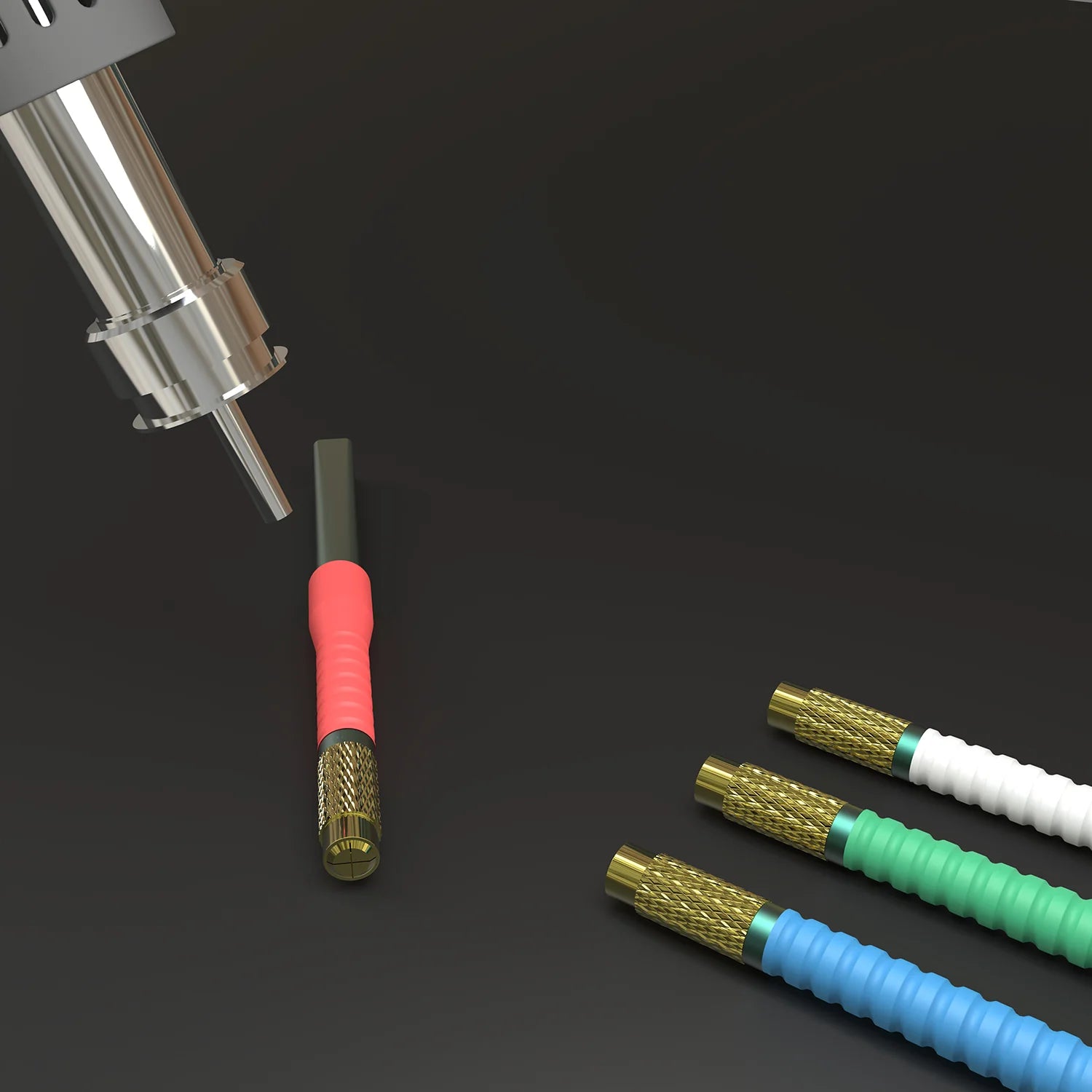
Working Principle: Heat shrink tubing is designed to shrink in diameter when heat is applied to it. This process is facilitated by the cross-linked molecular structure of the polymer material. When heat is applied, the molecular chains within the tubing start to contract, causing the tubing to shrink in size. This allows the tubing to conform tightly around whatever it's covering or protecting.
Common Uses:
-
Electrical Insulation: Heat shrink tubing is widely used in electrical and electronics applications for insulating and protecting exposed wires and connections. It helps prevent short circuits, moisture damage, and abrasion.
-
Cable Management: It's used to bundle and organize cables, providing a neat and protected appearance. This is often seen in home theaters, offices, and data centers.
-
Mechanical Protection: Heat shrink tubing is used to protect components like connectors, solder joints, and terminals from physical damage, chemicals, and environmental elements.
-
Color Coding: Different colors of heat shrink tubing can be used to color code wires, cables, or components for easy identification and troubleshooting.
-
Waterproofing: Heat shrink tubing with adhesive lining can create a waterproof seal around connectors and splices, making it suitable for outdoor and marine applications.
-
Medical and Automotive Applications: Heat shrink tubing is used in medical devices for insulating and protecting sensitive components. In the automotive industry, it's used for covering exposed wires and splices.
-
Aerospace and Military: These industries use heat shrink tubing for its protective and insulating properties in critical applications.
Application Process:
-
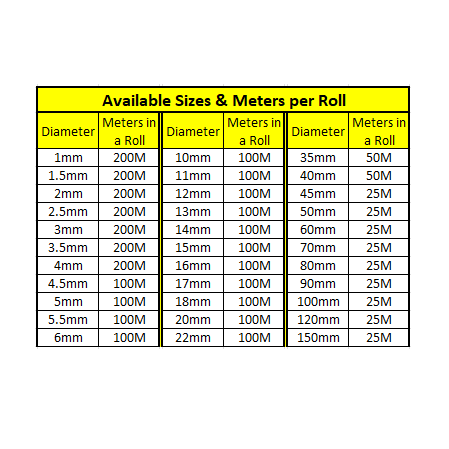
Select the appropriate size of heat shrink tubing that will fit snugly over the component or area you want to cover.
-
Slide the tubing onto the component or wire.
-
Use a heat source, such as a heat gun or an oven, to apply heat evenly to the tubing. As the heat is applied, the tubing will shrink and conform to the shape of the component.
-
Ensure that the tubing has fully shrunk and adhered to the surface before letting it cool down.
It's important to follow the manufacturer's recommendations for heat levels, shrink ratios, and other application instructions to achieve the desired results without damaging the tubing or the components it's protecting.